
Car Diagnostic Service in Los Angeles: Complete Guide to Cost, Process & Why It Matters
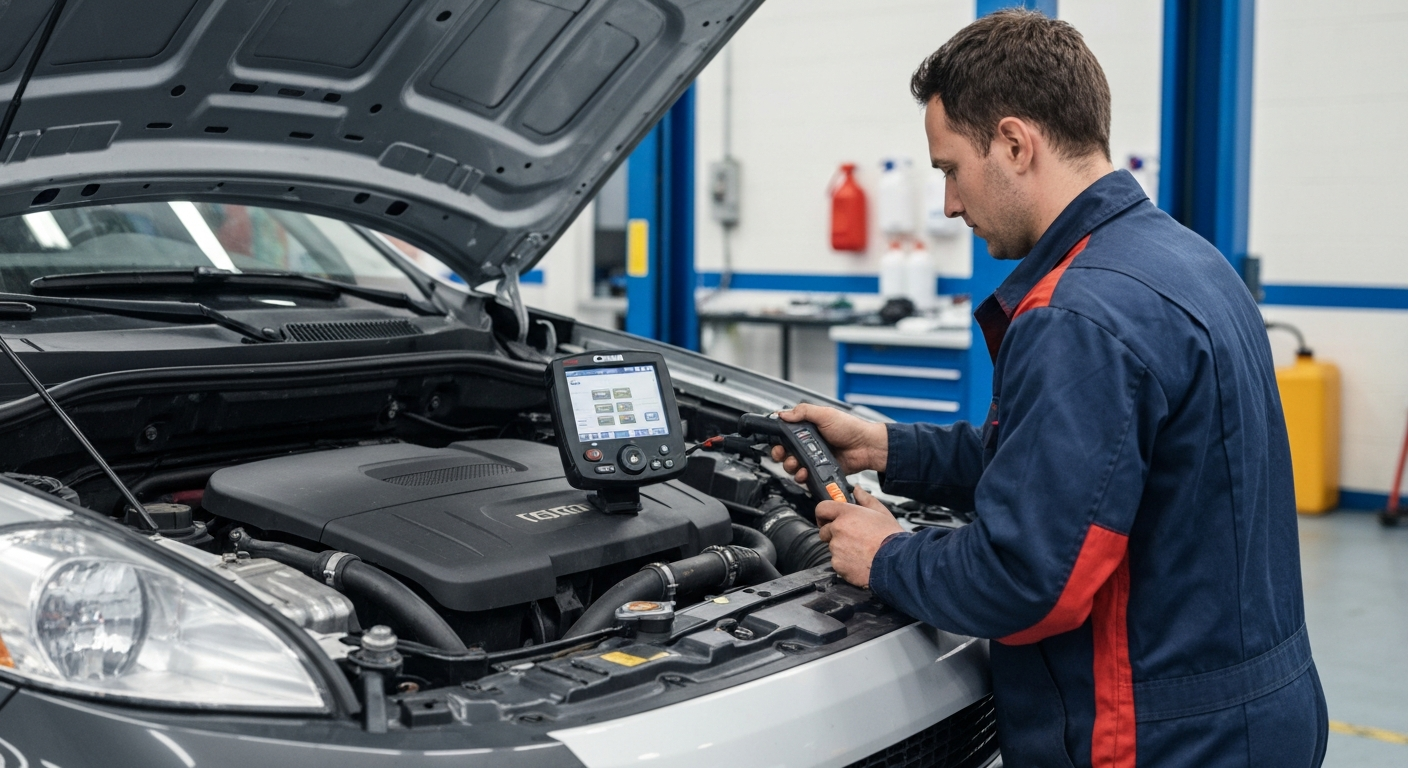
Is your check engine light on? Has your car been running roughly, making strange noises, or losing performance? If you’ve noticed any of these warning signs, you need professional car diagnostics. A comprehensive diagnostic service can identify hidden problems before they become expensive repairs, saving you hundreds or even thousands of dollars. At Hyperion Auto Repair, we offer free multi-point inspections and professional diagnostic services using state-of-the-art equipment and ASE-certified technicians who know exactly what to look for.
What Is a Car Diagnostic Test?
A car diagnostic test is a systematic evaluation of your vehicle’s onboard computer systems to identify problems. Most modern vehicles (1996 and newer) are equipped with an On-Board Diagnostic (OBD-II) system that monitors engine performance, emissions, and hundreds of vehicle components continuously. When something isn’t working correctly, the system stores a diagnostic trouble code (DTC) and illuminates your check engine light.
A diagnostic test reads these fault codes using a specialized scanning tool connected to your vehicle’s OBD-II port. But modern diagnostics go far beyond just reading codes. Professional mechanics like those at Hyperion use advanced diagnostic equipment to test multiple vehicle systems including the engine, transmission, ABS (anti-lock braking) system, airbags, suspension, electrical systems, and more. This comprehensive approach helps identify the root cause of problems rather than just treating symptoms.
There are three levels of diagnostic testing: basic OBD-II scans that read standard fault codes, advanced diagnostics that analyze deeper systems and live data, and specialist diagnostics for complex issues like transmission problems or airbag system failures.
How Much Does Car Diagnostic Cost in Los Angeles?
According to 2026 Airtasker data, the average car diagnostic cost in Los Angeles ranges from $110 to $170, compared to the national average of $100 to $150. The wide range depends on the type of diagnostic test you need, your vehicle’s technology level, the tools required, and how long the diagnosis takes.
Here’s a breakdown of typical costs by diagnostic type:
- Basic OBD-II Scan: $80–$120 (reads fault codes from your vehicle’s computer)
- Advanced Diagnostics: $100–$150 (checks deeper systems like engine, transmission, and electrical components)
- Specialist Diagnostics: $150–$250+ (tests specific systems like ABS, airbags, ECU programming, or hybrid/electric vehicle systems)
Many repair shops, including Hyperion Auto Repair, offer free basic diagnostics as part of the service process. If you choose to have repairs performed at the same shop, the diagnostic fee may be waived or applied toward the cost of repairs.
Factors That Affect Diagnostic Cost
1. Diagnostic Test Type
The level of complexity required dramatically impacts price. A simple OBD-II scan is quick and affordable—it might take 15 minutes and reveal a straightforward problem like a loose gas cap. An advanced diagnostic that tests transmission systems, ABS, airbags, and powertrain components requires more sophisticated equipment and expertise, often taking 1-2 hours. Specialist diagnostics for unusual faults, electrical gremlins, or system programming can take 4+ hours and cost significantly more.
2. Vehicle Type and Technology
Your vehicle’s year, make, model, and technology level affects diagnostic costs. A standard 2015 Honda Civic might cost $110 to diagnose, while a luxury European SUV or electric vehicle might run $160-$180 because they require brand-specific diagnostic software and advanced expertise. Hybrid vehicles, electric vehicles (EVs), and luxury brands like BMW, Mercedes, and Audi often require specialized knowledge and tools that command premium diagnostic fees.
3. Required Diagnostic Tools and Software
Professional repair shops invest in diagnostic equipment ranging from basic OBD-II scanners ($200) to professional-grade diagnostic systems ($3,000-$10,000+) that access live vehicle data and can reprogram certain modules. Manufacturer-specific tools for brands like Porsche, Tesla, or BMW diagnostic software cost thousands. These investments are reflected in your diagnostic fees, but they ensure accurate diagnosis the first time.
4. Complexity and Time Required
The time your mechanic spends diagnosing your vehicle directly impacts cost. A simple problem with a clear fault code might take 30 minutes. A complex intermittent fault that requires extended road testing, multiple sensor checks, and data analysis could take 3-4 hours. Labor rates in Los Angeles typically range from $85-$125 per hour for independent shops like Hyperion.
The Car Diagnostic Process at Hyperion Auto Repair
At Hyperion Auto Repair, our ASE-certified technicians follow a systematic diagnostic process designed to identify problems accurately and efficiently:
Step 1: Initial Assessment and Code Reading
When you bring your vehicle in, we connect a professional OBD-II diagnostic scanner to your vehicle’s port and download all stored and pending fault codes. We also check for permanent diagnostic trouble codes (PDTCs) that indicate recurring problems. This gives us an initial roadmap of what systems need attention.
Step 2: In-Depth System Analysis
Simply reading codes isn’t enough—the codes point us to affected systems, but we need to determine the root cause. Our technicians perform visual inspections of the suspect systems, check wiring and connections, test sensors and components with multimeters, monitor live data from your vehicle’s computer, and perform system-specific tests. For example, if we see an engine fault code, we’ll check ignition coils, fuel injectors, oxygen sensors, and compression before drawing conclusions.
Step 3: Diagnosis and Recommendations
After thorough testing, we provide you with a detailed written report explaining what we found, why it’s a problem, what repair options exist, and estimated costs. Many problems have multiple repair paths (replacing a component versus repairing it), and we explain the pros and cons of each approach. Our goal is to give you the information you need to make the best decision for your vehicle and budget.
Common Warning Signs Your Car Needs Diagnostics
These warning signs indicate your vehicle needs professional diagnostic testing:
- Check Engine Light (Flashing or Steady): A flashing light means active misfires—stop driving immediately. A steady light indicates stored fault codes requiring diagnostics.
- Engine Knocking or Pinging: Unusual engine noises often indicate timing issues, fuel quality problems, or knock sensor faults.
- Rough Idle or Stalling: Inconsistent idle speed or engine stalling at stops suggests ignition system, fuel system, or intake problems.
- Poor Performance or Loss of Power: Sluggish acceleration, reduced fuel economy, or lack of responsiveness often point to sensor or emissions system issues.
- Transmission Warning or Shifting Problems: Hard shifts, slipping, or delayed engagement require transmission system diagnostics.
- ABS or Brake Warning Lights: These lights indicate brake system component failures that need immediate attention.
- Unusual Sounds or Vibrations: Grinding, squealing, rattling, or vibrations can indicate suspension, bearing, or drivetrain problems.
- Emission Test Failures: California residents need to pass smog checks; failed emissions tests require diagnostic investigation.
- Battery or Electrical Issues: Dimming lights, weak starting, or intermittent electrical failures may indicate charging system or battery problems.
Why Choose Professional ASE-Certified Diagnostics?
You might be tempted to use an inexpensive code reader from an auto parts store or skip diagnostics altogether. Here’s why professional ASE-certified diagnostics matter:
Expertise and Accuracy: ASE-certified technicians have passed rigorous certification exams demonstrating their knowledge of vehicle systems. They can interpret fault codes in context, understand how different systems interact, and identify root causes rather than just symptoms. When a code appears, it doesn’t always mean that exact component failed—a skilled technician knows the probable causes and tests systematically to find the truth.
Advanced Equipment: Professional diagnostic systems access live data from your vehicle’s computer, monitor sensor readings in real-time, and can even reprogram certain modules. These tools cost thousands and reveal problems that basic code readers can’t detect.
Faster Diagnosis Saves Money: Professional diagnostics might cost $100-$170, but accurate diagnosis prevents costly trial-and-error repairs. Shops that replace parts based on guessing often waste thousands on unnecessary work. Professional diagnostics get to the root cause quickly.
Warranty Protection: Hyperion Auto Repair stands behind our diagnostic and repair work with a comprehensive warranty. If a problem recurs after we’ve diagnosed and repaired it, we make it right—you have peace of mind.
Additional Services: When you choose Hyperion, you get our free multi-point inspection with every visit, identifying other potential problems before they become major expenses.
Diagnostic Service vs. Repair: What’s the Difference?
Many customers ask: “Why do I have to pay for a diagnostic if I’m having the repair done?” Here’s the important distinction:
Diagnostics identify what’s wrong. Your mechanic uses equipment, knowledge, and time to find the problem.
Repairs fix the problem. Once we know what’s wrong, we order parts and labor to replace, repair, or adjust the faulty component.
These are separate services because you might need diagnostics without repairs (the light came on but the issue is intermittent), or you might want a second opinion on a diagnosis before authorizing expensive repairs. Hyperion often waives the diagnostic fee if you approve repairs with us, but we charge if you’re just seeking a diagnosis to take elsewhere. This protects our investment in your vehicle’s care.
What to Expect When You Visit Hyperion Auto Repair
Located at 1845 Hyperion Avenue in Los Angeles, Hyperion Auto Repair has been serving the community since 1985. When you bring your vehicle in for diagnostics, here’s what happens:
Free Multi-Point Inspection: We begin every visit with our free multi-point inspection, checking brakes, fluids, belts, hoses, lights, and other critical systems. This catches problems early before they become expensive.
Professional Diagnostic Testing: Our ASE-certified technicians connect professional diagnostic equipment and perform the thorough testing needed to identify your vehicle’s issues.
Detailed Report: You receive a written explanation of all findings, repair recommendations, and pricing. We explain options so you can make informed decisions.
Warranty on All Repairs: If you approve repairs, everything is covered by our comprehensive warranty. If something goes wrong, we fix it at no additional cost.
Transparent Pricing: No surprises. You know exactly what work is needed and what it will cost before we begin repairs.
Call us at (323) 667-3180 to schedule your diagnostic appointment, or visit us in person. We look forward to earning your trust.
FAQ: Car Diagnostic Questions Answered
Can you get a car diagnostic test for free?
Many shops, including Hyperion Auto Repair, offer complimentary basic diagnostics if you’re having repairs performed. Some shops offer free basic code reading for new customers. If you’re seeking a diagnosis for a second opinion or to take to another shop, expect to pay $80-$170 depending on the complexity. However, Hyperion often applies the diagnostic fee toward repairs if you proceed with us.
How long does a car diagnostic test take?
A basic OBD-II scan takes 15-30 minutes. An advanced diagnostic checking multiple systems typically takes 1-2 hours. Complex diagnostics involving road testing, multiple sensor checks, or intermittent faults can take 3-4 hours. Your technician will give you a time estimate after the initial assessment.
Can a car diagnostic test be wrong?
While professional diagnostic equipment is highly accurate, misdiagnoses can occur due to improper equipment use, multiple faults masking the root problem, or complex electrical interactions. This is why choosing an experienced, ASE-certified technician matters. Our expertise helps ensure accurate diagnosis the first time. If you’re ever unsure about a diagnosis, you can always seek a second opinion.
How often should you get a car diagnostic test?
If your check engine light is on, get diagnostics immediately. For preventive maintenance, annual diagnostics are a smart investment to catch problems early and avoid expensive repairs. California residents performing smog check inspections will get diagnostic testing as part of that process.
What’s the difference between OBD-II and advanced diagnostics?
OBD-II is the basic standard for fault code reading installed in all 1996 and newer vehicles. Advanced diagnostics use professional-grade equipment to access deeper systems, monitor real-time data, and test components beyond what basic code readers can access. If simple code reading doesn’t reveal your problem, advanced diagnostics are the next step.
Related Services at Hyperion Auto Repair
Diagnostic testing often reveals problems requiring specialized repair. Once we’ve identified what’s wrong, we can help with comprehensive repairs:
- Check engine light causes are identified and resolved through our diagnostic process
- Transmission diagnostics and service address complex transmission codes
- Brake system diagnosis interprets ABS and brake warning codes
- Battery diagnostic testing checks charging and electrical systems
- Professional engine repair addresses engine diagnostic findings
Conclusion: Early Diagnosis Saves Money
A diagnostic test might seem like an additional expense, but it’s actually an investment that saves money. Accurate diagnosis prevents costly trial-and-error repairs. At Hyperion Auto Repair, we combine professional diagnostic equipment with ASE-certified expertise and our family commitment to honest, transparent service. We’ve been serving Los Angeles since 1985 because we do the right thing for our customers’ vehicles.
If your check engine light is on, you’ve noticed strange performance, or you just want a comprehensive vehicle health check, contact Hyperion Auto Repair today. Call us at (323) 667-3180 or visit 1845 Hyperion Avenue in Los Angeles. Let our professional diagnostics identify problems early and keep your vehicle running safely and efficiently.
Professional Auto Care You Can Trust.