
Transmission Repair Near Me in Los Angeles: Complete Guide to Warning Signs, Costs & Professional Solutions
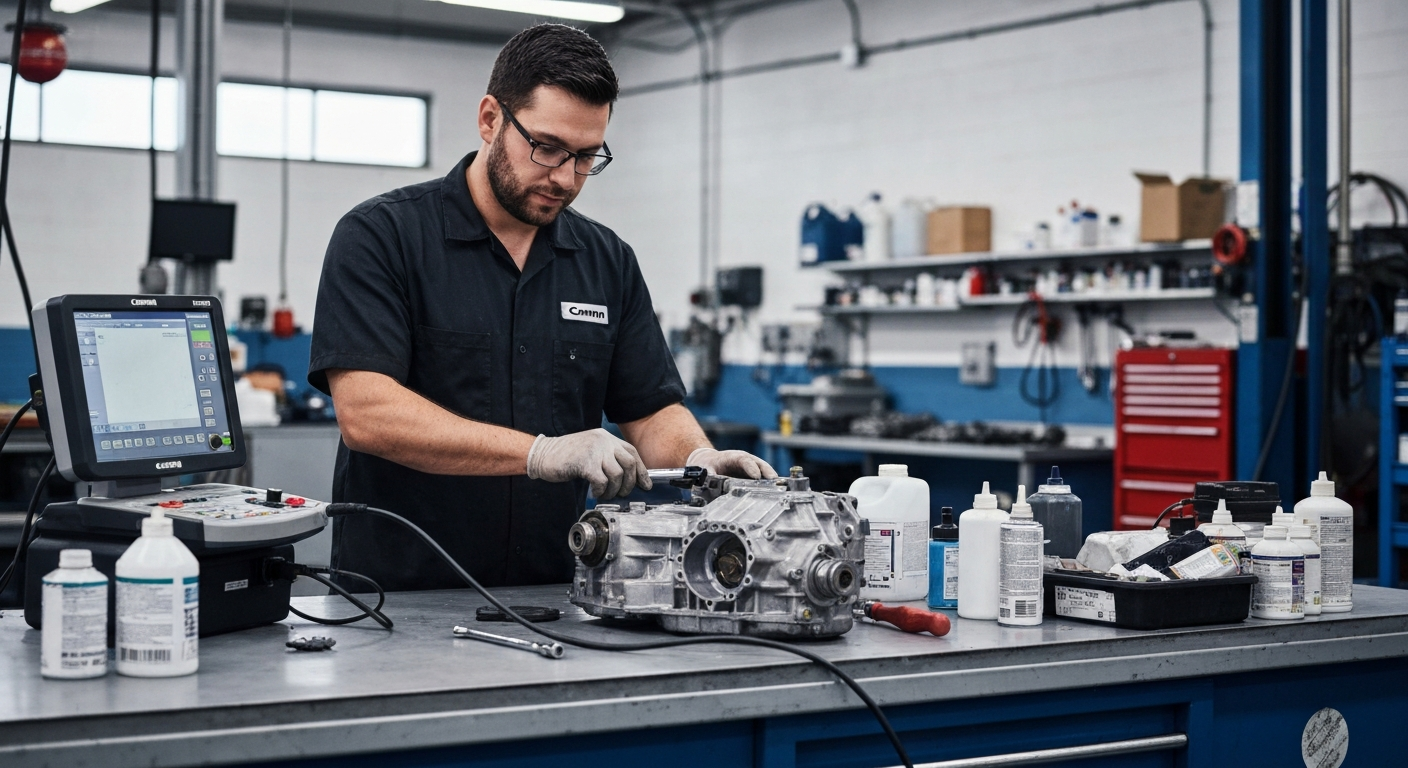
Your vehicle’s transmission is one of the most complex and critical systems on the road. This sophisticated assembly of gears, fluid passages, and hydraulic components is responsible for transferring engine power to your wheels while allowing your engine to operate at optimal RPMs across varying speeds. When transmission problems develop, ignoring them can lead to complete system failure, leaving you stranded and facing repair bills exceeding $5,000.
Los Angeles drivers face unique challenges that put extra stress on transmission systems. The combination of notorious traffic congestion, frequent stop-and-go driving, steep elevation changes in surrounding hills, and summer heat creates an environment where transmission fluid reaches higher temperatures than in many other regions. If you’re noticing symptoms like delayed shifting, unusual noises, or fluid leaks, professional transmission service becomes essential.
This comprehensive guide will help you understand transmission problems, recognize warning signs, and make informed decisions about repair options. At Hyperion Auto Repair, our ASE-certified technicians specialize in transmission service for all vehicle types, offering free multi-point inspections to diagnose your specific issues.
Warning Signs Your Transmission Needs Professional Service
Recognizing transmission problems early can save you thousands of dollars in repair costs. Here are the most common warning signs that should prompt you to seek professional diagnosis:
Delayed or Soft Shifts
When you press the accelerator, your transmission should respond with a smooth shift to the next gear within a second or two. If you notice your vehicle hesitates before shifting, or if the shift feels sluggish rather than crisp, you’re experiencing delayed shifting. This symptom often indicates low transmission fluid, worn friction bands, or failing solenoids—all issues requiring professional attention.
Slipping Gears
Transmission slipping is one of the most concerning symptoms. You’ll notice this when your RPMs suddenly rise without a corresponding increase in vehicle speed, as if your wheels momentarily lost connection to the engine. Slipping typically indicates worn friction materials inside the transmission that can no longer maintain proper grip. This symptom demands immediate professional inspection.
Unusual Noises
A healthy transmission should operate nearly silently. Listen for these warning sounds:
- Grinding noises: Often indicate worn gears or damaged internal components
- Whining or humming: May suggest a failing transmission pump or low fluid levels
- Clunking or banging: Typically point to worn motor mounts or internal damage
Transmission Fluid Leaks
Transmission fluid is distinctly different from engine oil. Healthy transmission fluid appears bright red and has a slightly sweet smell. If you notice red or pink fluid under your vehicle, you’ve identified a leak requiring immediate attention. Transmission leaks can lead to catastrophic failure within hours if the fluid level drops too low. Even small leaks should be addressed promptly.
Burning Smell or Fluid Discoloration
Transmission fluid that appears dark brown or black (rather than red), or that smells burned, indicates the fluid has been overheated and broken down. This is particularly common in Los Angeles vehicles during summer months when stop-and-go traffic keeps transmission temperatures elevated. Overheated fluid loses its protective properties and can cause rapid internal damage.
Check Engine Light with Transmission Codes
Modern vehicles use diagnostic systems that can identify transmission problems before you notice symptoms. If your check engine light appears and diagnostic testing reveals codes in the P0700-P0799 range, your vehicle is alerting you to transmission issues. Professional diagnostic equipment is necessary to determine the exact problem.
Rough Idle or Stalling
While these symptoms can have other causes, they sometimes indicate transmission problems, particularly if they occur in conjunction with other signs on this list. When transmission fluid pressure drops too low or the transmission struggles to engage properly, your engine may idle roughly or stall unexpectedly.
Transmission Repair vs. Rebuild: What’s the Difference?
When you bring your vehicle to Hyperion Auto Repair with transmission concerns, our ASE-certified technicians will perform diagnostic testing to determine whether your vehicle needs a repair or a more extensive rebuild. Understanding the difference is important for making informed decisions about your vehicle.
What Constitutes a Transmission Repair
A transmission repair addresses specific components without requiring a complete teardown. Common repairs include:
- Replacing transmission fluid and filters
- Repairing or replacing seals (front, rear, and internal seals)
- Replacing the transmission pan gasket
- Fixing or replacing solenoids
- Replacing the transmission cooler or lines
- Repairing minor external leaks
These repairs typically address surface-level issues without accessing internal transmission components. Cost for repairs usually ranges from $300 to $1,500, depending on which components need replacement. Repair work can usually be completed in 1 to 3 days.
What Constitutes a Transmission Rebuild
A transmission rebuild involves partially or completely disassembling the transmission to access internal components. This extensive work includes:
- Replacing worn friction bands and clutches
- Inspecting and reconditioning gears and shafts
- Replacing all gaskets and seals
- Installing new torque converter or repairing existing
- Flushing and replacing all fluid passages
- Complete reassembly and pressure testing
Rebuilds are necessary when internal damage is extensive or when repairs have failed. Rebuild costs typically range from $1,500 to $5,000 or more, depending on vehicle complexity and parts availability. This work requires 3 to 7 days or longer.
How Professional Diagnosis Determines Your Needs
At Hyperion Auto Repair, our free multi-point inspection includes computer diagnostic testing that reveals your transmission’s exact condition. We’ll explain whether your specific vehicle needs a simple repair or a more comprehensive rebuild, always providing you with honest recommendations and upfront pricing before proceeding with work.
Common Transmission Problems That Require Professional Service
Understanding what can go wrong inside your transmission helps you appreciate why professional service matters:
Fluid Leaks and Seal Failures
Transmission seals deteriorate over time due to heat, age, and wear. Failed seals allow precious transmission fluid to leak away. Even small leaks can quickly become serious, as transmission fluid levels must remain precise for proper operation. Seal replacement typically costs $200 to $800, depending on which seal has failed.
Worn Friction Bands and Clutches
Inside your transmission, friction materials create the grip that transfers power between gears. Over time, particularly with aggressive driving or fluid overheating, these materials wear down. Worn friction components cause slipping and hesitation. Replacing friction materials typically indicates you need a rebuild rather than a simple repair.
Solenoid Malfunctions
Solenoids are electromagnetic devices that control transmission fluid flow to engage and disengage gears. When solenoids fail, your transmission may get stuck in one gear, shift erratically, or fail to shift at all. A single solenoid replacement typically costs $150 to $400, but if one solenoid has failed, others may follow soon.
Torque Converter Issues
The torque converter is a fluid coupling that transfers engine power to the transmission while allowing the engine to idle when the vehicle is stopped. When torque converters fail, you may notice shuddering, overheating fluid, and poor fuel economy. Torque converter replacement or repair can cost $600 to $2,000.
Transmission Cooler Failures
Your transmission cooler maintains fluid temperature within optimal operating ranges. When coolers fail, transmission fluid overheats rapidly, breaking down and losing its protective properties. This can cause rapid internal damage. Transmission cooler replacement typically costs $300 to $800.
Transmission Fluid Service: Preventative Maintenance Matters
One of the most important things you can do to extend your transmission’s life is maintain regular fluid service. Many transmission problems can be prevented through proactive fluid maintenance.
Why Transmission Fluid Is Critical
Transmission fluid serves multiple critical functions beyond lubrication. It:
- Provides hydraulic pressure to engage and disengage gears
- Transfers heat away from internal components
- Cleans and protects internal surfaces
- Acts as a cushion between friction materials
- Maintains consistent viscosity across temperature ranges
Over time, transmission fluid breaks down from heat and friction, losing its ability to perform these essential functions. The optimal transmission operating temperature is between 175°F and 220°F. In Los Angeles traffic conditions, transmission fluid often approaches or exceeds these temperatures, causing faster degradation.
Recommended Service Intervals
Most manufacturers recommend transmission fluid service every 30,000 to 60,000 miles, or every 2 to 4 years, whichever comes first. Los Angeles drivers who face frequent stop-and-go traffic should consider the shorter intervals, as their transmissions work harder and generate more heat.
Fluid Exchange vs. Partial Flush
A fluid exchange (also called a flush) involves circulating new fluid through the transmission system while removing old fluid. This is more thorough than simply draining and refilling, as it removes fluid from passages that might be missed during a basic drain. Professional fluid service typically costs $150 to $300.
Benefits of Regular Service
Drivers who maintain regular transmission fluid service experience:
- Smoother shifting and better performance
- Extended transmission lifespan
- Prevention of most common repair issues
- Better fuel economy
- Reduced risk of costly breakdowns
Transmission Repair Costs in Los Angeles: What You Can Expect
Understanding cost factors helps you prepare for transmission service and evaluate whether you’re receiving fair pricing:
Diagnostic Fees
Professional transmission diagnosis typically costs $100 to $200. At Hyperion Auto Repair, we offer a free multi-point inspection for Los Angeles residents, which includes transmission diagnostic testing. This diagnostic fee can usually be credited toward your repair if you proceed with service.
Simple Repair Costs
Repairs addressing fluid service, filter changes, seal replacement, and minor adjustments typically cost $300 to $1,500. These include:
- Transmission fluid service: $150-$300
- Seal replacement: $200-$800
- Filter change: $150-$250
- Gasket replacement: $200-$400
Moderate Repair Costs
Repairs addressing solenoid replacement, transmission cooler issues, or minor component replacement typically cost $800 to $2,000. These require more labor but don’t require complete transmission removal.
Major Repair and Rebuild Costs
Complete transmission rebuilds in Los Angeles typically cost $1,500 to $5,000 or more, depending on:
- Vehicle make and model (luxury vehicles cost more)
- Transmission type (automatic vs. manual)
- Age and mileage of the vehicle
- Whether a remanufactured unit is used vs. complete rebuild
- Local labor rates
Many transmission shops offer remanufactured transmission units, which are pre-rebuilt transmissions with a warranty. These often cost less than a complete on-site rebuild ($1,200 to $3,500) but vary in quality and warranty coverage.
Factors Affecting Your Specific Cost
Your transmission repair cost depends on your unique situation. Older vehicles with higher mileage typically have more internal wear and may require rebuilds rather than repairs. Luxury vehicles often cost more due to component prices and specialized knowledge required. European and luxury vehicles may cost 20% to 40% more than domestic vehicles.
Why Choose ASE-Certified Professionals for Transmission Service
Transmission service is not a task for inexperienced mechanics. The complexity of modern transmissions demands expertise and specialized tools. ASE certification matters significantly:
What ASE Certification Means
The Automotive Service Excellence (ASE) certification is the gold standard for automotive repair professionals. To become ASE-certified in transmission service, technicians must:
- Pass rigorous written examinations covering transmission theory and practice
- Demonstrate 2 years of documented work experience in transmission repair
- Maintain continuous education to keep certifications current
- Agree to follow industry best practices and ethical standards
ASE certification indicates your technician has proven knowledge and ongoing commitment to excellence.
Experience and Expertise Advantages
ASE-certified transmission specialists bring:
- Understanding of transmission theory across all major manufacturers
- Experience with diagnostic procedures and equipment
- Knowledge of when repairs will succeed vs. when rebuilds are necessary
- Ability to explain your options clearly and honestly
- Commitment to doing the job right the first time
Advanced Diagnostic Equipment
Professional transmission diagnosis requires computer scanning equipment that connects to your vehicle’s onboard diagnostics. Our ASE-certified technicians at Hyperion Auto Repair use advanced diagnostic tools that can read transmission fault codes and analyze fluid pressure, temperature, and shift patterns. This technology ensures accurate diagnosis and prevents unnecessary repairs.
Warranty on Repairs and Parts
ASE-certified shops like Hyperion Auto Repair stand behind their work with warranties. We warranty all parts and labor on transmission service, giving you confidence that if something goes wrong, we’ll make it right. This warranty protection is a significant advantage of choosing certified professionals.
Los Angeles Transmission Service: Local Expertise Matters
Hyperion Auto Repair has served Los Angeles since 1985, giving our technicians deep understanding of how local driving conditions affect transmissions:
Los Angeles Traffic and Transmission Stress
Los Angeles traffic patterns create unique stress on transmission systems. The frequent stop-and-go driving keeps your transmission continuously engaged and disengaged, generating heat with every gear shift. During peak traffic hours, your transmission might spend several hours cycling between gears without any highway cruising to let temperatures cool.
Heat and Climate Effects
Los Angeles summer temperatures regularly exceed 95°F, and transmission fluid overheats in heavy traffic. While most vehicles operate well with transmission fluid in the 175°F to 220°F range, Los Angeles traffic can push temperatures above 250°F. At these elevated temperatures, transmission fluid breaks down faster, losing viscosity and protective properties. Our local expertise means we understand these conditions and can recommend appropriate maintenance intervals and fluid specifications for our climate.
Driving Habits That Affect Transmission Longevity
Los Angeles driving habits that stress transmissions include:
- Aggressive acceleration from traffic lights
- Extended idling in heavy congestion
- Climbing elevation grades in surrounding hills and canyons
- Rapid deceleration and braking
- Towing vehicles or cargo through congested areas
Understanding how your specific driving patterns affect your transmission helps our technicians recommend appropriate service intervals and preventative maintenance.
Getting Started: Free Multi-Point Inspection at Hyperion Auto Repair
If you’re experiencing transmission symptoms or simply want to ensure your transmission is operating properly, Hyperion Auto Repair offers a free multi-point inspection:
What Our Free Inspection Includes
Our comprehensive free inspection covers:
- Visual inspection of transmission for leaks or damage
- Transmission fluid condition assessment (color, smell, viscosity)
- Computer diagnostic scanning for transmission fault codes
- Evaluation of shift quality and responsiveness
- Assessment of transmission cooler and cooling system function
- Review of your vehicle’s maintenance history and recommendations
No Obligation Consultation
After your inspection, our ASE-certified technicians will sit down with you to discuss findings. We’ll explain what we found, what it means for your vehicle, and what options are available. There’s no obligation to proceed with repairs—we’re committed to education and transparency.
Next Steps After Inspection
If your transmission requires service, we’ll provide a detailed written estimate including:
- Description of the problem
- Recommended repair solution with explanation
- Itemized cost breakdown
- Timeline for completion
- Warranty information on parts and labor
You can approve work in stages, and we’ll keep you updated on progress.
Conclusion: Professional Transmission Service for Peace of Mind
Your transmission is essential to your vehicle’s operation and safety. Recognizing warning signs early—delayed shifts, slipping gears, unusual noises, or fluid leaks—is your first defense against catastrophic transmission failure.
Professional diagnosis is essential because transmission problems can be misleading. What seems like a transmission issue might be engine-related, and vice versa. Our ASE-certified technicians have the expertise and tools to pinpoint your specific problem and recommend the most cost-effective solution.
At Hyperion Auto Repair, we’ve been serving Los Angeles drivers since 1985 with honest, professional service. Our family-owned business is built on trust, quality work, and customer satisfaction. We warranty all our repairs and stand behind our technicians’ expertise.
If you’re experiencing transmission symptoms or haven’t serviced your transmission in over 2 years, contact Hyperion Auto Repair today for your free multi-point inspection. Call us at (323) 667-3180 or visit our shop at 1845 Hyperion Avenue, Los Angeles, CA 90027. Let our certified technicians ensure your transmission is running smoothly and safely.
FAQs About Transmission Repair Near Me
How Do I Know If I Need a Transmission Repair or Rebuild?
The only way to know for certain is through professional diagnostic testing. Generally, minor fluid leaks, seal failures, or solenoid issues can often be repaired. Extensive internal damage, worn friction materials, or failed torque converters typically require rebuilds. Our diagnostic testing will determine your specific needs.
How Often Should I Service My Transmission Fluid?
Most manufacturers recommend transmission fluid service every 30,000 to 60,000 miles or every 2 to 4 years. Los Angeles drivers should consider the shorter interval due to stop-and-go traffic and heat stress on transmission systems.
Can I Drive with Transmission Problems?
Driving with transmission symptoms can make the problem worse and cause additional damage. If you notice slipping, delayed shifts, or unusual noises, have your transmission inspected before continuing to drive. Complete transmission failure can leave you stranded.
What Does a Transmission Warranty Cover?
Hyperion Auto Repair warrants all parts and labor on transmission service. This means if components fail due to defective workmanship, we’ll repair or replace them at no additional cost. Warranty terms vary based on the specific service performed.
How Long Does Transmission Service Take?
Simple repairs like fluid service or seal replacement might be completed in 1 to 3 days. More extensive repairs or rebuilds might require 3 to 7 days or longer. We’ll provide a timeline estimate when we provide your repair quote.