Auto Body Car Repair Near Me in Los Angeles: Expert Guide to Finding & Understanding Services
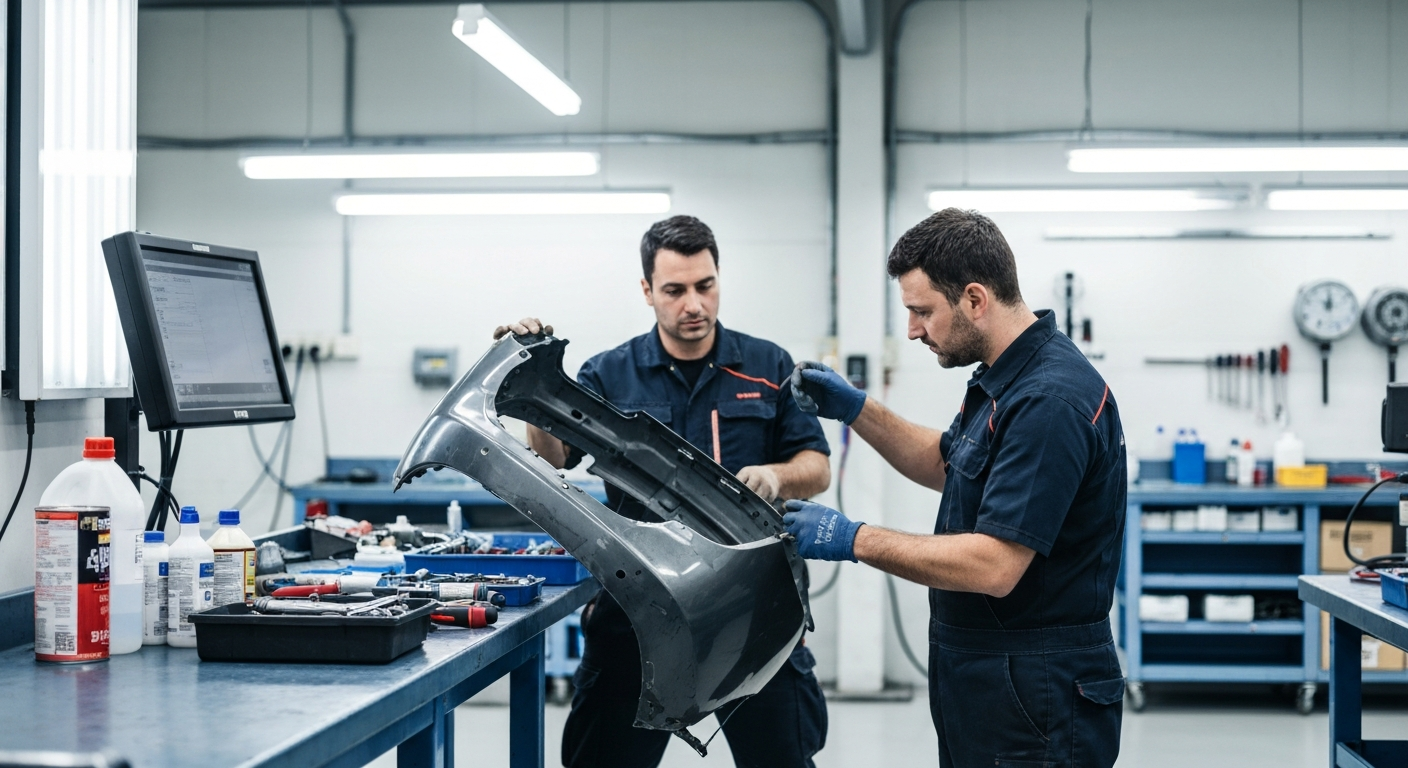
After an accident, finding the right auto body repair shop is crucial for safety and peace of mind. Whether you’re dealing with a minor fender bender or significant collision damage, understanding the repair process and what to look for in a quality shop can save you time, money, and stress. This comprehensive guide will help you navigate auto body repair in Los Angeles and make informed decisions about your vehicle’s care.
What Is Auto Body Repair?
Auto body repair refers to the restoration of your vehicle’s exterior and structural components after damage from accidents, weather, vandalism, or other incidents. Unlike mechanical repairs that fix engines and drivetrain systems, auto body work focuses on the physical structure, panels, paint, and cosmetic elements of your car.
Auto body repair services typically include:
- Collision Damage Repair: Fixing bent frames, damaged panels, and structural components
- Dent Removal: Using specialized techniques to remove dents and creases
- Paint Work: Matching, spraying, and finishing paint to factory specifications
- Bumper and Fender Repair: Restoring or replacing damaged bumpers, fenders, and trim pieces
- Frame Straightening: Using precision equipment to realign bent structural frames
- Glass Replacement: Installing new windshields and windows
- Interior Restoration: Repairing upholstery, panels, and interior components
Professional auto body shops like Hyperion Auto Repair offer comprehensive collision repair services that address both visible damage and underlying structural issues.
When Do You Need Auto Body Repair?
Common Damage Types
Auto body damage occurs in various situations. Understanding when you need professional repair is essential for vehicle safety and resale value:
- Collision Damage: The most common reason for auto body work—impacts from other vehicles, stationary objects, or multi-car accidents
- Weather Damage: Hail damage, tree branch damage, or flooding
- Vandalism: Intentional damage like keying, dents, or broken glass
- Parking Lot Incidents: Minor collisions or door dings in parking areas
- Animal or Nature Damage: Damage from wildlife collisions or falling debris
Warning Signs You Need Auto Body Repair
Watch for these indicators that your vehicle needs professional body work:
- Uneven panel gaps or misaligned doors and hood
- Visible dents, creases, or crumpled sections
- Paint chips, scratches, or discoloration
- Broken or damaged mirrors, lights, or trim pieces
- Difficulty closing doors or trunk smoothly
- Visible structural damage or frame bending
- Water intrusion or leaks after damage
- Wheels that aren’t tracking straight (alignment issues)
Auto Body Repair Costs: What to Expect
Factors That Affect Auto Body Repair Costs
Auto body repair costs vary significantly based on several key factors:
- Vehicle Type and Year: Luxury and new vehicles typically cost more to repair than older domestic models. Specialized parts for foreign vehicles can also increase costs.
- Damage Severity: Minor dents cost far less than extensive structural damage requiring frame straightening.
- Advanced Technology: Modern vehicles with sensors, cameras, and adaptive systems require specialized calibration after repairs.
- Location and Labor Rates: According to AAA, labor costs for auto repairs range between $47 and $215 per hour, varying significantly by geographic location.
- Repair Shop Type: Dealership body shops typically charge more than independent shops, though quality should be similar with proper certifications.
- Parts Source: Original Equipment Manufacturer (OEM) parts cost more than aftermarket alternatives.
- Paint Matching: Complex paint jobs with custom colors or special finishes increase costs.
Estimated Costs for Common Auto Body Repairs
Based on industry data from LendingTree and insurance estimates, here are typical price ranges for common repairs:
- Door Damage: $50 – $1,000
- Minor dents and scratches: $50-$300
- Significant damage affecting locks/windows: $500-$800
- Full door replacement: $800+
- Bumper Damage: $300 – $1,500+
- Minor bumper damage: $300-$500
- Significant cracks or separation: $800-$1,200
- Complete bumper replacement: $1,200-$1,500+
- Windshield/Window Damage: $250 – $1,000
- Small crack repair: $250-$400
- Full windshield replacement: $400-$800
- Specialty glass (heated, laminated): $800-$1,000
- Paint Damage: $500 – $7,500
- Small touch-up: $500-$1,000
- Panel repaint: $1,500-$3,000
- Full vehicle repaint: $3,000-$7,500
- Suspension Damage: $100 – $5,000+
- Individual component replacement: $100-$600
- Wheel alignment: $150-$300
- Full suspension system replacement: Up to $5,000
Insurance Deductibles and Coverage
Most auto insurance policies include a deductible—typically ranging from $500 to $1,000—that you’ll pay out-of-pocket before insurance covers damages. Whether you file an insurance claim depends on:
- Repair Cost vs. Deductible: If repairs cost less than your deductible, paying out-of-pocket avoids a claim that could raise your premium
- Type of Incident: Collision damage is covered under collision insurance; weather and vandalism under comprehensive insurance
- Fault Status: If you’re not at fault, the other driver’s liability insurance covers repairs
- Premium Impact: Filing claims can increase your rates by 20-40% for several years
Additional Costs to Consider
Rental Vehicle Costs: If your vehicle will be in the shop for several days or weeks, daily rental costs can range from $15 to $150 per day depending on the vehicle class and location. Not all insurance policies cover rental cars, so verify your coverage.
How to Identify Auto Body Damage
Visual Inspection Indicators
Perform these checks after any impact or accident:
- Panel Alignment: Look along the body panels in daylight to spot uneven gaps or misalignment
- Paint Quality: Check for chips, scratches, or areas where paint appears newer (indicating previous repair)
- Dent and Crease Assessment: Run your hand gently over the surface to feel damage, especially on body lines
- Light Reflections: Slight reflection inconsistencies reveal dents not immediately visible
Safety-Critical Checks
Before driving after any collision, verify:
- Mirrors: Broken or missing mirrors are safety hazards and traffic violations
- Hood Latch: Ensure the hood is securely latched; a popped hood while driving is extremely dangerous
- Lights: Check all headlights, tail lights, brake lights, and turn signals for proper function
- Fluid Leaks: Look under the vehicle for leaking coolant (green), oil (brown/black), transmission fluid (red), or brake fluid (clear)
- Steering and Brakes: Test steering responsiveness and brake feel before driving at speed
- Wheel Alignment: If the vehicle pulls to one side or handles oddly, alignment may be compromised
If you identify any of these issues, do not drive the vehicle. Contact a professional auto body repair shop immediately for assessment.
The Auto Body Repair Process Explained
Step 1: Initial Assessment and Estimate
The repair process begins with a thorough evaluation:
- Professional inspectors examine visible and hidden damage
- Advanced equipment like paint gauges and measuring systems assess frame alignment
- A detailed estimate is prepared including labor, parts, and material costs
- Insurance coordination begins if applicable
- Most quality shops provide free estimates with no obligation
Step 2: Repair and Restoration
Once approved, the repair work begins:
- Disassembly: Removing trim, lights, bumpers, and panels to access damage
- Structural Repair: Using specialized equipment to straighten frames and bend metal back into position
- Parts Replacement: Installing new parts or repairing damaged components
- Welding and Bonding: Structurally joining components using modern adhesives and welding techniques
- Quality Checking: Verifying alignment and fit at each stage
Step 3: Surface Preparation and Painting
This critical step ensures a quality finish:
- Sanding and Priming: Preparing surfaces to be perfectly clean and smooth
- Paint Mixing: Matching the vehicle’s original color precisely
- Spray Application: Applying multiple coats for proper coverage and durability
- Curing: Allowing paint to set and harden properly
- Buffing and Polishing: Creating a smooth, glossy finish
Step 4: Final Assembly and Quality Control
The final stage ensures everything works perfectly:
- All trimming, lights, and hardware are reinstalled
- Paint is inspected for color matching, coverage, and finish quality
- All safety systems and lights are tested
- Vehicle is thoroughly cleaned inside and out
- Customer is invited to inspect the completed work
5 Tips for Finding a Quality Auto Body Repair Shop Near You
Tip 1: Get Recommendations and Check Reviews
Word-of-mouth referrals are invaluable. Ask friends, family, and coworkers for their experiences. Then verify quality through online reviews on Google, Yelp, and the Better Business Bureau, focusing on feedback about:
- Quality of repairs and attention to detail
- Customer service and communication
- Honesty about repair needs and costs
- Timeline accuracy and reliability
Tip 2: Verify Certifications and Experience
Look for these industry-recognized credentials:
- I-CAR Gold Class Certification: Demonstrates training in latest repair techniques and technology
- ASE Certification: Shows technicians pass rigorous industry standards
- Manufacturer Certifications: Programs like Ford Certified, Chevrolet Certified indicate specialized training
- Years in Business: Established shops have survived market competition through quality and service
Tip 3: Check Work Guarantees and Warranties
Quality shops stand behind their work with:
- Lifetime warranties on workmanship
- Parts warranties (typically 3-5 years)
- Clear written warranty terms
- Willingness to address any issues that arise
Tip 4: Verify Insurance Partnerships
Choose shops that work directly with insurance companies because they:
- Understand insurance approval processes
- Can bill insurance directly, reducing your paperwork
- Know how to handle disputes or additional damage discovered during repair
- Can explain coverage and recommend the best approach
Tip 5: Compare Multiple Estimates
Never accept the first quote. Get 2-3 estimates to compare:
- Quality differences—highest price doesn’t always mean best quality
- Included services and warranty terms
- Estimates should be within 10-15% of each other (watch for outliers)
- Ask about any recommended additional repairs and why
Why Choose Hyperion Auto Repair for Your Auto Body Needs
When you need auto body repair in Los Angeles, Hyperion Auto Repair offers the expertise and service you can trust:
- ASE-Certified Technicians: Our team maintains the highest industry standards with current certifications
- Family-Owned Since 1985: Three decades of experience serving Los Angeles drivers
- Free Multi-Point Inspection: We provide comprehensive vehicle inspections to ensure nothing is overlooked
- Warranty on All Repairs: We guarantee our workmanship and stand behind every repair
- Direct Insurance Coordination: We handle insurance paperwork, making the process stress-free
- Expert Auto Body Services: From minor dents to major collision repairs, we have the equipment and expertise
For quality auto body repair services you can trust, contact Hyperion Auto Repair today at (323) 667-3180.
Frequently Asked Questions About Auto Body Repair
Q: Should I use OEM (Original Equipment Manufacturer) or aftermarket parts?
A: OEM parts are factory-original components that perfectly match your vehicle’s specifications. They cost 20-40% more than aftermarket alternatives but offer superior fit, finish, and longevity. For safety-critical components (frame, bumpers, suspension), OEM parts are recommended. For cosmetic parts, quality aftermarket pieces are acceptable. Discuss options with your repair shop—they can recommend the best choice for your situation.
Q: How long does auto body repair typically take?
A: Timeline depends on damage severity. Minor repairs (dents, small dents, scratch) take 1-3 days. Major repairs with frame straightening and painting take 2-4 weeks. Complex repairs involving structural damage or custom paint may take longer. Insurance coordination and parts sourcing can add additional time. Your repair shop should provide a realistic timeline after inspection.
Q: How do I know what insurance will cover?
A: Your insurance coverage depends on your policy type:
- Collision Coverage: Covers damage from hitting another vehicle or object, regardless of fault (minus your deductible)
- Comprehensive Coverage: Covers weather damage, theft, vandalism, and animal collisions
- Liability Coverage: Covers the other person’s repairs if you’re at fault (in other states)
Review your policy documents or call your insurance agent to confirm your specific coverage limits and deductibles.
Q: What if I’m not at fault for the accident?
A: If another driver caused the accident, you have two options: (1) File a claim with the at-fault driver’s liability insurance—they pay minus any deductible required by your state, or (2) Use your own collision coverage with a deductible and let your insurance company pursue the at-fault driver through subrogation. The at-fault driver’s insurance should cover all repair costs without requiring your deductible. Your repair shop can help coordinate this process.
Q: Can I get repairs started before insurance approval?
A: Most quality shops won’t start major work until insurance authorization is obtained, but they can perform free estimates and initial inspections. Some damage (like safety-critical issues) may be addressed immediately. Discuss your specific situation with your repair shop—they understand insurance coordination and can work within those parameters.
Get Your Vehicle Repaired Today
Auto body damage doesn’t have to be stressful. With the right information and a trusted repair partner, you can quickly restore your vehicle to pre-accident condition. Whether you’ve been in a major collision or have minor cosmetic damage, Hyperion Auto Repair’s expert technicians are ready to help.
Contact Hyperion Auto Repair:
- Phone: (323) 667-3180
- Address: 1845 Hyperion Avenue, Los Angeles, CA 90027
- We offer: Free inspections, free estimates, and warranty on all repairs
Don’t let auto body damage linger. Call Hyperion Auto Repair today and get back on the road with confidence!