
Brake Repair Los Angeles: Complete Guide to Service, Costs & Safety
When you hit the brakes, you trust that your vehicle will stop smoothly and safely. But what happens when that system starts to fail? Brake problems are among the most serious issues any Los Angeles car owner can face—they directly impact your safety and the safety of others on the road. If you’ve noticed squealing sounds, a soft pedal, or warning lights on your dashboard, you need reliable brake repair from technicians you can trust.
At Hyperion Auto Repair, we’ve been serving Los Angeles families since 1985 with professional brake service that goes beyond basic repairs. Our ASE-certified technicians perform thorough inspections to identify problems before they become dangerous. With our free multi-point brake inspections and warranty on all repairs, you can drive with confidence knowing your brakes are in expert hands.
Why Brake Repair Matters: Safety First
Your vehicle’s brake system is one of the most critical safety features on your car. Modern brake systems work by converting kinetic energy into heat through friction, bringing your vehicle safely to a stop. This happens thousands of times throughout your vehicle’s life, which means brake components experience constant wear and stress.
In Los Angeles, where we navigate heavy traffic, steep hills, and varied driving conditions, brakes take extra punishment. The combination of stop-and-go city driving, coastal salt air, and occasional mountain descents accelerates brake wear compared to other regions. Neglecting brake issues isn’t just about inconvenience—it’s a safety hazard.
The consequences of brake failure can be catastrophic. Worn brakes mean longer stopping distances, reduced responsiveness, and increased risk of accidents. Brake fluid degradation can lead to complete brake failure. Damaged rotors can cause uneven braking and loss of control. That’s why professional brake repair isn’t optional—it’s essential.
Warning Signs You Need Brake Repair
Your vehicle gives you plenty of warning signs before brakes fail completely. Learning to recognize these indicators helps you address problems early, when repairs are less expensive and your safety isn’t compromised.
Squealing or Squeaking Sounds
A high-pitched squealing sound when you press the brake pedal is often the first warning sign. Most modern brake pads include wear indicators—small metal tabs that contact the rotor when pads wear thin. This creates that distinctive squealing sound, telling you it’s time for service. Don’t ignore it; if you wait too long, the metal backing of worn pads will contact the rotor directly, causing damage that requires more expensive repairs.
Grinding Noises
Grinding is more serious than squealing. It indicates that your brake pads have worn completely, and metal components are now grinding directly against rotors. This is a sign that brake damage is already occurring. You need immediate service to prevent brake failure and to avoid having to replace expensive rotors along with your pads.
Soft or Spongy Brake Pedal
If your brake pedal feels soft, mushy, or goes too far down before the brakes engage, you likely have a brake fluid issue. This could be air in the brake lines, a fluid leak, or degraded brake fluid that’s lost effectiveness. A soft pedal can indicate that your brakes won’t respond properly when you need them most.
Dashboard Warning Lights
Modern vehicles have brake warning lights on the dashboard. If the brake warning light illuminates, don’t delay—schedule service immediately. This light indicates a detected problem in your brake system that requires professional diagnosis and repair.
Longer Stopping Distances
If you notice your vehicle requires more distance to stop than usual, your brakes are losing efficiency. This is an immediate safety concern that requires urgent professional attention.
Vibration or Pulsing When Braking
A pulsing sensation or vibration in the brake pedal when braking often indicates warped rotors. While less immediately dangerous than complete brake failure, warped rotors should be resurfaced or replaced to restore proper braking performance.
Types of Brake Repairs and Services
Not all brake repairs are the same. Different problems require different solutions. At Hyperion Auto Repair, our technicians can perform the full range of brake services:
Brake Pad Replacement
This is the most common brake repair. When pads wear thin, they’re replaced with new, high-quality pads. Most vehicles need new brake pads every 25,000 to 70,000 miles, depending on driving habits and brake quality. Front pads wear faster than rear pads because front brakes handle most of the stopping power.
Rotor Resurfacing and Replacement
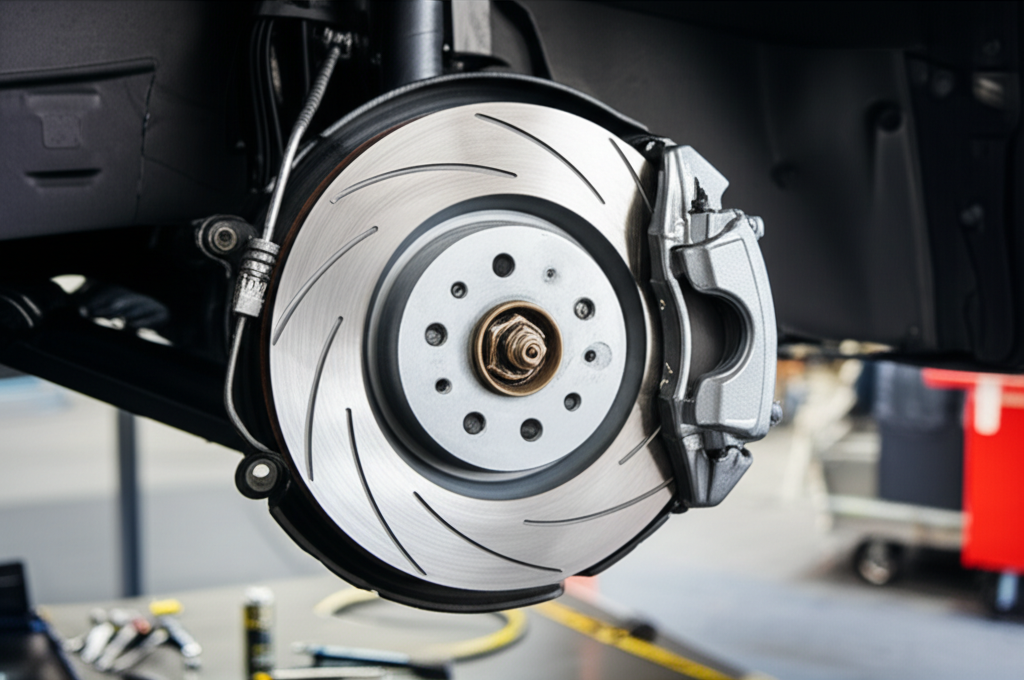
Rotors are the discs that brake pads grip to stop your vehicle. Over time, rotors wear thin and can become warped, especially if you consistently use your brakes hard. Rotors can sometimes be resurfaced (machined down to a smooth surface), but if they’re too thin or too damaged, they must be replaced. Worn rotors reduce braking efficiency and can cause vibration and noise.
Brake Fluid Replacement
Brake fluid is hygroscopic, meaning it absorbs moisture from the air over time. As it absorbs water, it becomes less effective and can corrode brake system components. Professional brake fluid service flushes out old fluid and replaces it with fresh, clean fluid. This is typically recommended every 2-3 years or as specified by your vehicle manufacturer.
Brake Line Repairs
Brake lines carry pressurized brake fluid to the wheels. Corrosion, rust, or damage can cause leaks. If your brakes feel soft or the pedal goes to the floor, you may have a brake line leak that requires professional repair or replacement.
Caliper Service
Brake calipers are the components that press pads against rotors. They can stick, leak, or fail over time. Sticking calipers cause uneven braking and premature pad wear. Professional caliper service or replacement restores proper brake function.
The Brake Inspection and Repair Process at Hyperion
When you bring your vehicle to Hyperion Auto Repair for brake service, here’s what happens:
Step 1: Multi-Point Brake Inspection
Our technicians perform a comprehensive inspection that includes checking pad thickness, rotor condition, brake fluid quality, hose condition, and caliper function. We use this inspection to identify existing problems and predict future issues.
Step 2: Diagnostic Testing
If warning lights are present or symptoms suggest brake problems, we perform specialized diagnostic testing to pinpoint the exact issue. This might include checking brake pressure, testing fluid condition, or performing a test drive to reproduce symptoms.
Step 3: Transparent Communication
We explain our findings in clear language and show you exactly what needs repair. We never recommend unnecessary work—only what your brakes actually need to operate safely.
Step 4: Quality Repair
Our ASE-certified technicians perform repairs using quality parts and proven techniques. We replace components that are worn or damaged and service components that can be restored.
Step 5: Quality Testing
Before returning your vehicle, we test the brakes thoroughly to ensure they respond properly, stop smoothly, and feel solid. Your safety is our final quality check.
Brake Repair Costs in Los Angeles
Brake repair costs vary significantly depending on what needs to be fixed:
- Brake Pad Replacement: $150-$300 per axle for parts and labor
- Rotor Resurfacing: $100-$200 per axle
- Rotor Replacement: $200-$500 per axle
- Brake Fluid Service: $100-$150
- Caliper Repair/Replacement: $300-$800 per wheel
- Brake Line Repair: $150-$400
Factors affecting brake repair costs include:
- Your specific vehicle make and model
- Extent of wear or damage
- Quality of replacement parts
- Whether additional components need service
The best way to control brake repair costs is preventive maintenance. Regular free multi-point inspections catch small problems before they become expensive. Replacing pads at the first sign of wear prevents rotor damage. Regular brake fluid service prevents corrosion and system failure. Addressing issues early always costs less than emergency repairs.
Why Choose Hyperion Auto Repair for Brake Service
When it comes to your brakes, you don’t have many choices—you need the best. Here’s why Los Angeles drivers trust Hyperion Auto Repair:
ASE-Certified Technicians
All our technicians are ASE-certified, meaning they’ve passed rigorous certification exams and maintain current knowledge of automotive repair. ASE certification is the gold standard in the industry.
Family-Owned Since 1985
We’ve been serving Los Angeles families for nearly 40 years. We’re not a chain shop; we’re your neighbors, invested in this community and your safety.
Free Multi-Point Inspections
Brake safety is too important to guess about. We offer free, no-obligation inspections so you know exactly what your brakes need.
Warranty on All Repairs
We stand behind our work with a warranty on all repairs. If something isn’t right, we’ll fix it—that’s our commitment to you.
Convenient Location
Located at 1845 Hyperion Avenue in Los Angeles, we’re easy to find and convenient to access. Whether you’re dealing with brake problems alongside other issues like suspension problems, we can help with comprehensive repairs.
Transparent Pricing
No surprises, no hidden fees. We give you clear pricing upfront and explain what you’re paying for.
Frequently Asked Questions About Brake Repair
How often should I have my brakes inspected?
We recommend a brake inspection at least once a year or every 10,000-15,000 miles. If you notice any warning signs, don’t wait—schedule service immediately.
Can my brake pads last longer if I drive carefully?
Driving habits do affect brake pad life. Smoother acceleration, gentler braking, and avoiding traffic congestion can extend pad life. However, brake pads are wear items—they’ll eventually need replacement regardless of how carefully you drive.
What’s the difference between disc and drum brakes?
Disc brakes (more common on front wheels) use pads that grip a rotor. Drum brakes (sometimes on rear wheels) use shoes that press against a drum. Both systems work, but disc brakes are more common and generally easier to service.
How long do brake repairs take?
A simple brake pad replacement typically takes 1-2 hours. More complex repairs might take 2-4 hours. We’ll give you an accurate estimate before starting work.
Should I repair my brakes myself?
Brake repair requires specialized knowledge and tools. Mistakes can result in brake failure and serious accidents. Leave brake service to professionals with the expertise to do it right.
Don’t Compromise on Brakes—Get Professional Repair Today
Your brakes are too important to ignore or delay. If you’ve noticed warning signs, or if it’s been more than a year since your last brake inspection, contact Hyperion Auto Repair today.
Call (323) 667-3180 or visit us at 1845 Hyperion Avenue, Los Angeles, CA 90027
We offer free brake inspections—no obligation, no pressure. Let our ASE-certified technicians assess your brakes and give you honest recommendations. When it comes to your safety, we don’t compromise. Hyperion Auto Repair: Professional Auto Care You Can Trust.