
Brake Repair Near Me in Los Angeles: Complete Guide to Costs, Warning Signs & Solutions
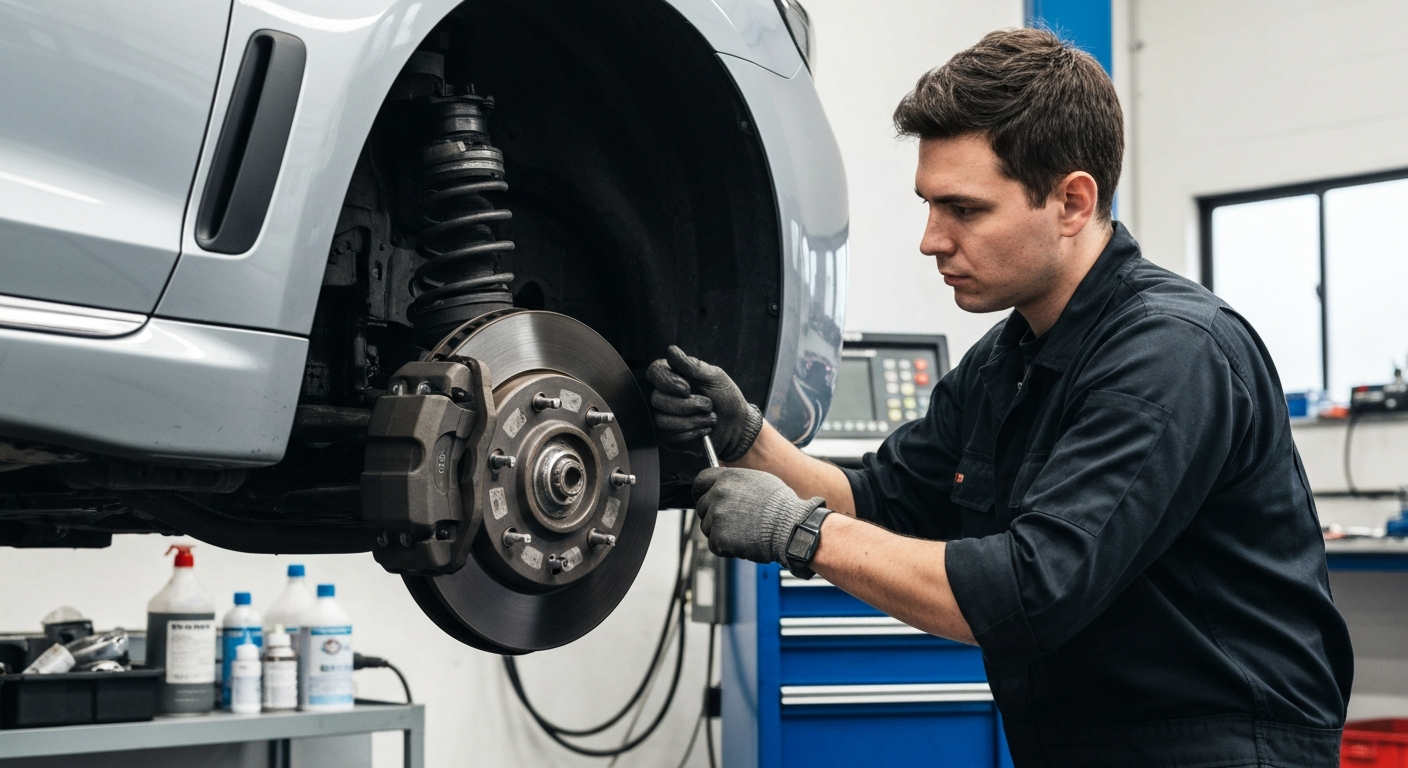
Your brakes are your vehicle’s most critical safety system. When you’re navigating Los Angeles traffic, winding mountain roads, and city streets packed with pedestrians, reliable brakes can mean the difference between a safe journey and a dangerous situation. If you’re searching for “brake repair near me,” you’ve come to the right place. Hyperion Auto Repair has been Los Angeles’ trusted brake service provider for over four decades, with ASE-certified technicians ready to keep your vehicle stopping safely.
At Hyperion, we understand that brake problems demand immediate attention. That’s why we offer free multi-point inspections on every vehicle, so you know exactly what your brakes need before any work begins. Whether you need a simple brake pad replacement or a complete brake system overhaul, our family-owned shop delivers professional solutions with a warranty on all repairs.
Why Brake Repair is Critical for Safety
Your brakes are engineered to handle thousands of stops, but they’re not invulnerable. According to the National Highway Traffic Safety Administration (NHTSA), brake failures contribute to thousands of accidents annually. When brakes fail:
- Stopping distance increases dramatically — Worn pads can increase stopping distance by 10-30 feet at highway speeds
- You lose control at critical moments — Brake fade and reduced stopping power are dangerous at high speeds or during emergency stops
- You put passengers and pedestrians at risk — Brake failure doesn’t just affect your vehicle; it endangers everyone on the road
- Damage cascades to other systems — Ignoring brake problems can damage rotors, calipers, and transmission
Professional brake repair isn’t a luxury—it’s a necessity. The cost of preventive maintenance is minimal compared to the cost of an accident or emergency brake replacement.
8 Warning Signs Your Brakes Need Repair
Don’t ignore these red flags. If you notice any of these warning signs, schedule a brake inspection immediately:
1. Squealing or Squeaking Noises
What it means: Most modern brake pads have built-in wear indicators—small metal tabs that produce a squealing sound when brake pads are nearing the end of their life. If you hear high-pitched squeaking when braking, your pads are typically 80-90% worn. Urgency: Schedule service within the week.
2. Grinding Sounds
What it means: Grinding indicates your brake pads have worn completely, and you’re now metal-on-metal between the pad backing and rotor. This damages your rotors and reduces braking effectiveness. Urgency: STOP driving immediately. This is an emergency. Get to a mechanic today.
3. Soft or Spongy Brake Pedal
What it means: A mushy brake pedal indicates air in the brake lines or low brake fluid. Air compresses; brake fluid doesn’t. This reduces brake effectiveness significantly. Causes: Brake fluid leak, recent brake service, or brake system contamination. Urgency: Get inspected within 24-48 hours. Don’t ignore this.
4. Hard Brake Pedal
What it means: If you need to press hard on the pedal to stop, your brake booster may be failing. The brake booster uses engine vacuum to multiply your foot pressure. Without it, you’ll need significant effort to stop. Urgency: Schedule service within a few days.
5. Brake Fluid Leaks
What it means: You may notice brown or reddish fluid puddles under your vehicle, or your brake fluid level drops noticeably in the reservoir. Brake fluid loss means reduced braking power. Causes: Damaged brake lines, failed wheel cylinders, or master cylinder leaks. Urgency: Get service the same day if possible.
6. Dashboard Brake Warning Light
What it means: Your vehicle’s computer has detected a brake system problem. Don’t ignore this light; it could indicate low brake fluid, brake pad wear, or ABS system issues. Urgency: Have the system scanned within 24 hours.
7. Reduced Stopping Power
What it means: If your vehicle takes longer to stop than it should, your brakes are compromised. This might feel like reduced responsiveness or increased pedal travel. Causes: Worn pads, damaged rotors, brake fluid contamination, or caliper problems. Urgency: Immediate service required.
8. Vibration or Pulsation When Braking
What it means: A pulsing brake pedal or vibration through the steering wheel indicates your rotors are warped or damaged. Warped rotors prevent even brake pad contact. Causes: Overheating (common on Los Angeles mountain roads), aggressive driving, or factory defects. Urgency: Schedule service within the week.
Understanding Your Brake System Components
Before discussing repair options, let’s understand what you’re working with. Your brake system has several critical components that work together:
Brake Pads
Brake pads press against your rotors to create friction and stop your vehicle. Modern pads are typically 8-12mm thick when new. Typical lifespan: 25,000 to 70,000 miles, depending on driving habits, vehicle weight, and climate. Los Angeles drivers with frequent city driving and mountain roads often see pad life on the lower end of this range due to constant braking. Signs of wear: Squealing, reduced stopping power, or less than 5mm of pad remaining. Cost to replace: $150-$350 per axle (front or rear).
Brake Rotors
Rotors are the metal discs that brake pads squeeze against. Over time, they wear down and develop surface irregularities. Modern rotors are typically 28-32mm thick when new and should be replaced when they reach 22-26mm. When they need service: Rotors can be resurfaced (machined) to remove surface damage if they’re above minimum thickness. Otherwise, they must be replaced. Typical rotor lifespan: 30,000 to 100,000 miles. Cost: Resurfacing runs $200-$300 per axle; replacement is $300-$500 per axle.
Brake Fluid
Brake fluid is hydraulic fluid that transfers your foot pressure to the brakes. It’s hygroscopic, meaning it absorbs moisture from the air. Over time, this moisture can cause corrosion and reduce braking effectiveness. Exchange interval: Most manufacturers recommend a complete brake fluid service every 2 years or 24,000 miles. Cost: $100-$150.
Calipers
Calipers are hydraulic devices that squeeze the brake pads against the rotors. A failed caliper can cause uneven braking or brake drag. Signs of caliper problems: Vehicle pulling to one side during braking, uneven pad wear, or brake fluid leaks. Cost to replace: $150-$400 per caliper.
Brake Shoes (Drum Brakes)
Older vehicles and some rear-wheel brake systems use brake shoes instead of pads. These work similarly but are designed for drum brakes. Lifespan: 30,000-80,000 miles. Cost: $200-$400 per axle.
How Much Does Brake Repair Cost in Los Angeles?
Brake repair costs vary based on several factors, but here’s what you can typically expect at a professional shop like Hyperion:
| Service | Typical Cost | What’s Included |
|---|---|---|
| Brake Pad Replacement (one axle) | $150-$300 | Pads, labor, pad installation, inspection |
| Rotor Resurfacing (one axle) | $200-$300 | Rotor machining, labor, balancing |
| Rotor Replacement (one axle) | $300-$500 | New rotor, pads, labor, installation |
| Full Brake Job (front + rear) | $300-$800 | Pads, rotors, labor, inspection, test drive |
| Brake Fluid Exchange | $100-$150 | Fluid replacement, system flush, inspection |
| Caliper Repair/Replacement | $150-$400 | Caliper, seals, labor, bleeding |
What Affects Your Brake Repair Cost?
- Vehicle type and size: Larger vehicles need more robust braking systems and cost more to service
- Damage extent: Slight pad wear is cheaper than rotor replacement; grinding damage costs more
- Parts quality: OEM (original equipment) parts cost more than aftermarket but often last longer
- Brake system type: ABS systems and performance brakes add complexity and cost
- Labor rates: Hyperion’s ASE-certified technicians provide expert work at fair prices with a warranty on all repairs
Hyperion’s Advantage: We don’t upsell unnecessary repairs. Our free multi-point inspection identifies exactly what you need, and we warranty all work. No surprise bills, no hidden costs.
The Professional Brake Repair Process
Here’s what happens when you bring your vehicle to Hyperion for brake service:
Step 1: Vehicle Inspection & Diagnostic
Your vehicle receives a comprehensive inspection. We check:
- Brake pedal feel and responsiveness
- Visual inspection of brake components
- Brake system fluid level and condition
- Warning lights and diagnostic codes
- Brake pad wear patterns
Step 2: Brake Component Assessment
We measure:
- Brake pad thickness (when replacement is needed)
- Rotor thickness and run-out (warping)
- Caliper operation and seal condition
- Brake fluid condition and moisture content
- Any signs of leaks or system failure
Step 3: Customer Consultation
We discuss our findings with you. You’ll know:
- Which components need service immediately
- Which components are wearing and need future attention
- Recommended repair options and timeline
- Cost estimates and warranty information
Step 4: Parts Selection
You choose from:
- OEM Parts: Original manufacturer parts, often recommended for luxury vehicles or performance applications
- Quality Aftermarket Parts: Certified parts that meet or exceed manufacturer specifications, often at lower cost
- Premium Parts: High-performance brake systems for vehicles that need enhanced braking
Step 5: Brake Service
Our ASE-certified technicians:
- Remove wheels and inspect entire brake system
- Replace brake pads and/or rotors as needed
- Service calipers and brake hardware
- Top off or exchange brake fluid as recommended
- Bleed brake lines if necessary (for system integrity)
- Check and adjust brake systems (ABS, traction control, etc.)
Step 6: Road Test
After service, we perform a road test to verify:
- Proper brake responsiveness
- No noise or vibration during braking
- Proper pedal feel
- No brake warning lights
- Safe braking from various speeds
Step 7: Final Inspection
Before you leave, your vehicle receives a final inspection confirming all work meets Hyperion’s standards.
Brake Service vs. Brake Repair: What’s the Difference?
Many drivers confuse brake service with brake repair. Here’s the distinction:
Brake Service (Preventive Maintenance)
Brake service is routine maintenance to keep your brakes operating safely and effectively:
- Brake inspection: Checking pad wear, rotor condition, fluid quality
- Brake fluid exchange: Replacing aged fluid that’s absorbed moisture
- Pad replacement: Installing new pads before they wear dangerously thin
- Rotor resurfacing: Machining rotors to remove minor damage before replacement is necessary
- System flush: Cleaning the entire brake system of contaminants
Cost: $100-$400 depending on what’s needed. Benefit: Prevents expensive repairs and maintains safety.
Brake Repair (Corrective Work)
Brake repair is fixing problems that have already developed:
- Rotor replacement: Replacing rotors that are too thin or damaged to resurface
- Caliper repair: Fixing or replacing failed calipers
- Brake line repair: Fixing leaks in brake lines or hoses
- Master cylinder service: Rebuilding or replacing the master cylinder
- Emergency repairs: Addressing dangerous brake failures
Cost: $200-$1,500+ depending on severity. Why it’s more expensive: Damage cascades. For example, driving on grinding brakes ruins rotors, making them more expensive to fix.
Why Preventive Brake Service Matters
Regular brake inspection and service is far cheaper than brake repair. Preventive maintenance catches problems early:
- Worn pads detected early = pad replacement only ($150-$300)
- Worn pads ignored = pad + rotor replacement ($300-$500)
- Grinding brakes continued = rotor + caliper damage ($500-$1,000+)
The difference? Hundreds of dollars saved with routine service.
Common Brake Problems & Solutions
Brake Fade
Problem: Your brakes feel less responsive after extended braking, common on long downhill drives (like from Los Angeles mountain roads). Cause: Brake fluid overheating reduces its hydraulic properties. Solution: Allow brakes to cool, check brake fluid condition, consider brake upgrade for frequent mountain driving. Prevention: Use engine braking on long descents; avoid “riding” the brakes.
Grinding Brakes
Problem: Metal-on-metal grinding sound during braking. Cause: Brake pads completely worn, metal backing touching rotor. Solution: Immediate brake pad and likely rotor replacement. Continued grinding damages calipers. Prevention: Regular brake inspections catch pad wear before grinding starts.
Soft or Low Brake Pedal
Problem: Pedal goes close to floor before brakes engage. Causes: Air in brake lines, low brake fluid, failed master cylinder. Solution: Check and top off brake fluid; bleed brake lines if air is present; replace master cylinder if failed. Prevention: Regular brake fluid inspection and exchange.
Hard Brake Pedal
Problem: Significant pressure needed to stop the vehicle. Causes: Failed brake booster, damaged check valve, air in brake system. Solution: Replace brake booster or repair brake lines. Prevention: Engine maintenance (vacuum hose inspection) helps prevent booster failure.
Uneven Braking
Problem: Vehicle pulls to one side during braking. Causes: Stuck caliper, uneven pad wear, hydraulic system issue. Solution: Service affected side, bleed brake system, replace calipers if necessary. Prevention: Regular inspections catch stuck calipers early.
Brake Fluid Leaks
Problem: Fluid puddles under vehicle, dropping pedal, reduced braking. Causes: Cracked brake lines, failed calipers or wheel cylinders, master cylinder leak. Solution: Locate and repair leak source, replace damaged components, refill and bleed system. Prevention: Regular brake inspections can catch small leaks before they become serious.
How Often Should You Get Brake Service?
Professional brake inspections are essential to your safety:
Recommended Inspection Schedule
- Every 12 months or 12,000 miles — whichever comes first
- Sooner if warning signs appear — don’t wait if you hear noise or feel changes
- Before long trips — especially mountain driving in Los Angeles
- After any brake work — follow-up inspection ensures quality
Factors That May Require More Frequent Service
- Mountain driving: Los Angeles’ elevation changes and winding roads accelerate brake wear
- City driving: Stop-and-go traffic causes constant braking and increases wear rates
- Towing: Trailers and heavy loads work brakes harder
- Performance driving: Aggressive acceleration and braking wears brakes faster
- Older vehicles: Vehicles over 10 years old should get brake inspections every 6 months
Hyperion’s Free Multi-Point Inspection
Don’t rely on guessing when your brakes need service. Hyperion offers free multi-point inspections that include detailed brake system analysis. We’ll tell you exactly what your brakes need, with no obligation to proceed with service. This is one of the most valuable preventive tools available to Los Angeles drivers.
Why Choose Hyperion Auto Repair for Brake Service
When it comes to your brakes—your vehicle’s most critical safety system—you need expertise you can trust. Here’s why Los Angeles drivers choose Hyperion:
ASE-Certified Technicians
Our technicians hold ASE (Automotive Service Excellence) certifications, proving they’ve passed rigorous exams on brake systems, diagnostics, and repair. ASE certification means:
- Verified knowledge of modern brake systems
- Understanding of ABS, traction control, and advanced brake technology
- Commitment to ongoing education and training
- Accountability to professional standards
Family-Owned Since 1985
We’re not a chain shop focused on maximizing revenue. For over 40 years, Hyperion has served Los Angeles families with honest, professional service. Our reputation is built on customer trust and quality work.
Free Multi-Point Inspections
We don’t charge for brake inspections. You’ll know exactly what your brakes need before you commit to any service. This transparency builds trust and prevents unnecessary repairs.
Warranty on All Repairs
We stand behind our work. Every brake repair includes a warranty, so you’re protected if anything isn’t right. This gives you peace of mind on your most critical safety system.
Modern Diagnostic Equipment
We use advanced diagnostic tools to:
- Scan brake system computers for codes and issues
- Measure rotor thickness and run-out with precision
- Test brake fluid moisture content
- Verify ABS and traction control systems
- Ensure your repairs are effective
Same-Day Service Available
Many brake repairs can be completed same-day, getting you back on Los Angeles roads safely.
Local Los Angeles Presence
We’re located at 1845 Hyperion Avenue, serving Los Angeles drivers for decades. We understand Los Angeles driving conditions: mountain roads, city traffic, weather variations, and more. Our experience with local vehicles and conditions is invaluable.
Brake Service in Los Angeles: What to Expect
Los Angeles driving presents unique challenges to brake systems that drivers in flatter regions don’t face:
Mountain and Elevation Changes
Los Angeles’ topography includes numerous mountain roads, canyon passes, and elevation changes. Frequent downhill braking accelerates brake wear and can cause brake fade from overheating. Professional service accounts for this accelerated wear.
Hot Weather Effects
Summer temperatures exceeding 95°F accelerate brake fluid degradation. Moisture absorption happens faster in heat. More frequent brake fluid exchanges keep your system reliable in LA’s climate.
Stop-and-Go Traffic
Los Angeles traffic means constant braking. This continuous loading wears pads and rotors faster than highway driving. City driving patterns require more frequent brake service.
Air Quality and Brake Dust
Los Angeles’ air quality challenges mean more brake dust accumulation. This contaminates brake fluid and requires more frequent system flushing.
Professional Service Standards
Los Angeles shops meeting professional standards use:
- DOT-approved brake fluid matching your vehicle’s requirements
- Proper bleeding procedures to remove air from lines
- Wheel removal and full brake system inspection
- Road testing to verify safety before returning your vehicle
- Detailed documentation of all work performed
Hyperion meets and exceeds these standards on every brake service.
Conclusion: Protect Your Safety with Professional Brake Service
Your brakes are too important to neglect. Whether you’re navigating Los Angeles traffic, climbing mountain passes, or heading out on a road trip, reliable brakes are essential to your safety and the safety of everyone around you.
Don’t wait for grinding sounds or brake failure. Regular professional inspection and service prevents costly repairs and keeps you safe. Hyperion’s ASE-certified technicians, honest service, free inspections, and warranty on all repairs make us Los Angeles’ trusted brake service provider.
Contact Hyperion Auto Repair today:
- Phone: (323) 667-3180
- Location: 1845 Hyperion Avenue, Los Angeles, CA 90027
Schedule your free multi-point inspection now. Let our experts tell you exactly what your brakes need, with no pressure and no obligation. Because at Hyperion, your safety isn’t negotiable.