
Complete Guide to Bumper Repair in Los Angeles: Costs, Types & Professional Solutions
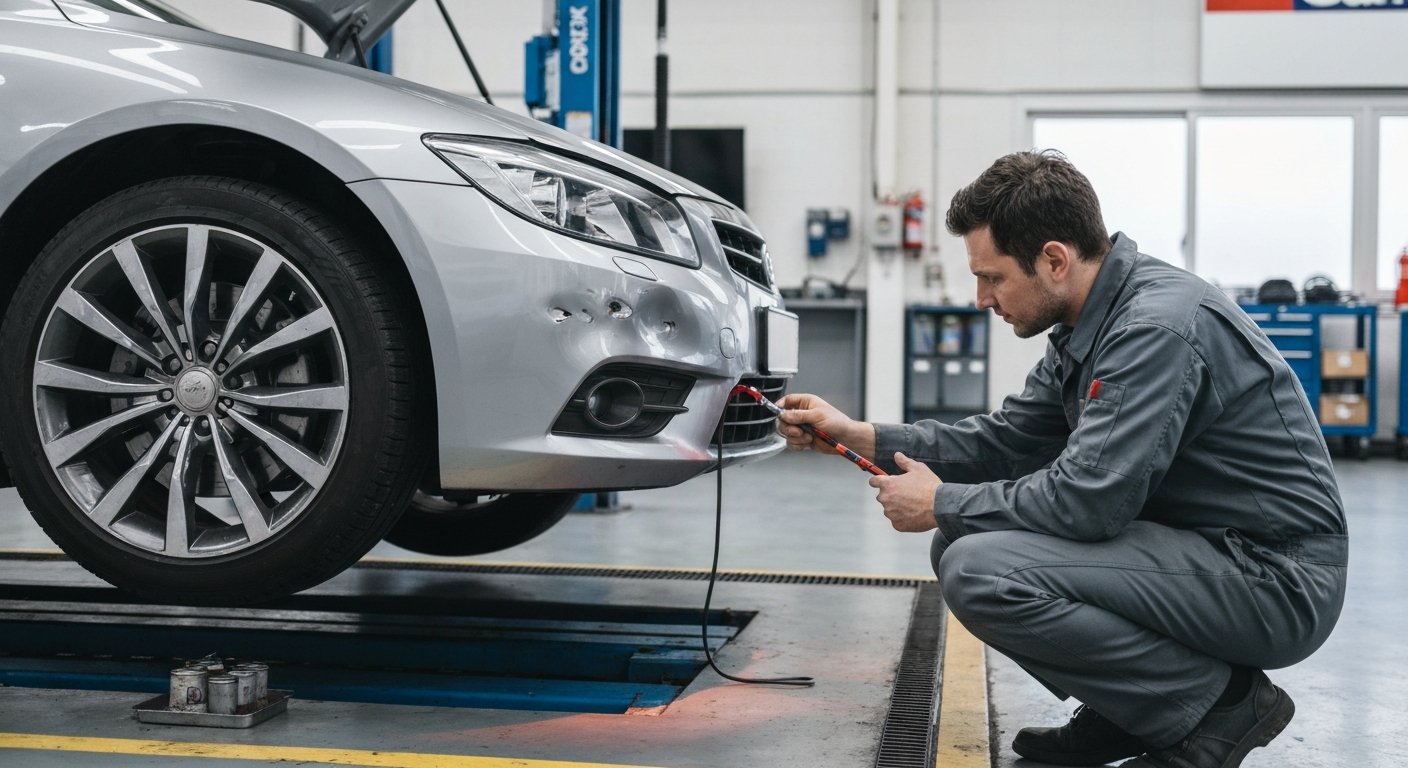
Your car’s bumper is more than just a styling element—it’s a critical safety component designed to absorb impact and protect your vehicle and its occupants. Whether you’ve suffered a minor parking lot dent or damage from a collision, bumper damage is one of the most common issues Los Angeles drivers face. Understanding your repair options can help you make informed decisions and avoid costly mistakes.
At Hyperion Auto Repair, we’ve been providing professional bumper repair and auto body service to Los Angeles drivers since 1985. Our ASE-certified technicians understand the complexities of modern bumpers and can restore your vehicle safely and affordably. This comprehensive guide covers everything you need to know about bumper repair, from costs and repair types to the professional process that ensures your bumper functions properly.
Understanding Bumper Damage Types
Not all bumper damage is the same, and the type of damage you’re dealing with determines what repair approach is necessary. Understanding these categories helps you communicate effectively with repair professionals and understand your repair options.
Cosmetic Damage
Cosmetic damage is surface-level harm that affects appearance but not function. This includes paint scratches, scuffs, and minor scrapes. While cosmetic damage doesn’t compromise safety, many drivers prefer to repair it for aesthetics and resale value. Cosmetic repairs are typically the most affordable option, often ranging from $300-$600 depending on the damage extent.
Dents and Creases
Dents range from small impacts to significant deformations that affect the bumper’s appearance and potentially its structural integrity. Minor dents (smaller than a few inches) can often be repaired using paintless dent removal or traditional repair methods. These repairs typically cost $400-$800 and can usually restore the bumper to near-original condition.
Structural Damage
Serious impacts can cause structural damage—cracks, breaks, or deformation that affects the bumper’s ability to protect your vehicle. Structural damage is serious because modern bumpers contain safety components including sensors and cameras. If structural integrity is compromised, your vehicle’s safety systems may not function properly. Structural damage often requires either major repair or replacement.
Paint and Finish Damage
Paint damage can occur from scratches, chemical damage, or UV exposure. Professional paint repair involves color matching—a critical process that ensures seamless blending with the rest of your vehicle’s finish. Quality paint matching requires specialized equipment and expertise to achieve factory color accuracy.
Bumper Repair vs Bumper Replacement: When Is Each Appropriate?
One of the first questions repair professionals answer is whether your bumper can be repaired or needs replacement. This decision depends on several factors including damage severity, structural integrity, and cost-effectiveness.
When Can a Bumper Be Repaired?
Most minor to moderate bumper damage can be successfully repaired. Repair is typically the preferred approach when:
- Surface damage only: Scratches, paint damage, or shallow dents
- Structural integrity maintained: The bumper’s core structure isn’t compromised
- No hidden component damage: Sensors, cameras, and mounting points are undamaged
- Cost-effective: Repair costs significantly less than replacement
Cosmetic repairs can often restore a bumper to excellent condition. Modern painting and finishing techniques can create virtually invisible repairs when executed by skilled technicians. Additionally, if your bumper contains sensors or cameras, repairing rather than replacing preserves these existing, functioning components.
When Is Bumper Replacement Necessary?
Complete bumper replacement becomes necessary when:
- Severe structural damage: Cracks, breaks, or permanent deformation affecting the bumper’s protective capabilities
- Hidden component damage: Impact sensors, parking sensors, cameras, or radar systems are damaged
- Mounting damage: The bumper’s mounting points are cracked or bent beyond safe repair
- Safety compromise: The damage affects the bumper’s ability to absorb impact
- Material degradation: Extreme damage where the plastic or metal can’t be structurally restored
Modern vehicles have increasingly complex bumpers that integrate safety technology. Damage that affects these components often requires replacement to ensure your vehicle functions safely.
How Much Does Bumper Repair Cost in Los Angeles?
Bumper repair costs vary significantly based on damage type, your vehicle, and the chosen repair method. Understanding typical cost ranges helps you budget and evaluate repair quotes.
Typical Cost Ranges
Minor Cosmetic Damage (scratches, small scuffs): $300-$500
Surface-level damage typically requires light sanding, primer, paint, and clear coat. These straightforward repairs are the most affordable option.
Small to Moderate Dents: $400-$800
Small dents may be repaired using paintless dent removal (PDR) or traditional filling methods. The exact cost depends on dent size and location.
Major Damage (significant denting, crumpling): $800-$1,500
Extensive damage requiring major repair work, filler, sanding, and multiple paint coats falls into this range. Some structural damage may be repairable at this cost level.
Bumper Replacement: $1,500-$3,000+
Full replacement includes the new bumper, painting or pre-painted finish, installation, and sensor/camera recalibration if needed. High-end vehicles or those with integrated technology cost more.
Factors Affecting Bumper Repair Costs
Damage Severity: Minor damage costs less than extensive damage. Structural compromise significantly increases costs.
Bumper Material: Plastic bumpers are typically less expensive to repair than metal bumpers. Modern composite materials may also affect pricing.
Vehicle Make and Model: Luxury vehicles and specialty models have higher parts and labor costs. Some vehicles have integrated technology in bumpers, adding complexity and cost.
Paint Color Matching: Matching rare or metallic paint colors requires specialized equipment and expertise, potentially increasing labor costs.
Part Availability: OEM (original manufacturer) parts may need to be ordered, while aftermarket parts are often cheaper but may differ in quality.
Hidden Component Damage: If sensors, cameras, or other integrated components are damaged, repair costs increase significantly.
The Professional Bumper Repair Process
Understanding what happens during professional bumper repair helps you appreciate the expertise involved and why professional service is worth the investment. Many shops offer comprehensive collision repair that includes bumper work as part of larger vehicle restoration.
Step 1: Comprehensive Damage Assessment
Professional repair begins with thorough damage evaluation. Experienced technicians examine:
- Visible damage extent and location
- Structural integrity of the bumper core
- Attachment points and mounting condition
- Integrated components (sensors, cameras, wiring)
- Paint condition and color
- Underlying frame or support structure
This assessment determines whether repair or replacement is appropriate and guides the repair plan. Many technicians document damage with photos for insurance purposes.
Step 2: Repair Planning and Preparation
Once damage is understood, technicians plan the repair approach. Preparation includes:
- Removing the bumper if necessary (most repairs require removal)
- Removing trim pieces, lights, or sensors that might be damaged
- Cleaning the bumper thoroughly to remove dirt and debris
- Protecting areas not being repaired with masking tape and paper
- Setting up the work area with proper ventilation and safety equipment
Proper preparation ensures the actual repair work proceeds efficiently and safely.
Step 3 & 4: Damage Repair and Finishing
The actual repair work depends on damage type:
For dents and deformation: Technicians use specialized tools to carefully manipulate the bumper back into shape. For severe damage, plastic filler may be applied, dried, and shaped. The filled area is then carefully sanded to create a smooth, uniform surface.
For surface damage: Scratches and scuffs are addressed through sanding to remove damaged paint, then filling with primer as needed.
Finishing process: The prepared surface receives a primer coat (if needed), followed by color-matched paint application. Technicians apply paint in thin, even coats for seamless coverage. Finally, a protective clear coat is applied to protect the paint and provide UV protection.
Step 5: Quality Control and Inspection
Before returning your vehicle, professional technicians perform final inspection:
- Visual inspection of the repair quality
- Color matching verification from multiple angles and lighting
- Surface smoothness assessment (running hands over the repair)
- Paint thickness testing (ensuring proper coat thickness)
- Functionality testing (if sensors or electronics were involved)
- Final cleaning of the vehicle
Quality-focused shops stand behind their work with warranties, ensuring customer satisfaction.
DIY vs Professional Bumper Repair: Making the Right Choice
Many drivers wonder whether they can save money with DIY bumper repair. While some minor damage might be addressable with consumer products, professional repair offers significant advantages.
When DIY Might Be an Option
DIY repair kits are available for very minor surface damage—small scratches or paint chips on otherwise undamaged bumpers. These products can provide temporary solutions or acceptable results for low-visibility damage.
Why Professional Repair Is Usually Better
Quality and durability: Professional repairs use industrial-grade materials and techniques that last longer than consumer products.
Color matching: Achieving invisible paint matches requires specialized equipment most DIY products lack. Mismatched paint is often more noticeable than the original damage.
Structural safety: For any denting or structural damage, professional assessment ensures safety. Improper repairs could compromise impact protection.
Warranty protection: Professional repairs typically include warranties. DIY repairs have no warranty and may void any insurance claims.
Insurance complications: Insurance adjusters often identify poor DIY repairs, which can complicate future claims. Professional repairs are properly documented and insurable.
Time efficiency: Professional shops complete repairs quickly. DIY attempts often take much longer and may not achieve satisfactory results.
Why ASE-Certified Professional Service Matters
Choosing a professional shop with ASE-certified technicians ensures expertise and quality. ASE (Automotive Service Excellence) certification demonstrates proven knowledge and ongoing professional development.
The Value of ASE Certification
ASE-certified technicians have:
- Demonstrated expertise verified by independent testing
- Current knowledge of modern vehicle technology
- Commitment to ongoing professional education
- Adherence to industry standards and best practices
- Access to technical resources and training
When you choose ASE-certified service, you’re choosing professionals committed to excellence.
Professional Equipment and Materials
Professional shops invest in specialized equipment:
- Paint mixing and matching systems for accurate color reproduction
- Spray booths with proper ventilation and climate control
- Specialized tools for dent removal and bumper manipulation
- Paint thickness gauges for quality verification
- Computerized diagnostic equipment for sensor verification
Professional-grade materials also exceed consumer products in quality and durability.
Will Insurance Cover Bumper Repair?
Insurance coverage for bumper damage depends on your specific policy and circumstances.
Coverage Types
Collision Coverage: Covers damage from collisions with other vehicles or objects. This typically covers bumper damage caused by accidents.
Comprehensive Coverage: Covers damage from non-collision events like vandalism, weather, or hitting an animal.
Most bumper damage falls under collision coverage if accident-related.
Important Insurance Considerations
Deductibles: You’ll pay your deductible (typically $500-$1,000) before insurance covers the rest.
At-fault status: If you’re found at-fault, the claim may affect your rates.
Vehicle age and depreciation: Insurance calculates actual cash value considering vehicle age and condition.
Using preferred repair shops: Many insurers have preferred repair shops that understand claim procedures.
When in doubt, contact your insurance agent to understand your specific coverage.
How to Prevent Bumper Damage
While accidents happen, you can minimize bumper damage risk through awareness and precaution.
Practical Prevention Tips
Parking awareness: Be mindful of tight parking spots and surrounding vehicles. Take extra time to position your car safely.
Safe following distance: Maintain adequate distance from vehicles ahead, especially in traffic. Many rear-end accidents occur from following too closely.
Low-speed awareness: Many parking lot collisions happen at low speeds. Drive slowly and look both ways in parking lots.
Regular inspection: Regularly inspect your bumper for damage. Small damage can be repaired affordably before it worsens.
Protective products: Bumper guards and protective wraps can absorb minor impacts.
Address damage promptly: Small scratches or minor dents can worsen. Professional repair of minor damage is cost-effective prevention.
Professional Bumper Repair at Hyperion Auto Repair
If you’re experiencing bumper damage in the Los Angeles area, Hyperion Auto Repair offers expert bumper repair services backed by our commitment to quality. We’re part of the professional auto body repair network serving Los Angeles with trusted solutions.
Why Choose Hyperion Auto Repair
ASE-Certified Technicians: Our team consists of certified professionals with extensive bumper repair experience.
Family-Owned Since 1985: Three decades of service to Los Angeles drivers means deep community roots and reputation for reliability.
Free Multi-Point Inspections: We assess your bumper damage at no charge, providing transparent evaluation and repair recommendations.
Warranty on All Repairs: We stand behind our work with comprehensive warranties ensuring your satisfaction.
Expert Color Matching: Our paint matching expertise ensures seamless repairs that disappear from sight.
Competitive Pricing: Professional quality at fair, competitive prices you can trust.
Insurance-Approved: We work directly with insurance companies, handling the claims process professionally.
Don’t let bumper damage affect your vehicle’s appearance or safety. Contact Hyperion Auto Repair today for professional bumper repair service in Los Angeles. Our ASE-certified technicians will assess your damage, explain your options, and restore your bumper to like-new condition with our warranty guarantee.
Contact Hyperion Auto Repair
Phone: (323) 667-3180
Address: 1845 Hyperion Avenue, Los Angeles, CA 90027
Professional Auto Care You Can Trust
Frequently Asked Questions About Bumper Repair
How long does bumper repair typically take?
Minor cosmetic repairs can be completed in 1-2 days. Major repairs or replacements may take 3-5 business days depending on part availability and paint curing time.
Can I drive my car immediately after bumper repair?
After cosmetic repairs with quick-drying products, yes. After traditional paint, it’s best to wait 24 hours to allow proper curing, though modern quick-dry processes may allow same-day pickup.
Will bumper repair affect my insurance rates?
If you’re not at-fault, rates typically aren’t affected. If you’re at-fault, your rates may increase at the next renewal.
What’s the difference between bumper repair and bumper replacement?
Repair restores damage to an existing bumper. Replacement removes the old bumper and installs a new one. Repair is less expensive when possible.
Are aftermarket bumpers cheaper than OEM?
Yes, aftermarket parts are typically cheaper. However, OEM parts may fit better and include original safety features. Professional shops can recommend the best option for your situation.