
Car Battery Replacement: Complete 2026 Guide to Cost, Lifespan & Warning Signs
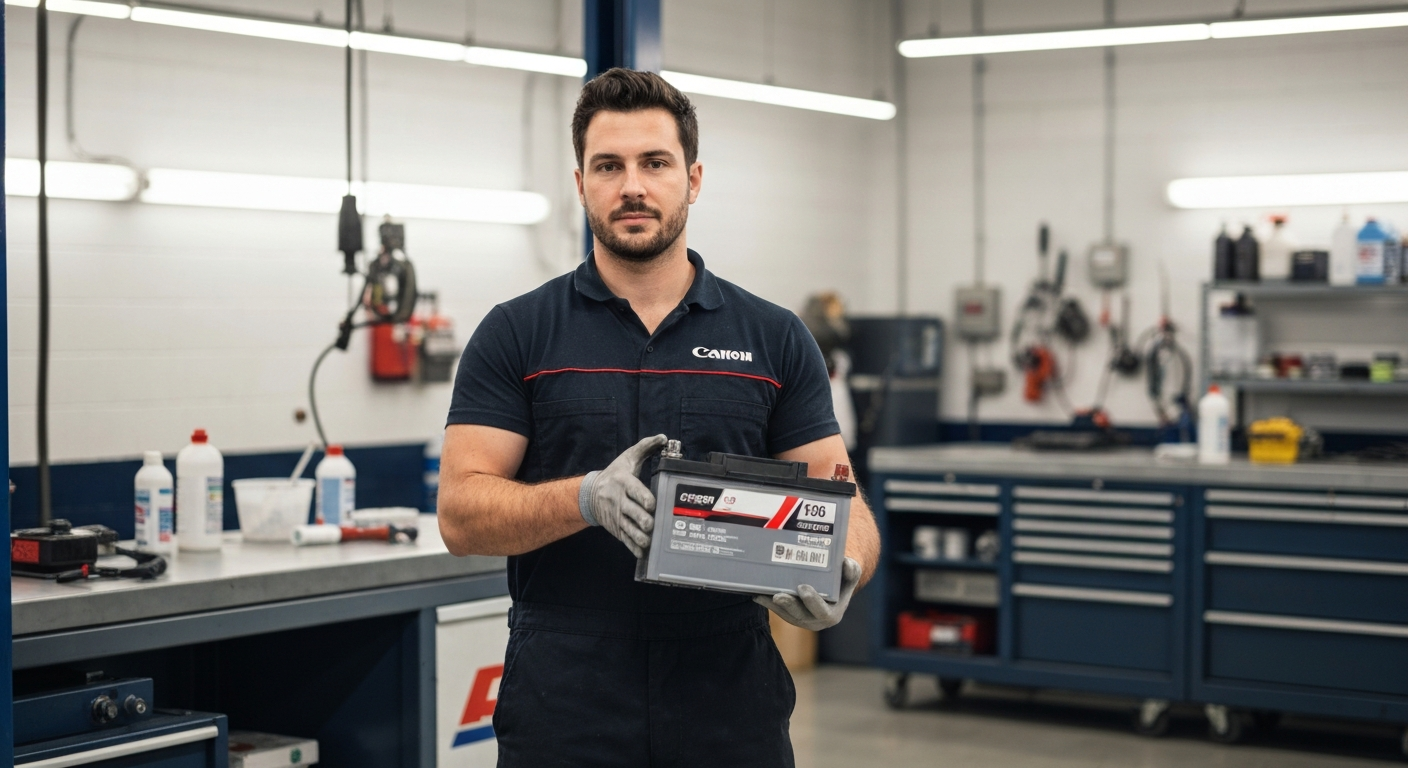
Your car’s battery is one of the most critical components in your vehicle. Without it, your engine simply won’t start. Yet many drivers don’t think about their battery until it fails unexpectedly, leaving them stranded on the side of the road. Understanding the signs of a failing battery, replacement costs, and maintenance tips can save you time, money, and frustration.
At Hyperion Auto Repair in Los Angeles, we’ve been helping drivers maintain their vehicles since 1985. In this comprehensive guide, we’ll cover everything you need to know about car battery replacement, from warning signs to costs to the professional service process.
Your Car Battery: Why It Matters
A car battery serves as the electrical heart of your vehicle. It stores electrical energy that the starter motor converts to mechanical energy to crank your engine. Your battery also powers all the electrical components in your car—your lights, windshield wipers, stereo, and climate control system.
Think of your battery like your phone’s battery: it stores energy and depletes over time with use. Just as you eventually need to replace your phone battery, your car battery will eventually need replacement. Regular battery testing and timely replacement ensure your vehicle starts reliably and prevents electrical system failures.
7 Warning Signs Your Battery Needs Replacement
The good news is that dying batteries often show warning signs before they fail completely. By recognizing these signs early, you can schedule a replacement before you’re stranded.
1. Slow Engine Cranking
If you turn your key and the engine cranks slowly before starting, your battery is likely losing its ability to hold a charge. Slow cranking means the battery isn’t delivering enough power to the starter motor. This is often the first sign that replacement is near.
2. Dim Headlights and Interior Lights
Dim headlights, especially when idling at a stoplight, indicate that your battery isn’t supplying adequate power to your electrical systems. Many drivers notice their interior dome light is dimmer than usual or doesn’t illuminate as brightly as it once did.
3. Clicking Sound When Starting
The distinctive clicking sound when you try to start your car—a rapid “click-click-click-click”—is often called a “starter click.” This occurs when there’s not enough electrical power to fully engage the starter motor, so it repeatedly tries and fails. This is a strong indicator your battery is dying.
4. Battery Warning Light on Dashboard
Modern vehicles have a battery warning light on the dashboard. If this light illuminates while driving, it indicates a problem with your battery or charging system. Don’t ignore this warning—get your battery tested immediately at a professional auto repair shop.
5. Difficulty Starting in Cold Weather
Cold temperatures dramatically reduce battery effectiveness. Batteries naturally lose about 50% of their starting power when temperatures drop to 0°F. If your car struggles to start on cold mornings, your battery may be near the end of its life. A healthy battery should start reliably even in freezing conditions.
6. Sulfur or Rotten Egg Smell
A battery leaking sulfuric acid produces a distinctive rotten egg smell. If you notice this odor near your battery or under the hood, it indicates internal battery damage. This is a serious safety issue that requires immediate professional attention.
7. Swollen or Bulging Battery Case
A swollen or bulging battery case indicates internal damage, overcharging, or exposure to excessive heat. Never touch a swollen battery—this is a safety hazard. This requires immediate replacement.
How Long Does a Car Battery Last?
Most car batteries last between 3 to 5 years, depending on several factors. Some high-quality batteries in ideal conditions may last up to 7 years, while others in harsh conditions may fail in as little as 2 years.
Factors that affect battery lifespan include:
- Climate: Hot climates reduce battery life significantly. Los Angeles’s heat can shorten battery life to 3-4 years. Cold climates are also challenging, as freezing temperatures reduce battery capacity.
- Driving habits: Frequent short trips prevent full battery charging. Long highway drives allow the charging system to fully recharge your battery.
- Electrical demands: Vehicles with high electrical demands (multiple aftermarket systems, frequent use of power windows/locks) drain batteries faster.
- Charging system condition: A faulty alternator or voltage regulator prevents proper battery charging, shortening lifespan.
- Maintenance: Clean battery terminals and secure cable connections improve performance and lifespan.
At Hyperion Auto Repair, we recommend battery testing every 2 years, especially as your battery approaches the 3-year mark. Our free multi-point inspection includes comprehensive battery testing to catch potential problems early.
Car Battery Replacement Cost in Los Angeles
The total cost of battery replacement in Los Angeles typically ranges from $150 to $400, depending on several factors.
Battery Cost
Replacement batteries typically cost between $100 and $300, depending on:
- Vehicle type: Luxury vehicles and high-performance cars often require more expensive batteries.
- Battery type: Standard lead-acid batteries are less expensive ($100-$150) than premium or lithium-ion alternatives ($200-$300+).
- Cold cranking amps (CCA): Batteries with higher CCA ratings (which provide more starting power) cost more.
- Brand: OEM (Original Equipment Manufacturer) batteries cost more than aftermarket options.
Installation Cost
Professional installation typically costs $50-$100. This includes battery testing, removal of the old battery, installation of the new battery, and terminal cleaning. At Hyperion Auto Repair, we always test your battery and charging system before and after replacement to ensure everything is working properly.
Warranty and Protection
Most replacement batteries come with a 3-year warranty. At Hyperion Auto Repair, we provide warranty coverage on all battery replacements, giving you peace of mind.
Types of Car Batteries
Understanding different battery types can help you make an informed replacement decision.
Lead-Acid Batteries (Standard)
Traditional lead-acid batteries are the most common type and the most affordable. They use lead plates immersed in sulfuric acid to store electrical energy. These batteries are reliable, proven technology with costs ranging from $100-$200. They typically last 3-5 years.
Premium Lead-Acid Batteries
Enhanced lead-acid batteries use improved materials and construction methods to provide better performance and longer lifespan (4-6 years). These cost more ($150-$250) but offer better reliability and performance in demanding conditions.
Lithium-Ion Batteries
Lithium-ion batteries are becoming more common in newer vehicles, especially hybrids and electric vehicles. These batteries are lighter, more efficient, and have longer lifespans (8-10 years) but cost significantly more ($200-$400+). They require specialized replacement procedures.
Hybrid and Electric Vehicle Batteries
Hybrid and EV batteries are specialized systems distinct from standard starter batteries. These batteries are much more complex and expensive, often requiring dealer service. Costs can range from several hundred to several thousand dollars, but these batteries often last the lifetime of the vehicle.
Car Battery Replacement Process
Understanding what happens during professional battery replacement helps you know what to expect when you bring your vehicle to Hyperion Auto Repair.
Step 1: Battery Testing
Before replacing your battery, we perform comprehensive testing using professional diagnostic equipment. This includes:
- Measuring battery voltage (should be approximately 12.6 volts when the engine is off)
- Testing starting power under load
- Checking the charging system and alternator output
- Inspecting battery terminals and cables for corrosion
This testing ensures we’re addressing the actual problem—sometimes a failing alternator creates battery symptoms, not the battery itself.
Step 2: Safe Removal of Old Battery
If replacement is needed, our ASE-certified technicians safely remove the old battery. This involves:
- Disconnecting the negative terminal first, then the positive terminal (proper sequence prevents electrical shock)
- Removing battery hold-down brackets
- Carefully removing the old battery (car batteries are heavy and contain hazardous materials)
- Disposing of the old battery responsibly (batteries are 99% recyclable)
Step 3: New Battery Installation and Verification
Installing the new battery involves:
- Cleaning battery tray and terminals
- Placing the new battery in the correct orientation
- Reconnecting the positive terminal first, then the negative terminal (reverse order from removal)
- Ensuring proper terminal connections are tight
- Installing battery hold-down brackets securely
- Testing the new battery and starting system
- Clearing any fault codes from the electrical system
The entire process typically takes 30-45 minutes for a standard battery replacement.
Extend Your Battery Life: Maintenance Tips
Regular maintenance can extend your battery’s lifespan and prevent unexpected failures.
Keep Your Battery Clean: Corrosion buildup on battery terminals reduces electrical connection. If you notice white, blue, or green crusty deposits on the terminals, have them cleaned professionally. Corrosion indicates acid leakage or oxidation that impedes power flow.
Minimize Electrical Drain: Leaving lights, radio, or climate control running while the engine is off drains your battery. This is especially damaging if your alternator isn’t functioning properly to recharge the battery.
Ensure Proper Charging System Function: Your alternator is responsible for recharging your battery while you drive. A faulty alternator won’t recharge your battery, quickly draining it. If you’re having alternator problems, address them immediately to protect your battery.
Regular Battery Testing: Professional battery testing can detect problems early. We recommend battery testing every 2 years and annually once your battery reaches 3 years old. Many battery failures can be prevented through early detection.
Park in Shade When Possible: Excessive heat accelerates battery degradation. When possible, park in covered parking or shade, especially in Los Angeles’s hot climate.
Professional Battery Service at Hyperion Auto Repair
When you need battery replacement, Hyperion Auto Repair offers professional, reliable service:
- Free Multi-Point Battery Inspection: We test your battery and charging system at no cost to determine if replacement is needed
- ASE-Certified Technicians: Our mechanics are certified by the National Institute for Automotive Service Excellence, ensuring expert workmanship
- Warranty on All Replacements: We stand behind our work with warranty coverage on all battery replacements
- Same-Day Service Available: In most cases, we can replace your battery the same day you call
- Proper Recycling: We responsibly recycle your old battery, keeping hazardous materials out of the environment
- Transparent Pricing: We provide clear pricing upfront with no hidden charges
Hyperion Auto Repair has been trusted by Los Angeles residents since 1985 because we put customer service first. We’re located at 1845 Hyperion Avenue in Los Angeles, and our team is ready to help with your battery replacement needs.
Need a Battery Replacement? Contact Hyperion Auto Repair Today
Don’t wait for your battery to fail and leave you stranded. If you’re experiencing any warning signs—slow cranking, dim lights, clicking sounds, or your battery is over 3 years old—contact us for a free battery inspection.
Call Hyperion Auto Repair at (323) 667-3180 or visit us online to schedule your appointment today.
We’re committed to keeping your vehicle running reliably with professional, honest service. Whether it’s routine battery replacement or complex electrical diagnostics, you can trust Hyperion Auto Repair with your automotive needs.