Collision Auto Repair Near Me: Complete Guide to Expert Service in Los Angeles
When your vehicle is involved in a collision, every moment counts. Whether it’s a minor fender bender or a serious accident, finding reliable collision auto repair near you becomes your priority. This comprehensive guide will help you understand what collision repair entails, what to expect throughout the process, and how to choose the right repair shop in the Los Angeles area.
What Happens When Your Vehicle Is Hit
The minutes and hours immediately following a collision are critical. After ensuring everyone’s safety and contacting authorities if needed, your next step should be to get your vehicle assessed by a professional shop. But what exactly happens during this initial assessment?
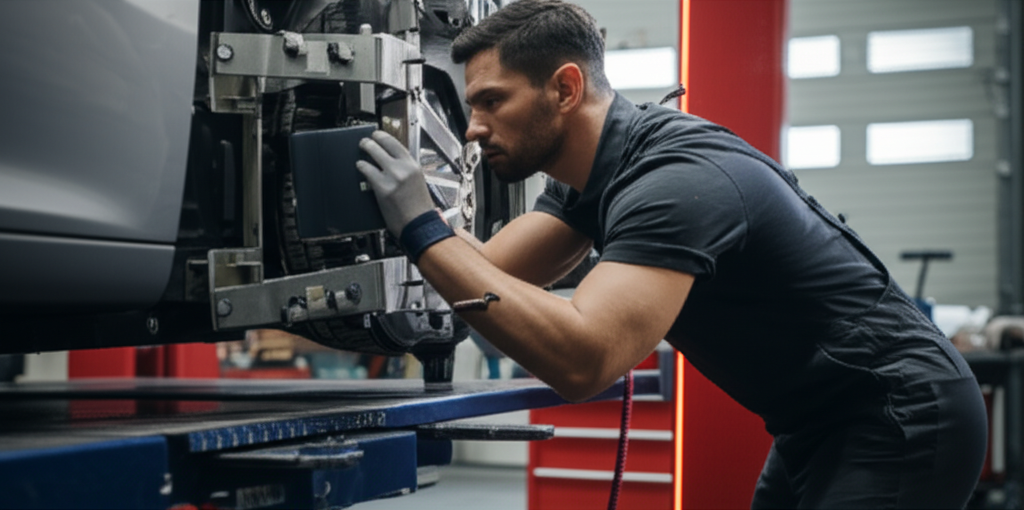
When you bring your vehicle to a collision repair center, technicians conduct a thorough damage evaluation. This isn’t just about visible dents and scratches. Professional collision specialists look beyond the surface to identify structural damage, frame misalignment, and hidden damage to critical systems. This is where a multi-point inspection after collision becomes invaluable—it ensures every component gets checked, from the frame to the engine to suspension systems.
Why does this matter? Incomplete damage assessment can lead to safety issues down the road. A vehicle that appears to have minor damage might have bent frame rails that affect handling and stability. Proper assessment protects you, your passengers, and your investment.
Understanding Collision Auto Repair Services
Collision repair encompasses far more than just cosmetic fixes. It’s a specialized discipline that combines craftsmanship with technical precision. Here’s what professional collision repair typically includes:
Frame Straightening and Alignment
Your vehicle’s frame is its structural backbone. Modern collision centers use advanced equipment and techniques to restore frames to factory specifications. Frame straightening and structural alignment is one of the most critical aspects of collision repair, ensuring your vehicle handles safely and performs as designed.
Body Panel Repair and Replacement
Damaged panels might be repaired if the damage is minor, or replaced if structural integrity is compromised. Professionals evaluate each panel to determine the best approach, always prioritizing safety.
Paint Matching and Finishing
Generally, modern automotive paint is multi-layered and highly specialized. Professional shops have color-matching technology that ensures seamless finishes, making repairs virtually invisible. This attention to detail protects your vehicle’s resale value.
Structural Component Repair
Beyond the frame, collision impacts affect suspension components, undercarriage systems, and more. Each component must be assessed and restored to original specifications. Extensive collisions may also require suspension system damage assessment to identify secondary damage caused by the impact.
The Collision Repair Process
Understanding the repair process demystifies what happens to your vehicle and why quality repairs take time. Here’s what professional collision repair involves:
Step 1: Initial Assessment and Damage Estimation
The technician photographs, measures, and documents all damage. They compare findings against factory specifications to create a comprehensive repair plan and estimate.
Step 2: Parts Sourcing and OEM Standards
Professional shops source quality parts—whether original equipment manufacturer (OEM) parts or quality aftermarket alternatives. The commitment to OEM standards means parts that fit perfectly and meet safety specifications.
Step 3: Repair and Reconstruction
Technicians follow factory repair procedures, using specialized equipment and techniques. Modern collision centers invest in laser measuring systems, frame straightening equipment, and computerized alignment technology.
Step 4: Quality Inspection and Testing
Before your vehicle leaves the facility, it undergoes rigorous quality checks. This includes frame measurements, suspension alignment, electrical system testing, and more. Nothing leaves until it meets or exceeds factory standards.
Step 5: Final Cleanup and Delivery
Your vehicle is cleaned inside and out, and you receive a full walkthrough of the completed work. Professional shops provide documentation of all repairs performed.
Choosing the Right Collision Repair Shop
Not all collision repair shops are created equal. Here’s what to look for when selecting a repair facility in the Los Angeles area:
ASE Certifications
ASE (Automotive Service Excellence) certifications demonstrate that technicians have been certified in collision repair expertise. Shops with ASE-certified technicians bring verified expertise to your vehicle.
OEM Certifications
Major automakers (BMW, Honda, Toyota, Ford, etc.) offer certification programs. OEM-certified shops have completed manufacturer training and can perform warranty-acceptable repairs on specific makes and models.
Warranty Protection
Reputable shops stand behind their work with warranties on parts and labor. This protection gives you peace of mind and recourse if issues arise post-repair.
Communication and Transparency
Professional shops keep you informed throughout the repair process. You should receive regular updates, photos, and explanations of any additional damage discovered during tear-down.
Turnaround Time
While you want quality over speed, professional shops manage timelines efficiently. Your repair shop should provide realistic timelines and stick to them.
Insurance and Collision Repair
Most collision repairs involve insurance claims. Understanding the process removes stress and ensures you’re treated fairly:
Working with Insurance Companies
Many professional repair shops are in direct repair programs (DRP) with major insurance companies. This means they have established relationships, expedited claims processing, and sometimes flexibility on pricing.
Understanding Deductibles
Your insurance policy includes a deductible—typically in the range of $500 to $1,000. You pay this amount, and insurance covers the rest (up to your policy limits).
Navigating the Claims Process
Your repair shop often works with your insurance adjuster, handling much of the paperwork. However, understanding the basics helps you advocate for yourself if discrepancies arise between damage and coverage estimates.
Common Misconceptions About Collision Repair
Aftermarket vs. OEM Parts
You might hear that aftermarket parts are “just as good.” Quality aftermarket parts can be fine for cosmetic components, but for structural and safety-critical parts, OEM parts offer the reliability and fit that professional shops recommend.
Mobile Repair Limitations
While mobile repair services exist, collision damage requires a fully equipped facility. Frame straightening, welding, paint booths, and alignment racks can’t be replicated on a parking lot. Reserve mobile services for touch-ups and minor dents, not collision repairs.
Cost Variations
Repair costs vary significantly based on damage severity, vehicle make/model, parts availability, and shop location. Always get multiple estimates before deciding, as prices can vary dramatically even in the same area.
Why Professional Collision Repair Matters
Your safety and your investment depend on quality collision repair. Poor repairs can result in:
- Safety Issues: Structural inadequacies affect crash protection in future accidents
- Handling and Performance Problems: Misaligned frames generally cause uneven tire wear and poor handling
- Electrical and Mechanical Issues: Improper repairs can result in damage to hidden systems and cause unexpected failures
- Reduced Resale Value: Buyers are cautious about vehicles with prior collision damage, especially poor repairs
Professional collision repair protects you in all these areas. When you choose a certified shop like Hyperion Auto Repair, you’re investing in safety, longevity, and resale value.
Your Collision Repair Checklist
Before selecting a shop and signing off on repair work, use this checklist:
- ☐ Get estimates from at least 2-3 shops
- ☐ Verify ASE and OEM certifications
- ☐ Ask about warranty on parts and labor
- ☐ Request a detailed, written estimate with parts breakdown
- ☐ Confirm they’re in your insurance company’s DRP (if needed)
- ☐ Ask about communication frequency and progress updates
- ☐ Request a pre-repair walkthrough to discuss additional findings
- ☐ Ensure they provide a post-repair inspection report
- ☐ Get maintenance recommendations for systems affected by the repair
Conclusion
Collision auto repair is a significant investment, but choosing the right shop ensures your vehicle is restored to original specifications safely and reliably. Look for certified technicians, transparent communication, quality parts, and comprehensive warranties. When you’ve experienced a collision, the goal isn’t just to make your vehicle look good—it’s to ensure it’s safe and will serve you reliably for years to come.
At Hyperion Auto Repair in Los Angeles, our ASE-certified technicians have been providing expert collision repair since 1985. We offer free multi-point inspections, work directly with insurance companies, and warrant all our repairs. If you’ve experienced a collision, contact Hyperion Auto Repair at (323) 667-3180 to schedule your assessment and get started with professional collision repair.