
Dead Car Battery Symptoms: A Complete Guide for Los Angeles Drivers
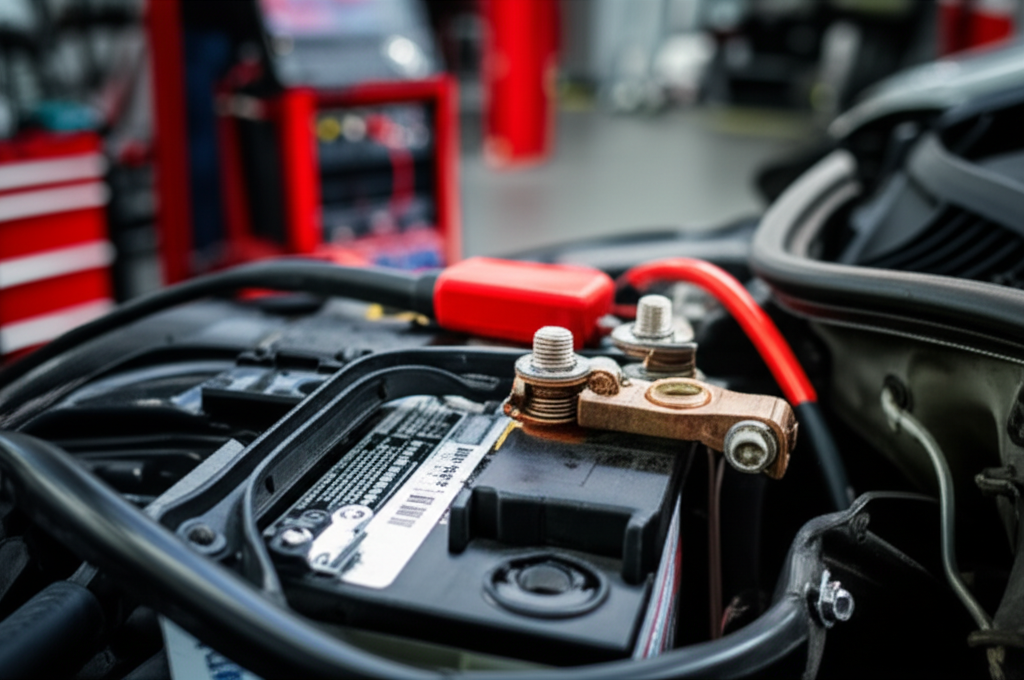
Introduction: Why Understanding Battery Symptoms Matters
Being stranded with a dead car battery is one of the most frustrating automotive experiences—especially when you’re in a rush to get somewhere important. Whether you’re stuck in Los Angeles traffic on the way to work or late to an appointment, a dead battery can derail your entire day. But the good news is that your car usually gives you warning signs before it completely fails.
For Los Angeles drivers, battery problems are particularly common due to our region’s unique climate challenges. The extreme summer heat—often exceeding 95°F—accelerates battery degradation and increases the risk of sudden failure. Combined with LA’s notorious traffic and short commutes, many drivers don’t give their alternator enough time to fully recharge their batteries.
At Hyperion Auto Repair, we’ve been helping Los Angeles families avoid battery emergencies since 1985. One of the best ways to prevent a breakdown is to recognize the early warning signs of battery failure. And that’s exactly what this guide will help you do. We’ll walk you through the most common symptoms, explain what causes them, and show you how to get your battery tested and replaced before it leaves you stranded.
Why It Matters: Early detection is the key to preventing dead batteries. Our ASE-certified technicians recommend our free multi-point inspection to catch battery issues before they become emergencies. Many of our customers are surprised to learn that their battery showed warning signs weeks before it completely failed—but they didn’t know what to look for.
What Causes Car Batteries to Die
Understanding why batteries fail helps you recognize when problems are developing. Here are the main culprits behind dead batteries:
Age: Most car batteries are designed to last between 3 and 5 years. As your battery ages, the chemical compounds inside break down, reducing its ability to hold a charge. If your battery is approaching the 3-year mark, it’s worth monitoring closely.
Temperature Extremes: This is especially important for Los Angeles drivers. While cold weather reduces a battery’s cranking power (making it harder to start the engine in winter), heat is actually more damaging to batteries long-term. The extreme summer temperatures in LA accelerate the chemical reactions inside your battery, causing faster internal corrosion and reduced lifespan.
Parasitic Drain: This occurs when electrical components draw power from your battery even when the engine is off. Examples include a stuck relay, faulty alternator, or poorly installed aftermarket accessories that aren’t properly wired. In some cases, even leaving your headlights on overnight can cause significant drain.
Short Drives and Inconsistent Use: If you mostly make short trips around Los Angeles, your alternator may not have enough time to fully recharge your battery. The alternator needs sustained driving (typically 20+ minutes) to restore what was used during startup. If you primarily drive to nearby destinations, your battery stays partially discharged, stressing it and shortening its lifespan.
Faulty Charging System: Problems with your alternator, voltage regulator, or charging system wiring can prevent your battery from being charged while driving. This is why we always test the charging system when diagnosing battery problems at Hyperion Auto Repair.
Leaving Electronics On: Forgetting to turn off your headlights, interior lights, or accessory power when the engine is off will eventually drain your battery completely. Modern cars can drain a battery in 12-24 hours if you leave the lights on.
7 Warning Signs Your Battery Is Dying
Your car typically gives you clear warning signs before a battery completely fails. Here are the most common symptoms that indicate your battery needs attention:
1. Engine Won’t Start or Makes Clicking Sounds
The most obvious sign of battery trouble is when you turn the key and nothing happens. You might hear a single loud click or a series of rapid clicks from the engine compartment. This clicking sound means the starter motor isn’t getting enough electrical power to engage—a classic sign of a weak or dead battery.
In some cases, you may hear absolutely nothing at all—no cranking sound, no clicks, just silence. This typically indicates a completely dead battery or a loose battery cable.
2. Slow Engine Crank
If your engine takes longer than usual to turn over, your battery is losing its ability to deliver power quickly. Instead of the engine firing up immediately, you’ll notice it takes several seconds of cranking before the engine starts—or it may not start at all after several attempts.
A slow crank is one of the earliest warning signs of battery trouble and should prompt you to get your battery tested right away. At Hyperion, we can diagnose this in minutes with our free multi-point inspection.
3. Dim or Flickering Headlights
Your headlights are one of the most power-hungry electrical components in your vehicle. When your battery is weak, the headlights will visibly dim—especially noticeable when you’re driving at night or in low-light conditions. Some drivers notice the lights flicker as the battery struggles to deliver consistent power.
4. Interior Lights Dimming or Flickering
Similar to headlights, interior lights (dashboard lights, cabin lights, gauge cluster) will dim when battery power is low. You might notice the interior lights flicker when you turn on the headlights, indicating that the battery doesn’t have enough power to supply both systems simultaneously.
5. Clicking Sound When Turning the Ignition Key
This distinct clicking sound is one of the most common battery symptoms. It happens because the starter motor is drawing power, but the battery doesn’t have enough charge to sustain it. Each click represents the starter motor trying and failing to engage. The faster the clicks, the weaker your battery is.
6. Electrical Components Failing
Your power windows, locks, radio, seat warmers, and air conditioning system all depend on battery power (especially when the engine isn’t running). If these components suddenly stop working or operate erratically, your battery may be the culprit.
For example, you might notice your power windows work slowly, your radio cuts out, or your AC fan runs at reduced speed. These are signs that electrical power is being rationed because the battery is weak.
7. Battery Warning Light on Dashboard
Modern vehicles have a battery or charging system warning light on the dashboard. If this light illuminates while driving, it could indicate a problem with your battery, alternator, or charging system. Don’t ignore this warning—get your vehicle checked immediately. In some cases, the light stays on even after the engine starts, which requires professional diagnosis.
Understanding Battery Terminal Corrosion
One of the most visible signs of battery trouble is corrosion on the battery terminals. This white, blue, or greenish crusty buildup forms due to chemical reactions between the battery acid and the metal terminals.
Why Corrosion Happens: Battery terminals contain lead and lead dioxide. When exposed to the acidic environment inside the battery (and sulfuric acid vapors), these metals oxidize, creating corrosion. In Los Angeles’s humid climate, this happens even faster than in drier regions.
How to Identify Corrosion: Open your hood and look at the battery terminals. You’ll see battery cable connections on top of the battery. If there’s white, blue, or green crusty buildup around these connections, you have terminal corrosion.
Impact on Performance: Corrosion creates a barrier between the battery terminal and the cable, increasing electrical resistance. This prevents the battery from delivering full power to the starter, alternator, and other electrical systems. Even a small amount of corrosion can significantly reduce battery performance.
DIY Cleaning: You can clean minor corrosion yourself using baking soda and water. Disconnect the negative cable first, then mix baking soda with water to form a paste. Use an old toothbrush to gently scrub the terminals and cable ends. Rinse with distilled water and dry thoroughly. Apply a thin layer of petroleum jelly to prevent future corrosion. However, if you’re not comfortable working with batteries, our ASE-certified technicians at Hyperion can clean your terminals as part of our free inspection.
Prevention: Keeping your battery terminals clean and protected is essential maintenance. Regular inspections help catch corrosion early before it impacts performance.
How to Test Your Battery at Home
Before you assume your battery is dead, you can perform some basic tests to confirm the issue. Here’s what you can check:
Voltage Test with a Multimeter
A multimeter is an inexpensive tool (under $20) that measures electrical voltage. Here’s how to test your battery:
- Set the multimeter to DC Voltage mode
- Connect the red probe to the positive terminal and the black probe to the negative terminal
- Read the voltage
A healthy battery voltage is generally 12.4 to 12.7 volts when the engine is off. If your reading is below 12 volts, your battery needs charging or replacement. Any reading below 11.5 volts indicates a seriously depleted battery.
The Headlight Test
Turn on your headlights with the engine off. Bright lights indicate a healthy battery. Dim lights suggest your battery is weak. This quick test can give you a general idea of your battery’s condition.
The Interior Light Test
Turn on your interior lights and watch them as you engage the starter. If the lights dim significantly or go out entirely, your battery doesn’t have enough power to crank the engine and run accessories simultaneously—a sign of weakness.
When to Seek Professional Testing
While these home tests can give you a quick assessment, professional battery testing is more comprehensive. At Hyperion Auto Repair, our diagnostic equipment can test:
- Battery voltage under load
- Battery capacity
- Charging system output
- Alternator performance
This comprehensive testing costs nothing with our free multi-point inspection and gives you accurate information about whether your battery needs replacement or just recharging.
What to Do If Your Car Battery Dies
If your battery dies, don’t panic. Here are your options:
Jump-Starting Your Vehicle
Jump-starting is the quickest way to get back on the road. You’ll need jumper cables and another vehicle with a working battery, or a portable jump starter.
Safe Jump-Starting Steps:
- Position vehicles so cables can reach between batteries (but not touching)
- Turn off both engines
- Connect red cable to positive terminal of dead battery, then to positive terminal of working battery
- Connect black cable to negative terminal of working battery, then to an unpainted metal surface on your car’s engine (NOT the negative terminal)
- Start the working vehicle and let it run for 2-3 minutes
- Start your vehicle
- Remove cables in reverse order
The reason for step 4 is to avoid sparks that could ignite battery hydrogen gas.
Using a Portable Jump Starter
These battery-powered devices are becoming increasingly popular and work great for emergencies. Follow the manufacturer’s instructions carefully.
Calling Roadside Assistance
If you don’t have jumper cables or another vehicle available, AAA and other roadside assistance services can jump-start your car (or tow you to a repair facility).
Next Steps After Jump-Start
After a successful jump-start, drive your vehicle for at least 20-30 minutes to give the alternator time to recharge the battery. Avoid turning off the engine immediately. Then get your battery tested as soon as possible—if it dies once and you need a jump-start, it likely needs replacement.
Los Angeles Weather and Battery Health
Los Angeles drivers face unique battery challenges due to our climate:
Extreme Summer Heat: Our summer temperatures regularly exceed 95°F, and in some areas, they reach 110°F+. Heat accelerates the chemical reactions inside your battery, causing faster internal corrosion and water loss. This is why LA batteries often fail sooner than batteries in cooler climates.
Traffic Patterns: LA’s infamous traffic means many drivers spend hours on the road without sustained driving. Sitting in traffic with the AC running while the car moves slowly doesn’t give your alternator sufficient time to recharge your battery between stops.
Humidity and Corrosion: Despite LA’s reputation for being dry, the coastal areas experience humidity that accelerates terminal corrosion.
Seasonal Maintenance for LA Drivers:
- Have your battery tested annually (not just when it’s failing)
- Keep terminals clean, especially before summer
- Park in the shade when possible to reduce heat exposure
- Avoid leaving your vehicle unused for extended periods
Why Professional Battery Testing Matters
While DIY tests can give you a quick assessment, professional testing reveals much more:
What Professional Tests Show:
- Battery voltage (at rest and under load)
- Actual battery capacity vs. rated capacity
- Charging system voltage
- Alternator output
- Whether the problem is the battery or the charging system
This distinction is crucial. Sometimes what seems like a dead battery is actually a faulty alternator that isn’t recharging the battery. If you replace the battery without fixing the alternator, you’ll have the same problem in a few weeks.
Why Hyperion’s Free Multi-Point Inspection is Valuable
Hyperion Auto Repair offers free multi-point inspections to all customers. Our ASE-certified technicians will test your battery and entire electrical system at no charge. This allows you to:
- Get an accurate diagnosis before spending money
- Identify problems before they leave you stranded
- Understand whether replacement or repair is needed
- Get expert advice from technicians with decades of experience
Our family-owned shop has been serving Los Angeles since 1985. We stand behind our work with warranties on all repairs, and we pride ourselves on honest, transparent service.
Preventing Battery Problems: Long-Term Tips
The best approach to battery problems is prevention. Here are proven strategies to extend your battery life:
Drive Regularly
Take longer drives when possible. Your alternator needs sustained driving (20+ minutes) to fully recharge your battery. If you mostly drive short distances, make an effort to take occasional longer trips around Los Angeles.
Turn Off Electronics When the Engine Is Off
Always remember to turn off your headlights, interior lights, and accessories when you exit the vehicle. Modern cars won’t remind you like older vehicles did.
Schedule Regular Inspections
We recommend having your battery tested at least once per year, especially before summer and winter. This catches problems early before they become emergencies. At Hyperion, we make this easy with our free multi-point inspection.
Protect Your Battery from Extreme Temperatures
Park in the shade or garage when possible. If you don’t have a garage, use a car cover to reduce sun exposure. In winter (if you travel to cold climates), battery blankets can help maintain performance.
Keep Terminals Clean
Inspect your battery terminals every few months. Clean any corrosion immediately using the baking soda method described earlier.
When It’s Time to Replace Your Battery
Most car batteries need replacement every 3-5 years. Here are signs that replacement is necessary:
Age: If your battery is more than 3 years old and showing weak symptoms, replacement is likely the best solution. Repairing an old battery usually isn’t cost-effective.
Failed Tests: If professional testing shows your battery consistently won’t hold a charge, replacement is the only real solution.
Persistent Weak Cranking: If jump-starting only helps for a few days before the same problem returns, your battery is failing.
Cracked or Swollen Case: If the battery case is visibly damaged, it needs replacement immediately due to safety concerns.
Hyperion’s Battery Replacement Service
At Hyperion Auto Repair, we:
- Test your existing battery before recommending replacement
- Source quality replacement batteries
- Install your battery correctly
- Warranty all battery replacements
- Dispose of your old battery responsibly
We work with all vehicle types and battery specifications. Our ASE-certified technicians ensure proper installation and system testing.
Conclusion: Don’t Wait—Get Your Battery Checked
A dead car battery doesn’t have to ruin your day or leave you stranded in Los Angeles traffic. By recognizing the warning signs of battery failure, you can get professional service before your battery completely fails.
Key Takeaways:
- Slow cranking, dim lights, and clicking sounds are early warning signs
- Battery terminal corrosion should be addressed immediately
- Professional testing reveals whether you need battery replacement or charging system repair
- Los Angeles’s heat accelerates battery wear—make testing part of your regular maintenance
Take Action Today
Don’t wait for a dead battery emergency. Schedule your free multi-point inspection at Hyperion Auto Repair. Our ASE-certified technicians will test your battery and entire electrical system at no charge. We’ve served Los Angeles families and businesses since 1985 with honest, reliable service and warranties on all repairs.
Contact Hyperion Auto Repair:
- Phone: (323) 667-3180
- Address: 1845 Hyperion Avenue, Los Angeles, CA 90027
- Free Multi-Point Inspection: No obligation, no pressure
If you need more information about car battery replacement or alternator repair in Los Angeles, check out our comprehensive guides.
Professional auto care you can trust—that’s the Hyperion difference.