
Flashing Check Engine Light: What It Means and Why Immediate Action Matters
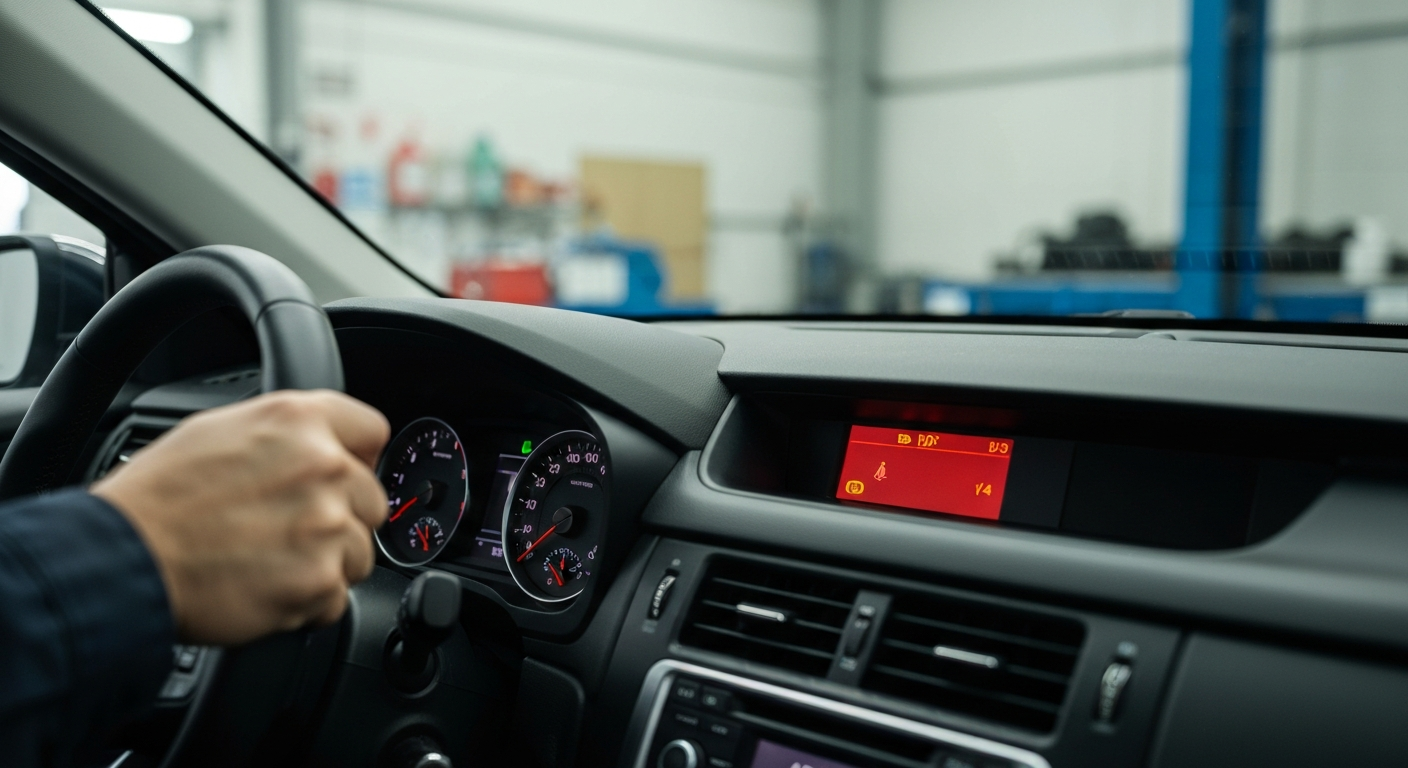
Your dashboard light suddenly starts flashing. Your heart sinks. Most drivers don’t realize there’s a critical difference between a steady check engine light and a flashing check engine light—and that difference could cost you thousands in repairs.
A flashing check engine light is your vehicle’s emergency warning system in action. It’s not a “you can drive to the shop later” situation. It’s a “stop driving now” emergency that signals your engine is misfiring—meaning one or more cylinders are failing to burn fuel properly. Right now, with every revolution of your engine, your catalytic converter is being damaged.
At Hyperion Auto Repair, our ASE-certified technicians have diagnosed and fixed thousands of check engine light issues for Los Angeles drivers. In this guide, we’ll explain what your flashing light really means, why immediate action is critical, and exactly what you should do next.
Steady vs. Flashing Check Engine Light: The Critical Difference
Here’s the distinction that every driver needs to understand:
- Steady Check Engine Light: Your vehicle’s onboard diagnostics detected a parameter outside the normal range. The code is logged, but no active emergency is occurring. You should schedule service soon—within a few days—but you can generally drive to the mechanic safely. Read more about check engine light causes to understand what a steady light might indicate.
- Flashing Check Engine Light: Your vehicle is currently experiencing an engine misfire. This is happening RIGHT NOW. An active fault condition is occurring that can cause serious damage in minutes. The flashing is your car’s way of saying “STOP DRIVING.”
The difference comes down to severity. A steady light is a warning. A flashing light is a red alert.
Top Causes of a Flashing Check Engine Light
A flashing check engine light almost always indicates engine misfire. But what causes misfire? Here are the most common culprits:
1. Faulty or Worn Spark Plugs
Spark plugs ignite the fuel-air mixture in each cylinder. When they fail or become contaminated with carbon deposits, they can’t create a strong enough spark. Result: misfire. This is the #1 cause of flashing check engine lights, which is good news—spark plugs are relatively affordable to replace ($100-$300 for most vehicles).
2. Bad Ignition Coils
Ignition coils create the high voltage needed to fire spark plugs. A failing coil means no spark, which means no combustion in that cylinder. You might experience rough idling or hesitation even before the light flashes. Coil replacement typically costs $200-$400 per coil.
3. Failing Oxygen Sensors
Your oxygen sensors tell your engine’s computer how much fuel to inject. When they fail, the fuel-air mixture becomes too rich or too lean, causing incomplete combustion and misfire. A faulty oxygen sensor costs $200-$400 to replace but will also hurt your fuel economy.
4. Engine Misfiring in One or More Cylinders
Sometimes the misfire is caused by mechanical issues: worn piston rings, leaking valve seals, or carbon buildup in the combustion chamber. These require more extensive diagnosis but are critical to address.
5. Fuel System Problems
A failing fuel injector or clogged fuel filter can starve cylinders of fuel, causing misfire. If your vehicle also smells like raw fuel or has difficulty starting, fuel system issues are likely.
6. Intake Valve Carbon Buildup
Over time, carbon deposits accumulate on intake valves, reducing air flow to the cylinders. This disrupts the combustion process and triggers misfire, particularly under acceleration.
Professional diagnosis is essential because the same symptoms can have different root causes. At Hyperion Auto Repair, we perform comprehensive testing to identify the exact problem and recommend the most cost-effective solution. Learn more about our engine repair services.
Is It Safe to Drive with a Flashing Check Engine Light?
Short answer: No.
Here’s why driving with a flashing check engine light is extremely risky:
- Catalytic Converter Damage: Unburned fuel flows into your catalytic converter. The heat builds, and the cat can overheat and fail. Replacing a catalytic converter costs $1,000-$3,000+. By driving even a few miles with a flashing light, you could turn a $300 spark plug problem into a $2,500 problem.
- Engine Damage: Continued misfiring can damage pistons, rings, and cylinder walls. Extended driving risks engine failure requiring complete rebuilding.
- Reduced Power: Misfire means your engine is running on fewer than all cylinders. You’ve lost power, and acceleration is sluggish—making highway driving unsafe.
- Emissions System Damage: Beyond the catalytic converter, the oxygen sensors and emissions sensors take hits. Each component is expensive to replace.
- Potential Stalling: In worst cases, severe misfire can cause the engine to stall completely, leaving you stranded.
The math is simple: Stop driving immediately to protect your $1,000-$3,000 catalytic converter. Don’t risk turning a small repair into a major failure.
What Should You Do Immediately?
If your check engine light starts flashing, follow this action plan:
Step 1: Stop Driving Safely
As soon as you notice the flashing light, safely pull over to the right shoulder. If you’re on a highway, get to an exit and find a safe location to stop. Do not continue driving.
Step 2: Turn Off the Engine
Once parked safely, shut off the engine. Let it cool for a few minutes. Do not attempt to restart it repeatedly, as this increases damage to the catalytic converter.
Step 3: Look for Obvious Issues (Only If Safe)
If you’re on a side street, not a busy highway, safely check:
- Is your gas cap loose or missing? A loose gas cap can sometimes trigger a check engine light. Tighten it securely.
- Do you smell fuel? Raw fuel smell suggests a fuel system issue.
- Do you see any visible fluid leaks under the engine?
Don’t spend more than 30 seconds on this. Safety first.
Step 4: Call for Towing
Do not attempt to drive to a mechanic. Call for professional towing. Most modern cars have roadside assistance (check your insurance policy), or call a local tow truck service.
Step 5: Contact Hyperion Auto Repair
Call us immediately at (323) 667-3180 to let us know you’re experiencing a flashing check engine light and that you’ll be towing your vehicle to us. We offer free multi-point inspections and can often diagnose the issue within 30-60 minutes.
We’re open 6 days a week and handle emergency diagnostics with priority. As a family-owned shop serving Los Angeles since 1985, we understand the stress of a broken-down vehicle. Our ASE-certified technicians will get to the root cause quickly.
Common Misfire Codes Explained
When your vehicle’s diagnostic system detects a misfire, it stores a code. Here are the most common ones you’ll see:
- P0300 – Random/Multiple Cylinder Misfire: The engine is misfiring, but the computer can’t pinpoint which cylinder(s). Usually indicates a widespread issue like bad fuel, old spark plugs, or a major ignition problem.
- P0301 – Cylinder 1 Misfire
- P0302 – Cylinder 2 Misfire
- P0303 – Cylinder 3 Misfire
- P0304 – Cylinder 4 Misfire
- … (and so on for additional cylinders)
When the code specifies a single cylinder (P0301-P0308), it points to a problem in that specific cylinder: bad spark plug, failing coil pack, low compression, or leaking fuel injector.
- P0171 – System Too Lean (Bank 1) or P0174 – System Too Lean (Bank 2): The fuel-air mixture is too lean (not enough fuel). Often caused by oxygen sensor failure or vacuum leak.
- P0130-P0167 – Oxygen Sensor Codes: Indicate a failing oxygen sensor that’s causing the misfire indirectly.
These codes are what trigger the flashing light. Professional diagnostic equipment reads them and helps us identify the exact problem.
How Our ASE-Certified Technicians Diagnose Flashing Check Engine Light
When you bring your vehicle to Hyperion Auto Repair, here’s how we diagnose the issue:
1. Complete Code Read
We plug into your vehicle’s diagnostic port using professional OBD-II scanner equipment. We read all stored codes and pending codes—not just the one triggering the check engine light.
2. Visual Inspection of Ignition System
We inspect spark plugs, ignition coils, spark plug wires (if equipped), and connections. Often, visual inspection combined with the codes pinpoints the problem immediately.
3. Compression Test (If Needed)
If mechanical issues are suspected, we perform a compression test on each cylinder to ensure proper ring sealing and valve function.
4. Fuel Injector and Sensor Testing
We test fuel injector pulse, oxygen sensor voltage response, and other sensor data in real-time to ensure they’re operating correctly.
5. Fuel System Pressure Test (If Needed)
For fuel-related misfires, we measure fuel pressure to ensure the fuel pump is delivering adequate pressure.
Our ASE-certified technicians combine modern diagnostic equipment with decades of hands-on experience. Most flashing check engine light diagnoses take 30-60 minutes, and we’ll provide a detailed repair estimate before we begin work.
Cost of Repairs for Engine Misfire
Costs vary widely depending on the root cause. Here’s a realistic breakdown:
- Spark Plugs: $100-$300 total (includes labor)
- Ignition Coil Pack: $200-$400 per coil (4 coils might cost $800-$1,600)
- Oxygen Sensor: $200-$400 per sensor
- Fuel Injector: $300-$900 per injector
- Catalytic Converter (if damaged by misfire): $800-$3,000+
Here’s the bottom line: Early diagnosis saves money. If you address a flashing check engine light immediately, you’ll likely spend $200-$400 on spark plugs or coils. If you ignore it for 10 miles, you’ll add a $2,500 catalytic converter replacement to that bill.
This is why we emphasize: Stop driving. Get a tow. Call us now. The few hundred dollars in towing is cheap insurance against a multi-thousand-dollar repair.
Prevention: How to Avoid Flashing Check Engine Light Issues
The best way to handle a flashing check engine light is to prevent it. Regular maintenance keeps your engine healthy:
Follow Your Manufacturer’s Spark Plug Schedule
Most modern vehicles need spark plugs every 30,000-100,000 miles depending on the engine type. Check your owner’s manual. Spark plugs are cheap preventive medicine.
Use Quality Fuel
Cheap fuel with low-quality detergents is more likely to leave deposits in your fuel injectors and on your intake valves. Use Top Tier gasoline when possible (Shell, Chevron, Costco, etc.).
Get Regular Oil Changes
Clean oil prevents buildup and keeps your engine running smoothly. We recommend professional oil change service every 5,000-7,500 miles (or follow your manufacturer’s interval).
Address Check Engine Warnings Early
A steady check engine light is a warning. Schedule service within a few days. Early diagnosis prevents problems from escalating to the flashing light stage.
Don’t Ignore Rough Idle or Hesitation
If your engine feels rough when idling or hesitates during acceleration, that’s a sign of a developing misfire. Have it diagnosed before it becomes a full-blown problem.
Address Fuel Smell Immediately
If you smell raw fuel coming from your vehicle, get it to a mechanic right away. This indicates a fuel system problem that can worsen quickly.
Regular preventive maintenance costs a few hundred dollars per year. Ignoring it costs thousands. Hyperion Auto Repair’s ASE-certified technicians are experts in preventive maintenance that keeps your vehicle running reliably.
Why Choose Hyperion Auto Repair for Check Engine Light Diagnosis?
- ASE-Certified Technicians: Our team holds ASE certifications in all major specialties. You’re getting expert-level diagnosis and repair.
- Family-Owned Since 1985: Over 40 years of serving Los Angeles families and businesses. We’re trusted in the community because we earn that trust daily.
- Free Multi-Point Inspection: Bring your car in, and we’ll perform a thorough inspection at no charge, even if it’s just for peace of mind.
- Warranty on All Repairs: We stand behind our work. Every repair includes a warranty so you can drive with confidence.
- Fast Turnaround on Diagnostics: Flashing check engine light? We’ll have a diagnosis and estimate ready in 30-60 minutes. No guessing. No unnecessary parts replacement.
- Transparent Pricing: No surprise charges. We explain the problem in plain English and provide a detailed estimate before any work begins.
- Emergency Services: Vehicle broke down with a flashing light? We prioritize emergency diagnostics to get you back on the road safely.
Located at 1845 Hyperion Avenue in Los Angeles, we’re conveniently positioned to serve drivers throughout the city. Call us at (323) 667-3180 for immediate assistance.
Frequently Asked Questions About Flashing Check Engine Light
Q: Can I drive to a mechanic with a flashing check engine light?
A: No. A flashing check engine light indicates an active engine misfire that can damage your catalytic converter and engine with every mile driven. Call for towing instead.
Q: How long does check engine light diagnosis take?
A: Most diagnoses take 30-60 minutes. We read the codes, visually inspect components, and perform testing to identify the root cause. We’ll call you with findings and a repair estimate.
Q: Will the flashing light clear on its own?
A: The light may temporarily go off if the misfire is intermittent, but the underlying problem remains. The light will return. Without repair, you’re still damaging your catalytic converter.
Q: What’s the most common cause of a flashing check engine light?
A: Faulty or worn spark plugs. The good news: it’s one of the most affordable repairs, usually $100-$300.
Q: My check engine light is flashing, but the car seems to run fine. Should I still get it checked?
A: Yes. Even if the car feels fine, active misfire is occurring. You’re damaging the catalytic converter. Get it diagnosed and repaired immediately.
Q: Can I fix a flashing check engine light myself?
A: Replacing spark plugs or air filters might help if those are the cause, but diagnosing the real problem requires professional equipment. Guessing and replacing parts wastes money. Get professional diagnosis first.
Get Your Flashing Check Engine Light Diagnosed Today
If your check engine light is flashing right now, don’t drive any further. Call Hyperion Auto Repair immediately at (323) 667-3180.
We’ll help you arrange towing if needed, diagnose the problem, and get you a clear repair estimate. With over 40 years of trusted service to Los Angeles drivers, we’re your partner in keeping your vehicle reliable and safe.
Location: 1845 Hyperion Avenue, Los Angeles, CA 90027
Phone: (323) 667-3180
Hours: Open 6 days a week
Service: Free multi-point inspection + Warranty on all repairs