
How to Tell If Brake Pads Need Replacement: Complete Guide for Los Angeles Drivers
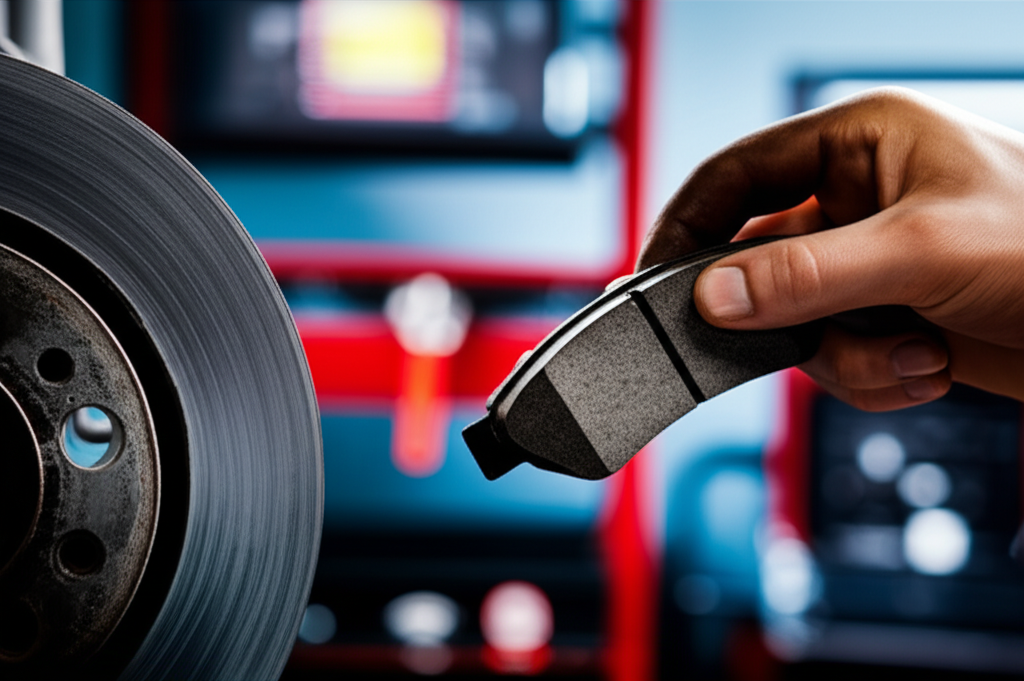
Your vehicle’s braking system is one of the most critical safety features—and brake pads are at the heart of that system. Yet many Los Angeles drivers don’t recognize the warning signs that their brake pads are wearing out until it’s too late. Driving on worn brake pads doesn’t just compromise your safety; it can damage expensive components like your rotors and drums, leading to costly repairs. The good news? Learning to identify the warning signs early can save you money and keep you safe on LA’s busy roads.
In this guide, we’ll walk you through the five key warning signs that your brake pads need replacement, explain how to inspect them yourself, and show you why professional service matters. By the end, you’ll know exactly what to listen and look for—and when to contact Hyperion Auto Repair’s ASE-certified technicians for a free multi-point inspection.
What Are Brake Pads and Why Do They Wear Out?
Before we dive into the warning signs, let’s understand what brake pads do and why they eventually need replacement.
Modern vehicles use two types of brake systems: disc brakes and drum brakes. Disc brakes—found on the front axles of all modern passenger vehicles and on the rear axles of many cars and trucks—use specially engineered pads made of organic, metallic, or ceramic friction material. When you press the brake pedal, these pads squeeze against a spinning rotor (or disc), creating friction that slows your vehicle.
Drum brakes, less common on newer vehicles, use similar friction material attached to half-moon shaped “shoes” that press against the inside of a drum.
Every time you brake, a tiny amount of friction material wears away from the pads. Over thousands of miles and thousands of stops, this material gradually becomes thinner. This is normal wear—but ignoring it leads to serious problems.
Under normal driving conditions, brake pads typically last between 30,000 to 35,000 miles in urban environments like Los Angeles, where frequent braking is the norm. On highways with light traffic, pads can last 80,000 miles or more. However, these are just averages. Drivers who frequently “ride the brake” or navigate mountainous terrain may need replacements sooner.
Warning Sign #1: Squealing or Screeching Noises When Braking
One of the earliest and most noticeable warning signs is a high-pitched squealing, screeching, or whining noise when you apply the brakes. This sound is intentional—a feature designed by manufacturers to alert you that your pads are wearing thin.
Here’s how it works: Many brake pads include a small metal wear indicator attached to the brake pad backing plate. As your pads thin, this metal tab makes contact with the rotor, creating a sound similar to dragging your fingernails across a chalkboard. It’s annoying on purpose—the manufacturers want you to notice it.
Important: Not all brake pads come with wear indicators, so don’t rely solely on sound. However, if you hear this noise regularly when braking, it’s time to bring your vehicle in for an inspection.
A note about moisture: After rain or in humid conditions, you might hear a similar screeching sound. Don’t panic—this is usually just moisture on the brake pads and will disappear after the first few times you use your brakes. If the sound persists, that’s a sign of actual wear.
Warning Sign #2: Visual Inspection Reveals Less Than ¼ Inch of Pad Thickness
You don’t always need a mechanic to inspect your brake pads. If you’re comfortable working around your vehicle, you can perform a basic visual inspection yourself.
Look through the wheel spokes at the brake assembly (caliper). You should see your brake pads compressed against the rotor. If the friction material appears less than ¼ inch thick—roughly the thickness of a credit card or about 7 millimeters—it’s time to schedule brake service. This is the industry standard minimum thickness before replacement is recommended.
For a more thorough inspection, you may need to remove the wheel, but the visual check through the wheel works for most situations. If you’re unsure about what you’re seeing, our ASE-certified technicians at Hyperion Auto Repair can provide a free multi-point inspection to give you a definitive answer.
Warning Sign #3: Deep Metallic Grinding or Rumbling Sounds
If you hear a deep, low-pitched grinding sound—like metal scraping against metal—when braking, this is a critical warning sign that demands immediate attention.
This sound indicates that your brake pad friction material has completely worn away, and the metal backing plate is now making direct contact with your rotor or drum. This metal-on-metal contact is dangerous for two reasons:
- It damages your rotors: Continued driving with metal-on-metal contact rapidly wears down your rotors, transforming what could have been a simple pad replacement into an expensive rotor replacement. When you need rotor service, brake rotor resurfacing becomes a necessary part of the repair.
- It compromises braking power: Without friction material, your brakes won’t function properly, increasing stopping distance and creating a serious safety risk.
If you hear grinding noises, don’t delay. Bring your vehicle in for professional service as soon as possible. Continuing to drive on grinding brakes risks brake failure, which can be catastrophic in heavy Los Angeles traffic.
Warning Sign #4: Dashboard Warning Light Illuminates
Many modern vehicles include an electronic brake pad wear monitoring system. If you see a brake warning light on your dashboard, check your owner’s manual to determine if it indicates low brake pad thickness.
When this light comes on, your pads are at or near the industry minimum thickness. You should plan for replacement soon. Keep in mind that when you replace your brake pads, you may also need to replace the warning sensors themselves, so factor that into your repair cost.
Don’t ignore dashboard brake warnings—they’re there for your safety and your vehicle’s protection.
Warning Sign #5: Longer Braking Distance or Soft Brake Pedal
If you notice that it takes longer to come to a complete stop, or if your brake pedal feels softer or spongier than usual, these can be signs of brake pad wear or other brake system issues.
Worn pads have less friction material, which means less stopping power. While this doesn’t always indicate an emergency, it’s a warning sign that your brakes need attention soon. Reduced braking performance is a serious safety concern, especially in urban driving where you’re braking frequently.
If you experience changes in how your brakes feel or respond, schedule an inspection promptly. Our ASE-certified technicians will diagnose the issue and recommend the appropriate repairs.
How Often Should You Inspect Your Brake Pads?
The best way to catch brake pad wear before it becomes a problem is through regular inspection:
- Annual inspections: Have your brake pads inspected at least once a year, or more frequently if you drive heavily in stop-and-go traffic.
- With oil changes: Many shops, including Hyperion Auto Repair, include brake pad inspection with routine professional brake service and multi-point inspections.
- During other service: Any time your vehicle is in the shop for service, ask your technician to inspect your brake pads and report their thickness.
- When you notice warning signs: Don’t wait for your scheduled maintenance if you notice any of the warning signs mentioned above.
Remember, the frequency of brake pad replacement depends on several factors: your driving environment, your driving habits, and the quality of your brake pads. Los Angeles drivers in heavy traffic typically replace pads more frequently than highway drivers.
Why You Shouldn’t Ignore Brake Pad Wear
Delaying brake pad replacement might seem like you’re saving money in the short term, but it actually costs you far more in the long run.
Here’s what happens when you ignore worn brake pads:
- Rotor damage: Metal-on-metal contact between worn pads and rotors causes deep grooves and scoring. Instead of replacing brake pads, you’re now looking at significant rotor replacement costs.
- Safety risk: Worn brakes mean longer stopping distances and reduced braking power. In an emergency stop situation on LA’s busy freeways, this could mean the difference between a safe stop and a collision.
- Brake failure: Severely worn brakes can fail completely, leaving you without stopping power—a terrifying and potentially fatal situation.
- Other component damage: Problems cascade through your brake system. If rotors are damaged, calipers may wear unevenly or fail. Damaged drums and shoes cost more to repair.
The lesson? Regular inspection and timely replacement are investments in your safety and your vehicle’s health.
How Hyperion Auto Repair Can Help
If you’ve noticed any of these warning signs, or if you simply want to ensure your brakes are in top condition, Hyperion Auto Repair is here to help.
For over 40 years, we’ve been the trusted choice for Los Angeles drivers seeking professional auto care. Our team includes ASE-certified technicians who specialize in brake service and have the expertise to accurately diagnose your brake condition.
When you bring your vehicle in, here’s what you can expect:
- Free multi-point inspection: We’ll thoroughly examine your entire brake system, including pad thickness, rotor condition, fluid health, and overall system performance.
- Professional diagnosis: Our technicians will explain what they find in clear, non-technical language so you understand exactly what your vehicle needs.
- Transparent pricing: No surprises—we’ll discuss all repair options and costs before we begin any work.
- Quality repairs: We use quality parts and ASE-certified techniques, and we back all our work with a comprehensive warranty.
- Convenient location: Visit us at 1845 Hyperion Avenue in Los Angeles, or call (323) 667-3180 to schedule your appointment.
Don’t wait for grinding sounds or warning lights. Schedule your professional brake inspection today, and let our experts ensure your brakes are safe and reliable.
Conclusion: Keep Your Brakes—and Yourself—Safe
Brake pad replacement is routine maintenance that every vehicle needs. Recognizing the warning signs—squealing, visual thinness, grinding sounds, warning lights, and performance changes—allows you to address the problem before it becomes an expensive or dangerous situation.
Los Angeles traffic demands reliable brakes. Whether you’re navigating the 101, cruising through city streets, or dealing with constant stop-and-go driving, your brakes are working hard. Give them the attention they deserve with regular inspections and prompt replacement when needed.
If you’ve noticed any of these warning signs, or if it’s been a while since your brakes were inspected, contact Hyperion Auto Repair today. Our ASE-certified technicians are ready to keep your vehicle safe and reliable. Learn more about our professional brake service, or call us at (323) 667-3180 to schedule your free multi-point inspection.
Your safety is our priority. Professional auto care you can trust—that’s the Hyperion promise.