
Oil Change Service Los Angeles: Complete 2026 Guide to Cost, Intervals & Professional Care
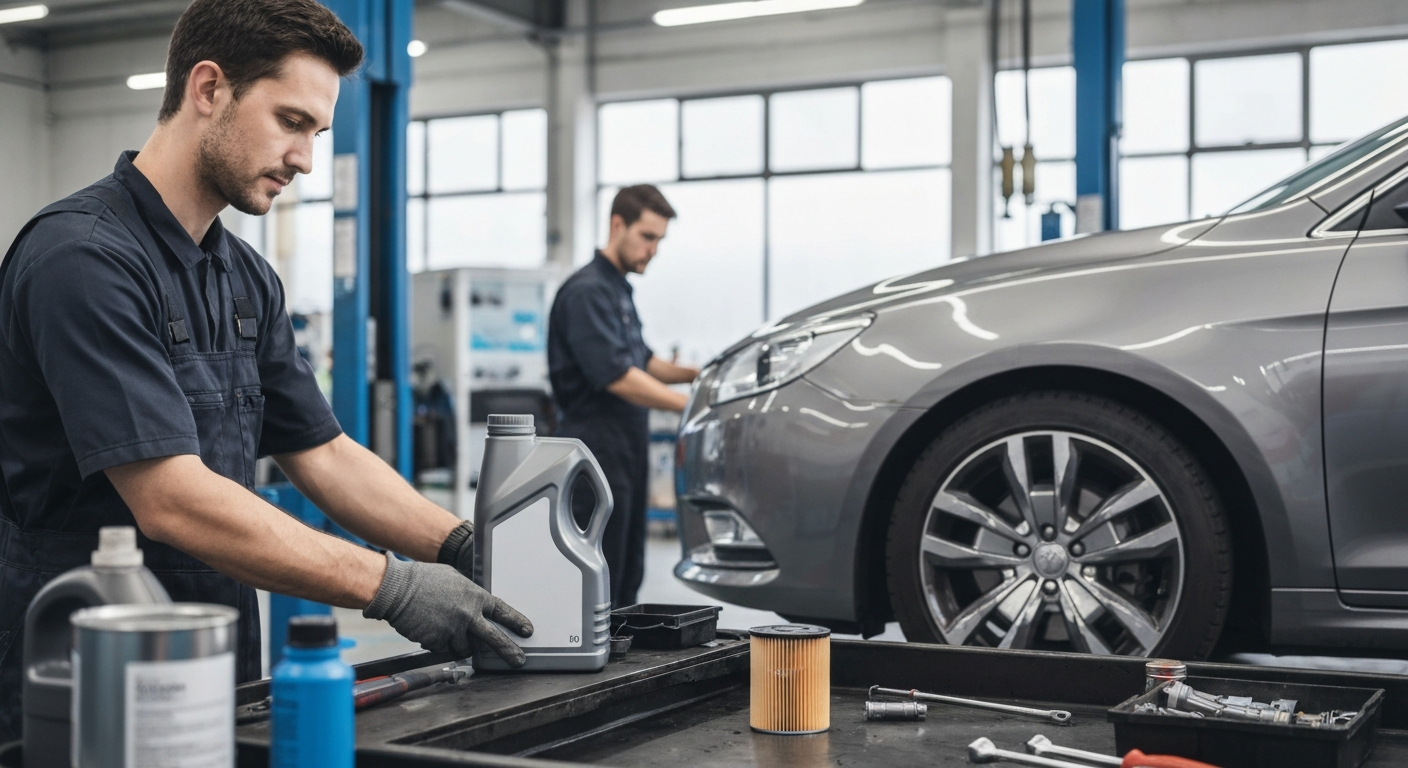
Your car’s engine is a complex machine with hundreds of moving parts working in perfect harmony. At the heart of engine performance is something simple but critical: clean, quality motor oil. Whether you drive a sedan, SUV, or truck in Los Angeles, regular oil changes are essential for keeping your vehicle running smoothly, safely, and reliably for years to come.
In this comprehensive guide, we’ll walk you through everything Los Angeles drivers need to know about oil change service—from understanding different oil types and recommended intervals to recognizing warning signs and choosing professional care. Whether you’re new to vehicle maintenance or looking to optimize your car care routine, this guide will help you make informed decisions about your engine’s most critical fluid.
Why Regular Oil Changes Matter for Your Vehicle
Oil isn’t just a fluid that sits in your engine—it’s one of the most important maintenance elements for vehicle longevity and performance. Here’s why:
Lubrication and Protection: Motor oil creates a protective film between moving metal parts in your engine, reducing friction and wear. Without adequate lubrication, metal parts grind against each other, causing rapid deterioration and catastrophic failure.
Heat Management: Your engine generates enormous heat during operation. Motor oil circulates throughout the engine, absorbing and carrying away excess heat to the oil pan where it can dissipate. This thermal regulation prevents engine overheating and damage.
Contaminant Removal: As your engine runs, combustion byproducts, dust, and metal particles accumulate inside. Clean oil suspends these contaminants, carrying them to the oil filter where they’re trapped. Over time, oil becomes saturated with these particles, losing its effectiveness.
Seal Protection: Motor oil keeps engine seals flexible and prevents leaks. As oil ages and breaks down, seals can harden and crack, leading to oil leaks and potential engine damage.
The consequences of neglecting oil changes are severe. Dirty, degraded oil can lead to increased engine friction, overheating, and eventually catastrophic engine failure—a repair that can cost $3,000 to $5,000 or more. Regular professional oil changes are an investment in your vehicle’s longevity and reliability. At Hyperion Auto Repair, our ASE-certified technicians understand that keeping your engine running strong requires consistent maintenance, and we’re committed to helping you avoid costly repairs.
Recommended Oil Change Intervals
Determining the right oil change interval depends on your vehicle, driving habits, and oil type. Modern vehicle manufacturers provide specific recommendations in your owner’s manual, and following these guidelines is crucial for maintaining your warranty and ensuring optimal performance.
Modern Vehicles (2010 and newer): Most contemporary vehicles are engineered to run on extended-drain intervals, typically 7,500 to 10,000 miles or every 6 to 12 months, whichever comes first. Many newer vehicles with synthetic oil can go up to 15,000 miles between changes. Always check your specific vehicle’s manual for accurate recommendations.
Older Vehicles (2009 and earlier): Vehicles manufactured before modern engine technology often require more frequent oil changes. If you drive an older model, plan for oil changes every 3,000 to 5,000 miles or every 3 months.
Severe Driving Conditions: If you frequently engage in heavy towing, drive in stop-and-go city traffic, drive in dusty environments, or regularly drive short trips before the engine reaches full operating temperature, you’re considered to be driving under “severe” conditions. Severe driving typically requires more frequent oil changes—every 3,000 to 5,000 miles—regardless of the oil type.
Oil Type Impact: The type of oil you use significantly affects how long it can protect your engine before degradation occurs. Conventional mineral oil breaks down faster than synthetics and requires more frequent changes. Synthetic blend and full synthetic oils provide better protection and can extend intervals. We’ll discuss oil types in detail below.
Pro Tip: Set reminders on your phone or calendar based on your vehicle’s specific interval. You can also track your oil changes in your maintenance log, which becomes valuable documentation if you ever sell your vehicle. When you visit Hyperion Auto Repair for your free multi-point inspection, our technicians will verify that your oil change schedule is on track and recommend adjustments based on your driving habits.
Types of Motor Oil Explained
Walking into an auto parts store can be overwhelming when faced with dozens of motor oil options. Understanding the different types helps you make the best choice for your vehicle and budget:
Conventional (Mineral) Oil: This is traditional motor oil extracted from crude oil and refined for use in engines. It’s the least expensive option but has the shortest lifespan before breaking down. Conventional oil typically requires changes every 3,000 to 5,000 miles. It works well for older vehicles and drivers with tight budgets, but provides the least engine protection.
Synthetic Blend Oil: Synthetic blends combine conventional mineral oil with synthetic base oils, offering a middle ground between cost and performance. These oils provide better protection than conventional oil and can often extend intervals to 5,000 to 7,000 miles. Synthetic blends are excellent for drivers seeking improved protection without the premium cost of full synthetic oil.
Full Synthetic Oil: These oils are engineered from scratch using advanced chemical compounds rather than being refined from crude oil. Full synthetic oils offer superior protection, especially in extreme temperatures, and can extend intervals to 10,000 to 15,000 miles. While more expensive upfront, the longer intervals and superior protection often make synthetics more cost-effective over time. Full synthetic oil is ideal for high-performance vehicles, extreme climates, and drivers seeking maximum engine protection.
High-Mileage Oil: Specifically formulated for vehicles with over 75,000 miles on the odometer, high-mileage oils contain additives that help condition aging seals and reduce oil leaks. These oils also contain extra detergents to manage sludge buildup in older engines. If your vehicle has significant mileage, switching to high-mileage oil can help extend engine life.
Oil Viscosity (Grade): You’ll notice numbers like “5W-30” or “10W-40” on oil bottles. The numbers indicate the oil’s viscosity (thickness) at different temperatures. The “W” stands for “winter,” and the first number indicates cold-start viscosity. Always use the oil grade specified in your owner’s manual—using the wrong viscosity can affect fuel economy and engine performance.
Oil Change Cost in Los Angeles: What to Expect
Oil change pricing varies depending on oil type, your vehicle, and the service provider. Here’s what you can typically expect to pay in Los Angeles:
Conventional Oil Change: $45–$65 This is the most affordable option and includes draining old oil, replacing the oil filter, and adding new conventional motor oil. Best for budget-conscious drivers with older vehicles or those who keep up with frequent oil changes.
Synthetic Blend Oil Change: $65–$80 Synthetic blends offer better protection than conventional oil at a moderate price point. This option is popular among drivers seeking improved protection without the premium cost of full synthetic.
Full Synthetic Oil Change: $80–$100+ Full synthetic oil provides superior engine protection and longer intervals, making it ideal for newer vehicles or those with performance engines. While pricier per service, the extended intervals often mean fewer overall oil changes per year.
Factors Affecting Cost:
- Vehicle Type: Luxury vehicles, large trucks, and specialty vehicles may cost more due to larger oil capacities or special requirements
- Oil Capacity: Larger engines require more oil, increasing the cost
- Service Location: Premium shop locations in high-rent areas may charge more
- Shop Reputation and Certifications: ASE-certified shops with strong reputations may charge premium prices for superior service quality
- Additional Services: Some shops include tire rotation, fluid top-offs, or multi-point inspections
Hyperion’s Commitment to Transparent Pricing: At Hyperion Auto Repair, we believe in honest, upfront pricing with no surprises. Our ASE-certified technicians provide detailed quotes before service, and every oil change includes our signature free multi-point inspection. We’ve been family-owned since 1985, and we stand behind our work with a warranty on all repairs. We serve the entire Los Angeles area with convenient hours and professional service you can trust.
Warning Signs Your Oil Needs Changing
While following your recommended oil change schedule is essential, being able to recognize warning signs that your oil needs attention immediately is equally important:
Check Engine or Oil Change Light: Modern vehicles have dashboard warning lights that illuminate when oil life has been consumed or oil pressure drops. If this light appears, schedule your oil change service immediately. Ignoring this warning can lead to serious engine damage.
Dark or Dirty Oil: Pull out your dipstick and wipe it clean, then reinsert and pull it out again to check your oil level and color. Fresh oil should be amber or light brown; dark brown or black oil indicates it’s time for a change. You shouldn’t be able to read newspaper print through the oil on a dipstick—if you can, it’s not dirty enough to require immediate change. But if it’s completely opaque and dark, it’s overdue.
Increased Engine Noise: Clean oil provides proper lubrication; dirty oil cannot. As oil degrades, engine components lack proper lubrication, creating more friction and noise. You may notice knocking, ticking, or grinding sounds from the engine. These are red flags that your oil needs immediate attention to prevent damage.
Engine Running Hotter Than Normal: If your temperature gauge shows higher readings than usual or your engine seems to run hot, dirty oil may be the culprit. Degraded oil cannot dissipate heat effectively. If you notice overheating issues, have your oil and cooling system checked right away. When warning signs appear, don’t delay—check engine light issues require professional diagnosis to prevent further damage.
Oil Leaks: If you notice dark spots or puddles under your parked vehicle, you may have an oil leak. While not always a sign that an oil change is needed, leaks can quickly lead to dangerously low oil levels. Have leaks diagnosed and repaired promptly.
The Professional Oil Change Process
Understanding what happens during a professional oil change helps you appreciate the value of expert service. Here’s what our ASE-certified technicians do at Hyperion Auto Repair:
1. Engine Warm-Up: We start by warming your engine to operating temperature. Warm oil flows more easily and drains more completely, ensuring old oil and contaminants are thoroughly removed.
2. Draining Old Oil: The technician safely raises your vehicle and locates the drain plug on the oil pan. After placing a drain pan underneath, the plug is removed and old oil is allowed to drain completely. Proper disposal of used oil is both environmentally responsible and legally required.
3. Oil Filter Replacement: The old oil filter is located, removed, and replaced with a new one. A small amount of fresh oil is applied to the rubber gasket of the new filter to ensure a proper seal. The filter is tightened by hand—never with a wrench, as over-tightening can damage the gasket.
4. Adding Fresh Oil: The drain plug is replaced and tightened securely. Fresh oil is poured into the engine through the top filler cap, adding the amount specified in your vehicle’s manual. Different vehicles require different quantities, typically ranging from 4 to 6 quarts.
5. Verification and Inspection: After allowing a few minutes for the new oil to settle into the pan, the dipstick is checked to verify proper oil level. Our technicians then perform our signature free multi-point inspection, checking other fluids, filters, belts, hoses, and more to catch any potential issues early.
6. Engine Start and Testing: The vehicle is started and run briefly to circulate the fresh oil through the engine and verify that the oil pressure light is off. The technician listens for any unusual noises and confirms that everything is operating normally.
DIY vs Professional Oil Change Service
Some vehicle owners prefer to change their own oil to save money. While DIY oil changes are possible, there are significant advantages to professional service:
DIY Oil Change Risks:
- Improper Drainage: Without proper training, old oil may not drain completely, reducing the effectiveness of the new oil
- Filter Mistakes: Incorrect installation of oil filters can lead to leaks or filter failure during operation
- Overfilling or Underfilling: Adding the wrong amount of oil damages the engine or causes low oil pressure
- Used Oil Disposal: Improper disposal of used oil harms the environment and violates local regulations
- Stripped Drain Plugs: Over-tightening drain plugs can strip threads, causing expensive repairs
- Missing Additional Issues: Concentrated on the oil change, DIYers may miss other maintenance needs
Professional Service Benefits:
- Proper Technique: Trained technicians follow exact procedures to ensure thorough draining and proper installation
- Quality Assurance: Professional shops stand behind their work with warranties
- Multi-Point Inspection: Technicians check other vital systems and catch problems early
- Correct Oil Selection: Professionals verify the correct oil grade and type for your specific vehicle
- Environmental Compliance: Shops properly dispose of used oil according to local and federal regulations
- Time Savings: A professional oil change typically takes 20-30 minutes, freeing your time for other activities
- Peace of Mind: ASE-certified technicians have the knowledge and experience to handle any issues that arise
Why Choose Hyperion Auto Repair for Oil Changes
When it comes to something as important as your vehicle’s oil change, you deserve service from professionals who genuinely care about your car’s health and your satisfaction. Here’s why Los Angeles drivers trust Hyperion Auto Repair:
ASE-Certified Technicians: Our team includes ASE-certified technicians who have passed rigorous exams demonstrating their expertise in automotive repair and maintenance. ASE certification means your vehicle is in the hands of qualified professionals.
Family-Owned Since 1985: For over 40 years, Hyperion has been serving Los Angeles families and businesses. Our longevity is a testament to our commitment to quality service and customer satisfaction. We’re not a fly-by-night operation—we’re your neighborhood repair shop.
Free Multi-Point Inspections: Every oil change includes our complimentary multi-point inspection. Our technicians check your fluids, filters, belts, hoses, battery, lights, and more. This proactive approach catches problems early when they’re less expensive to fix.
Warranty on All Repairs: We stand behind our work. If something goes wrong with your oil change service, we’ll make it right. Your satisfaction and vehicle reliability are our top priorities.
Transparent Pricing: No hidden fees, no surprises. You’ll know exactly what you’re paying before we start work. We believe in honest, straightforward business practices.
Professional Fluid Disposal: We properly dispose of your used oil according to all local and federal environmental regulations, protecting Los Angeles’s air and water.
Convenient Location: Located at 1845 Hyperion Avenue in Los Angeles, we’re centrally located and easy to reach. Call us at (323) 667-3180 to schedule your oil change today.
Oil Change FAQs
How long does an oil change take?
A professional oil change typically takes 20-30 minutes at a reputable shop. The exact time depends on your vehicle’s configuration and how easily the technician can access the drain plug and filter.
Can I drive immediately after an oil change?
Yes, you can drive immediately after an oil change. Modern vehicles are designed to operate right after service. However, we recommend allowing a few minutes for the new oil to circulate properly through the engine.
What should I do if I miss my recommended oil change interval?
If you’ve missed your oil change interval, schedule service as soon as possible. Driving on degraded oil puts your engine at risk. If you’re significantly overdue (more than 2,000-3,000 miles past the recommended interval), don’t worry—just get it changed immediately and resume following the proper schedule.
Is synthetic oil worth the extra cost?
For most drivers, yes. While synthetic oil costs more upfront, it lasts significantly longer, which means fewer oil changes per year. Over a vehicle’s lifetime, synthetic oil often costs less total while providing superior engine protection. The decision depends on your vehicle type, driving habits, and budget.
Can I mix different oil types?
While mixing oil types won’t cause immediate damage, it’s not recommended. Different formulations have different properties, and mixing reduces the benefits of each. If you must switch oil types, it’s best to do so during your next scheduled oil change.
What does the oil grade number mean?
Oil grade numbers like “5W-30” indicate viscosity at different temperatures. The number before the “W” (winter) shows how the oil flows in cold conditions; lower numbers flow better in cold. The number after shows viscosity at 100°C (212°F). Always use the grade specified in your owner’s manual.
Final Thoughts: Invest in Your Vehicle’s Future
Regular oil changes are one of the simplest and most important maintenance tasks you can perform for your vehicle. The modest cost of an oil change pales in comparison to the expense of engine repairs or replacement. By staying on top of your oil change schedule and choosing professional service, you’re investing in your vehicle’s longevity, performance, and safety.
At Hyperion Auto Repair, we’re committed to keeping your vehicle running smoothly for years to come. Our ASE-certified technicians, free multi-point inspections, and transparent pricing make us the Los Angeles auto repair shop you can trust. Whether you’re due for your first oil change or you’ve been maintaining your vehicle faithfully for years, we’re here to help.
Contact Hyperion Auto Repair today at (323) 667-3180 to schedule your next oil change service. We’re located at 1845 Hyperion Avenue, Los Angeles, CA 90027, and we’re ready to keep your engine running strong.