
Signs Your Car Needs Strut Replacement — Complete Guide for Los Angeles Drivers
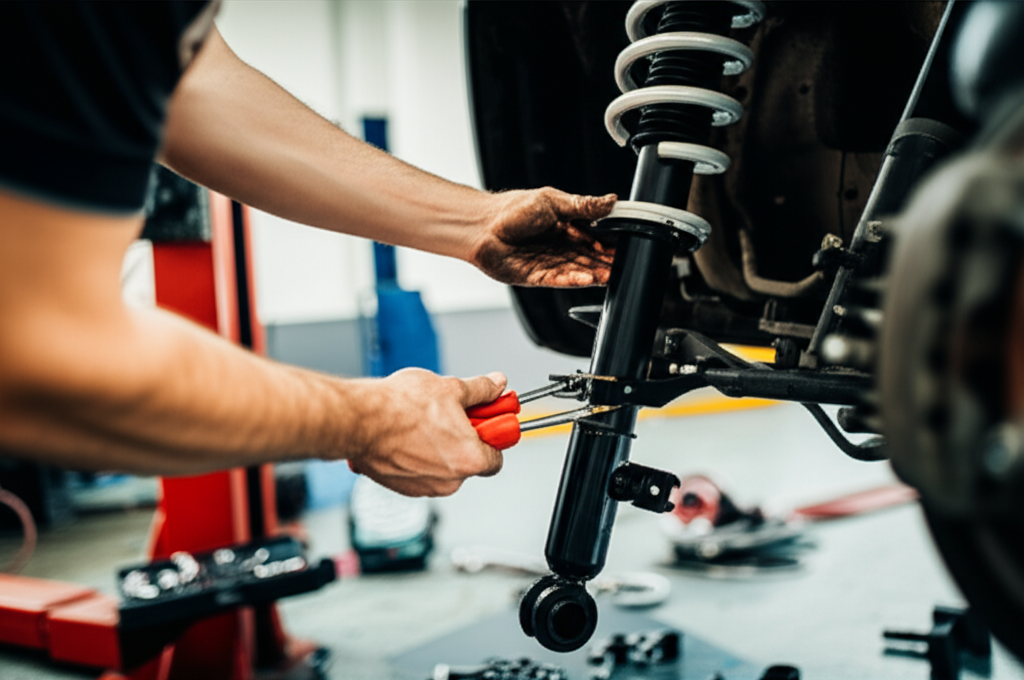
Your vehicle’s suspension system is working hard every time you hit the road in Los Angeles. Among its most critical components are your struts — the dampers that absorb bumps and keep your car stable. But struts don’t last forever. Over time, the hydraulic fluid inside them breaks down, the seals wear out, and their ability to control your vehicle’s movement diminishes. If you’ve been experiencing a bouncy ride, unusual noises, or difficulty controlling your car around corners, your struts might need replacement.
Recognizing the warning signs of worn struts is essential for your safety and your vehicle’s longevity. At Hyperion Auto Repair, our ASE-certified technicians have spent decades helping Los Angeles drivers maintain their vehicles and avoid costly suspension damage. In this guide, we’ll walk you through the eight most common signs your struts need replacement, why they matter, and what to expect during professional service.
What Are Struts and Why Do They Matter?
Struts are suspension components that combine a shock absorber with a coil spring and mounting bracket. They do three critical jobs:
- Absorb bumps and road impacts — The hydraulic fluid inside the strut dampens the energy from bumps, keeping your ride smooth.
- Support your vehicle’s weight — The coil spring supports the weight of your vehicle and passengers.
- Maintain wheel contact with the road — Properly functioning struts keep all four wheels planted on the pavement for stability and traction.
Unlike brake pads that visibly wear down, strut deterioration happens gradually. The hydraulic fluid inside slowly breaks down, the internal seals begin to fail, and the spring loses its ability to return to its original shape. This means you might not notice problems until they become serious safety issues.
Los Angeles roads, with their frequent potholes, uneven surfaces, and variable conditions, put additional stress on suspension components. The hotter climate and salt air from coastal areas can also accelerate corrosion, making regular suspension maintenance even more important for local drivers.
8 Warning Signs Your Struts Need Replacement
1. Bouncy or Excessive Bounce After Bumps
One of the earliest signs of worn struts is a noticeably bouncy ride. When you hit a pothole or railroad crossing, your car should settle immediately. If your vehicle continues bouncing excessively after hitting a bump, the struts aren’t doing their job properly.
Why it matters: A bouncy ride isn’t just uncomfortable — it means your wheels aren’t maintaining consistent contact with the road. This reduces your traction and grip, making it harder to steer and control your vehicle, especially during emergency maneuvers.
What to do: If you’re experiencing excessive bouncing, schedule a professional inspection. A quick test at our shop takes only minutes and can reveal whether your struts are the culprit.
2. Nose Dive When Braking
When you apply the brakes, does the front of your car dip sharply toward the road? This phenomenon, called “nose dive,” is a classic sign of worn front struts. Properly functioning struts resist the forward momentum of braking, keeping your vehicle level. Worn struts can’t provide this resistance.
Why it matters: Nose dive is more than just uncomfortable — it indicates that your vehicle’s weight transfer during braking isn’t being controlled properly. Research shows that worn struts can increase stopping distance, which is a serious safety concern, especially on Los Angeles freeways where speed is higher.
What to do: Pay attention to how your car feels when braking. If you’re noticing nose dive, don’t delay getting service. Worn struts can make a meaningful difference in your vehicle’s braking performance.
3. Vehicle Sway or Roll When Cornering
Your vehicle should feel stable and planted when you turn corners. If you feel your car leaning, rolling, or swaying excessively during turns — especially highway-speed curves — your struts might be worn. This excessive lean happens because worn struts can’t properly control the vehicle’s weight transfer during cornering.
Why it matters: This sensation feels like you’ve lost control of your vehicle, because, in a sense, you have. Worn struts reduce your ability to corner safely and predictably. On Los Angeles’s winding roads and interchange ramps, this is a genuine safety hazard.
What to do: Test this carefully in a safe area. Drive through a smooth curve at moderate speed and notice how much the vehicle leans. Excessive roll requires professional attention.
4. Uneven or Accelerated Tire Wear
Take a close look at your tires. Are they wearing unevenly? Do you see a pattern of small cuts or scallops (called “cupping”) on the tire surface? These patterns are classic signs of suspension problems, especially worn struts.
Worn struts cause your vehicle to bounce as it travels down the road. This bouncing reduces the tire’s contact with the pavement, creating uneven pressure distribution. Over time, this causes accelerated wear and the distinctive cupping pattern.
Why it matters: Not only does this mean you’ll need new tires sooner (an unexpected expense), but cupped tires are noisier and provide less traction, especially in wet conditions. If not addressed, strut problems can lead to premature tire replacement and increased expenses.
What to do: Inspect your tires monthly. If you see uneven wear or cupping, have your suspension checked before replacing expensive new tires.
5. Clunking or Knocking Sounds
Do you hear a clunking or knocking sound when driving over bumps or on rough roads? This is often a sign that your struts have worn out internally. The sound is caused by metal-to-metal contact when the shock or strut bottoms out — when it compresses completely and the internal piston hits the end of the cylinder.
Sometimes the noise comes from worn mounting components around the strut itself, which deteriorate as the strut ages.
Why it matters: Unusual noises are your vehicle’s way of telling you something is wrong. They indicate that components are failing and should be addressed before secondary damage occurs.
What to do: Don’t ignore noises. Have a professional identify where they’re coming from. Simple listening tests can often point to suspension problems.
6. Steering Wheel Vibration
There’s a difference between vibration you feel in your steering wheel when driving over a rough road and vibration that appears on smooth asphalt. If you feel vibrations in your steering wheel when driving on smooth roads at normal speeds, this can indicate worn struts or related suspension components.
Why it matters: Vibrations in the steering wheel suggest your suspension can’t effectively dampen the small movements and vibrations coming from the road surface. While not immediately dangerous, this indicates wear that will eventually become serious.
What to do: Note the conditions under which you feel vibration and mention this to your technician during your inspection.
7. Rear Squat During Acceleration
When you press the accelerator, does the rear of your vehicle squat down while the front rises? This is a sign that your rear struts (or shocks) are worn. Healthy suspension components resist this motion and keep your vehicle level during acceleration.
Why it matters: Rear squat affects your vehicle’s handling and can contribute to passenger discomfort. It can also excessively load the rear suspension components, accelerating wear on other parts.
What to do: Pay attention to how your vehicle behaves during acceleration. If you notice significant squat, have the rear suspension checked.
8. Leaking Hydraulic Fluid
Physically inspect your struts if you can safely access them. Look for fluid leaking down the side of the shock or strut. This clear or slightly oily fluid is the hydraulic fluid that makes struts work. If seals have failed, this fluid will leak out.
Why it matters: Once fluid starts leaking, the strut is doomed. The fluid is essential to damping action. A leaking strut cannot be repaired — it must be replaced.
What to do: If you see fluid leaking from struts, replacement is necessary. Schedule service immediately, as a completely failed strut can leave you with compromised suspension support on that corner of your vehicle.
Bonus: Visible Damage or Rust
During a visual inspection, look for visible bending, dents, or heavy rust/corrosion on the strut body. Los Angeles’s coastal salt air can cause corrosion that weakens suspension components. Visible damage indicates the struts have been compromised and should be replaced.
Why Ignoring Worn Struts is Dangerous
You might be tempted to put off strut replacement if you’re tight on budget. But this is false economy. Here’s what happens when you ignore worn struts:
- Safety risks increase dramatically. Worn struts mean you can’t brake, accelerate, or corner as effectively. On Los Angeles freeways and in heavy traffic, this is a serious hazard.
- You’ll damage other suspension components. When struts fail, the work they’re supposed to do gets passed to other components — springs, bushings, control arms — accelerating wear on these expensive parts.
- Your stopping distance increases. Worn struts compromise braking performance, potentially adding critical distance to your stopping distance in emergency situations.
- You lose control in bad weather. When it rains (rare in LA, but it happens), worn suspension means significantly reduced traction and control.
- Tire replacement becomes more frequent and expensive. Accelerated tire wear from suspension problems can cost hundreds in unexpected tire replacements.
- Your vehicle becomes less predictable. Worn suspension makes your vehicle harder to control in emergency maneuvers, potentially dangerous for you, your passengers, and other drivers.
Professional strut replacement now prevents much more expensive suspension damage down the road.
How to Test Your Struts (Professional Method)
You might have heard about the “bounce test” — pushing down hard on your vehicle’s hood or fender to see if it bounces excessively. While this is better than nothing, it’s not reliable enough to base a replacement decision on.
Professional technicians use more sophisticated methods:
- Visual inspection: Examining the strut for leaks, damage, and corrosion.
- Physical handling: Gently manipulating the wheel and suspension to feel for play or looseness in components.
- Road test: Driving the vehicle through different conditions to assess how it responds to bumps, braking, acceleration, and cornering.
- Alignment check: Using alignment equipment to see if suspension wear has thrown off your wheel angles.
- Diagnostic equipment: Some shops use electronic diagnostic tools to measure suspension performance.
At Hyperion Auto Repair, we offer free multi-point inspections that include a thorough suspension check. Our technicians know exactly what to look for and can give you a clear assessment of whether your struts need replacement.
Strut Replacement Cost in Los Angeles
You’re probably wondering about cost. The answer depends on several factors:
- Your vehicle model: Luxury and performance vehicles often have more expensive struts and labor costs can be higher.
- Parts quality: Original manufacturer parts cost more than aftermarket equivalents, but typically last longer.
- Labor complexity: Some vehicles are easier to work on than others.
- Additional work needed: Worn struts sometimes damage related components that also need replacement.
Professional strut replacement is an investment in your safety. The job should be done right, with proper parts installed correctly, and should include a warranty on the work. During your free inspection, our technicians can provide an accurate estimate for your specific vehicle.
What to Expect During Professional Inspection
When you bring your vehicle to Hyperion Auto Repair for a suspension inspection, here’s what happens:
- We listen to your concerns. Tell us what you’re experiencing — bouncing, noises, handling changes — and we’ll note all of it.
- We perform a free multi-point inspection. This includes a detailed visual inspection of all suspension components, not just struts.
- We take your vehicle for a test drive. We want to experience the symptoms firsthand and assess how the vehicle actually behaves.
- We examine all related components. Bad struts can indicate wear in springs, bushings, and other suspension parts.
- We check your wheel alignment. Suspension wear often throws off alignment, which we can detect and explain.
- We give you a clear, honest assessment. We explain what we found in plain language, not technical jargon. We’ll tell you what needs replacement and what can wait.
- We discuss your options. Different quality levels and brands are available, and we’ll help you choose what’s right for your vehicle and budget.
- We provide a written estimate. You’ll know exactly what you’re getting and what it will cost before we start any work.
Our goal is to help you understand your vehicle’s condition so you can make informed decisions about repairs. We’ve been family-owned and operated since 1985, and we treat every customer the way we’d want to be treated.
Schedule Your Free Strut Inspection Today
Don’t let worn struts compromise your safety or lead to expensive secondary damage. If you’ve noticed any of the warning signs discussed in this guide, schedule a professional inspection with the team at Hyperion Auto Repair.
We’re conveniently located in Los Angeles at 1845 Hyperion Avenue, and we’re ready to help. Our ASE-certified technicians have the experience and expertise to properly diagnose suspension problems. Plus, we offer a warranty on all our repairs, so you can feel confident in your investment.
Learn more about our complete suspension repair services to understand all the ways we help keep your vehicle safe and reliable.
Contact Hyperion Auto Repair:
📍 1845 Hyperion Avenue, Los Angeles, CA 90027
📞 (323) 667-3180
Free Multi-Point Inspection • ASE-Certified Technicians • Warranty on All Repairs