
Transmission Repair in Los Angeles: Complete Guide for Vehicle Owners
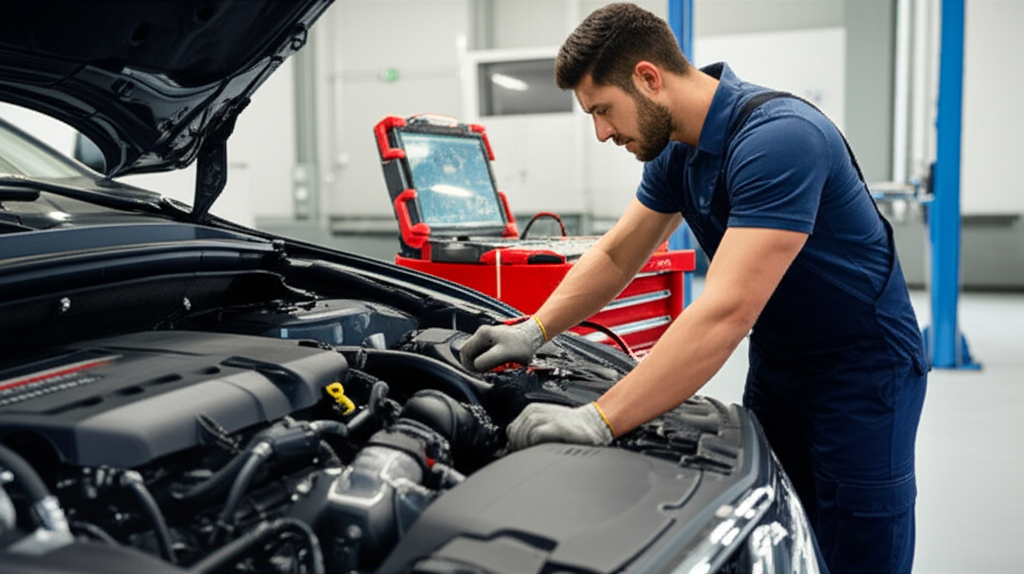
Your vehicle’s transmission is one of its most complex and important systems. When transmission problems occur, they can be expensive to ignore—and finding reliable repair service matters enormously. This comprehensive guide covers everything Los Angeles drivers need to know about transmission repair: warning signs, what the repair process looks like, costs, and how to choose a trusted repair shop like Hyperion Auto Repair.
What Does a Transmission Do?
The transmission is the mechanical system that transfers power from your engine to your wheels, allowing your vehicle to move at different speeds while optimizing performance and fuel economy. Think of it as the intermediary between your engine’s revolutions and the actual speed of your wheels.
Your vehicle likely has one of three transmission types:
- Automatic Transmission: Uses fluid pressure and planetary gears to shift automatically based on vehicle speed and throttle position. Most common in passenger vehicles.
- Manual Transmission: Requires the driver to manually shift gears using a clutch pedal. More common in performance vehicles and trucks.
- Continuously Variable Transmission (CVT): Generally uses a belt and pulley system to provide seamless gear ratio changes instead of traditional fixed gears.
Regardless of transmission type, all serve the same critical function: controlling power delivery to move your vehicle efficiently and safely.
Warning Signs Your Transmission Needs Repair
Early detection of transmission problems can save thousands of dollars in repairs. Watch for these warning signs:
Delayed or Harsh Shifting
If your transmission hesitates before shifting gears or shifts abruptly and forcefully, this indicates internal component wear or fluid problems. This should be diagnosed immediately—harsh shifting can strain other transmission components.
Transmission Fluid Leaks
Bright red or dark red fluid leaking under your vehicle is a clear sign of transmission problems. Transmission fluid is essential for lubrication, cooling, and hydraulic pressure. Low fluid levels can cause catastrophic transmission failure.
Burning Smell
A sweet or burnt smell coming from under the hood often indicates transmission fluid overheating. This suggests excessive friction inside the transmission—a serious warning sign requiring immediate professional inspection.
Check Engine Light or Transmission Warning Light
Modern vehicles have sensors that detect transmission problems. When diagnostic trouble codes indicate transmission issues, professional evaluation is necessary to determine the specific problem.
Difficulty Shifting or Stuck Gears
If your transmission won’t shift into a particular gear, or shifts unpredictably, internal components may be damaged. This is a serious problem affecting vehicle safety and driveability.
Slipping Gears or Unusual Noises
If your engine revs but the vehicle doesn’t accelerate proportionally, your transmission is slipping—losing power transfer efficiency. Whining or grinding noises during shifts indicate mechanical wear.
Read our detailed guide on transmission maintenance and service to learn how regular upkeep prevents these issues.
Types of Transmission Repairs
Transmission repairs vary widely in complexity and scope:
Fluid and Filter Service
The most basic transmission service. Includes draining old fluid, replacing the filter, and refilling with fresh transmission fluid. This prevents wear and maintains optimal performance.
Transmission Seal Replacement
Seals prevent fluid leaks. When seals wear out, fluid escapes and transmission components fail. Seal replacement is more involved than fluid service but much less expensive than major repairs.
Solenoid Replacement
Solenoids are electrical switches that control transmission fluid flow. When solenoids fail, shifting problems occur. Replacement typically costs $300-900 depending on your vehicle.
Transmission Overhaul
A partial disassembly and inspection of internal components. Worn parts are replaced, and the transmission is thoroughly cleaned. Less invasive than a full rebuild.
Transmission Rebuild
Complete disassembly of the transmission. Internal components are inspected, worn parts are replaced with factory specifications, and the transmission is reassembled. Rebuilds typically cost $1,500-3,500.
Transmission Replacement
When damage is too severe for repair or rebuild, the entire transmission is replaced with a remanufactured or new unit. This is the most expensive option, ranging from $3,000-6,000 or more depending on your vehicle.
The Transmission Repair Process
Professional transmission repair begins with accurate diagnosis. Here’s what the process typically involves:
Step 1: Computer Diagnostic Testing
Technicians connect your vehicle to computerized diagnostic equipment that reads transmission fault codes. These codes pinpoint the specific problem: solenoid failure, pressure issues, internal wear, or sensor malfunctions.
Step 2: Visual Inspection and Fluid Analysis
The technician inspects the transmission pan, checks fluid color and smell, and evaluates whether previous service was performed. Dark fluid indicates overheating or internal wear. Burnt smell suggests friction problems.
Step 3: Road Test
The technician drives your vehicle to confirm symptoms and verify diagnostic codes. This real-world evaluation helps distinguish between minor sensor issues and actual mechanical problems.
Step 4: Repair Plan Development
Based on findings, the technician recommends specific repairs with cost estimates. Honest shops like Hyperion will explain why each repair is necessary and discuss options when they exist.
Step 5: Repair Execution
The shop performs the agreed-upon repairs using proper procedures and quality parts. This might be as simple as replacing fluid or as complex as rebuilding the entire transmission.
Step 6: Testing and Verification
After repairs, the transmission is tested to confirm problems are resolved. Most reputable shops perform extended road tests before returning the vehicle.
Transmission Repair Costs in Los Angeles
Transmission repair costs vary tremendously based on the specific problem and your vehicle type. Here’s what to expect:
- Fluid and Filter Service: $100-$200
- Seal Replacement: $300-$800
- Solenoid Replacement: $300-$900
- Transmission Overhaul: $800-$1,500
- Transmission Rebuild: $1,500-$3,500
- Transmission Replacement: $3,000-$6,000+
Factors affecting transmission repair costs include:
- Vehicle make, model, and year (some transmissions are more complex)
- Whether rebuild vs. replacement is necessary
- Availability of parts
- Shop labor rates in your area
- Warranty coverage (some major repairs include longer warranties)
Regular transmission maintenance can prevent expensive repairs. Most preventive maintenance costs far less than repairing damage caused by deferred service.
Why Professional Service Matters for Transmission Repair
Transmission repair is not a DIY project. Here’s why professional service is essential:
Complex Diagnosis Requirements
Accurate diagnosis requires expensive computerized diagnostic equipment and years of training. Misdiagnosis leads to unnecessary repairs or missed problems that worsen the damage.
Specialized Equipment Needed
Transmission work requires specialized tools—transmission jacks, pressure gauges, diagnostic scanners, and specialized wrenches. Most home mechanics don’t have this equipment.
Warranty Protection
Professional shops warrant their work. If a repair doesn’t solve the problem, they fix it. DIY repairs have no warranty, and unsuccessful repairs compound the damage.
Long-term Vehicle Health
Proper transmission repair protects your vehicle’s value and reliability. A botched transmission repair can result in catastrophic engine damage or complete vehicle failure.
Learn more about why choosing an experienced auto repair specialist matters for complex systems like transmissions.
How to Prevent Transmission Problems
Prevention is far more cost-effective than repair. Here are essential transmission maintenance practices:
Follow Manufacturer Service Intervals
Check your owner’s manual for recommended transmission fluid service intervals. Many manufacturers recommend transmission fluid checks every 30,000-60,000 miles, with service at 60,000-100,000 mile intervals. Some newer vehicles claim “lifetime” fluid, but having it inspected is still wise.
Check Transmission Fluid Regularly
Transmission fluid condition directly impacts transmission performance. Regular checks catch leaks and fluid degradation early.
Avoid Excessive Heat and Strain
Towing at or beyond your vehicle’s rated capacity stresses the transmission. Stop-and-go traffic and aggressive driving generate excessive heat. Moderate driving habits extend transmission life.
Address Warning Signs Immediately
Any transmission symptoms warrant immediate professional inspection. Early intervention prevents minor issues from becoming catastrophic failures.
Maintain Engine Health
Engine problems often stress the transmission. Regular engine maintenance supports overall drivetrain health.
Transmission Service vs. Transmission Repair
These terms describe different needs:
Transmission Service (Preventive Maintenance) includes fluid and filter changes, inspections, and adjustments. Service prevents problems and is relatively inexpensive.
Transmission Repair (Corrective Maintenance) addresses existing problems. Repairs fix symptoms caused by wear, damage, or deferred maintenance. Repairs cost significantly more than service.
The key insight: Regular service prevents expensive repairs. Drivers who maintain transmissions through regular fluid service spend far less over their vehicle’s lifetime than those who ignore maintenance until failure.
Why Choose Hyperion Auto Repair for Transmission Repair in Los Angeles
Since 1985, Hyperion Auto Repair has provided expert transmission service and repair to Los Angeles drivers. Here’s what sets us apart:
ASE-Certified Technicians: Our technicians hold ASE (Automotive Service Excellence) certifications, demonstrating expertise in transmission systems and diagnostic procedures. We stay current with the latest transmission technologies and repair procedures.
Honest Assessment: We perform thorough diagnostics and explain findings clearly. We’ll tell you if service is sufficient or if repair is necessary. We discuss options and let you make informed decisions.
Free Multi-Point Inspection: Concerned about transmission symptoms? Schedule a free inspection. We’ll diagnose the problem and discuss your options with no pressure.
Warranty on All Repairs: We stand behind our work. If a repair doesn’t solve the problem, we’ll fix it right—that’s our guarantee.
Family-Owned Since 1985: Our reputation is built on quality work and customer care. We’ve served three generations of Los Angeles families, and we take that responsibility seriously.
Convenient Location: Located at 1845 Hyperion Avenue in Los Angeles, we’re accessible to neighborhoods throughout the city including Silver Lake, Los Feliz, Echo Park, and beyond.
Getting Started with Transmission Repair in Los Angeles
If you’re experiencing transmission symptoms or want to schedule preventive maintenance, contact Hyperion Auto Repair:
Phone: (323) 667-3180
Address: 1845 Hyperion Avenue, Los Angeles, CA 90027
Hours: Monday-Friday 8:00 AM – 5:00 PM, Saturday by appointment
We offer free consultations, honest diagnostics, and expert transmission service. Your vehicle’s transmission is too important to trust to inexperienced hands. Contact Hyperion Auto Repair today.