
Your brake system is the most critical safety component in your vehicle. Recognizing warning signs early can prevent dangerous failures on Los Angeles roads. Whether you’re navigating daily traffic on the 101 or descending mountain roads in the nearby canyons, understanding when your brakes need attention protects you, your passengers, and everyone sharing the road.
At Hyperion Auto Repair, we’ve served Los Angeles drivers for over 40 years. We know that informed vehicle owners make better decisions about their brake maintenance. This guide will help you identify warning signs, understand maintenance schedules, and know what to expect from professional brake service.
For more comprehensive information, check out our brake repair los angeles complete guide and our detailed overview of brake repair service in los angeles ca hyperion auto repair.
Why Brake Health Matters for LA Drivers
Your vehicle’s brake system stands between safe stops and potential collisions. making regular maintenance essential rather than optional. When your brakes function properly, they provide reliable stopping power regardless of traffic conditions or road surfaces.
Los Angeles driving conditions create unique challenges for brake systems. compared to highway commuting. The constant stop-and-go traffic that defines LA freeways during rush hour places continuous demands on your brake components, generating heat and friction that gradually wear down pads, rotors, and fluid.
Preventive brake maintenance delivers significant financial benefits over time. Replacing worn brake pads costs considerably less than replacing damaged rotors, calipers, or brake lines that failed due to neglected maintenance. which can mean the difference between a safe stop and a collision in emergency situations.
Beyond your own safety, failing brakes endanger other drivers, pedestrians, and cyclists sharing Los Angeles streets. Responsible brake maintenance demonstrates respect for your community and commitment to road safety.
Common Warning Signs Your Brakes Need Service
Your vehicle communicates brake problems through several distinct warning signs. Learning to recognize these symptoms helps you address issues before they become dangerous or expensive.
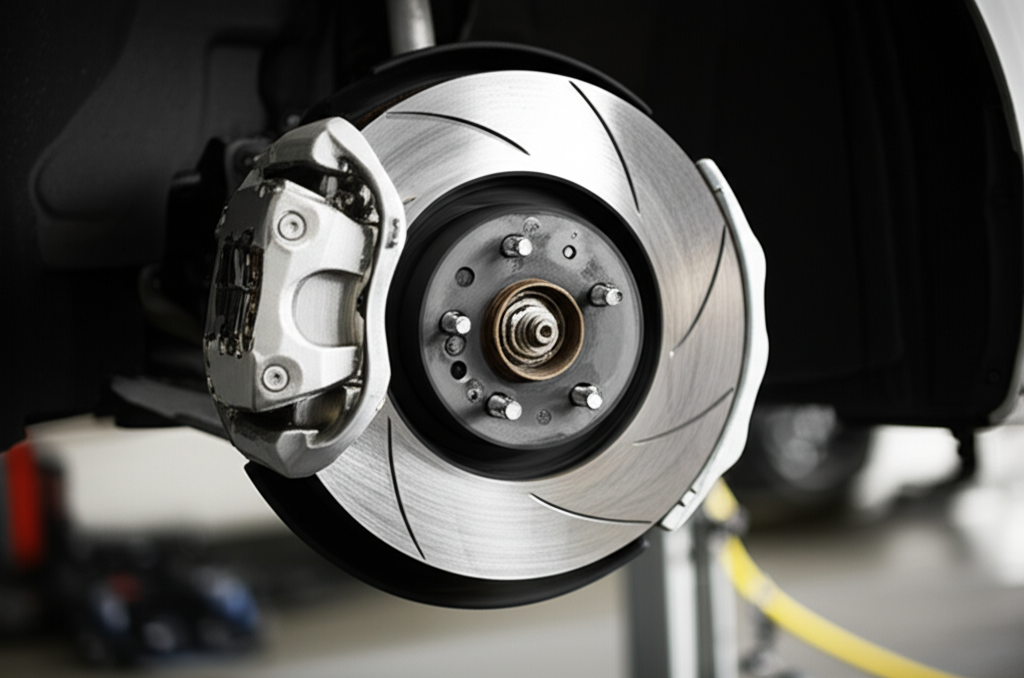
Soft or Spongy Brake Pedal
Generally, a soft brake pedal typically indicates air in the brake lines or brake fluid contamination. When you press the brake pedal, it should feel firm and responsive. If the pedal feels mushy, travels too far toward the floor, or requires pumping to build pressure, your brake system needs immediate professional inspection.
Grinding or Squealing Sounds
Brake noise provides early warning of component wear. High-pitched squealing often comes from built-in wear indicators designed to alert you when pads approach their replacement threshold. Generally, grinding sounds mean brake pads have worn completely, exposing metal to metal contact, which damages rotors and significantly increases repair costs.
Dashboard Warning Light
Generally, a brake warning light can signal low brake fluid, worn pads, or abs system issues that require diagnostic inspection. Modern vehicles feature sophisticated monitoring systems that detect brake problems before you notice symptoms. Never ignore an illuminated brake warning light.
Vibration When Braking
Brake vibration often indicates warped rotors, which may need to be serviced promptly. If your steering wheel, brake pedal, or entire vehicle shakes when you apply the brakes, warped rotors are the likely culprit. Continued driving with warped rotors compromises braking performance and accelerates component wear.
Longer Stopping Distances
If you notice your vehicle requires more distance to stop than it previously did, your brake system has lost effectiveness. This gradual change often escapes notice until you experience a near-miss situation. Pay attention to how your brakes feel during regular driving.
Burning Smell After Braking
A sharp, chemical odor after braking indicates overheated brake components or clutch problems. This smell requires immediate attention, as it suggests your brakes are approaching or experiencing brake fade. Pull over safely and allow your brakes to cool before continuing.
You can learn more about these symptoms in our article on seven signs your brakes need to be inspected.
How Often Should You Inspect Your Brakes?
Regular brake inspections catch problems early and prevent expensive emergency repairs. Generally, most manufacturers recommend brake inspections at least annually or every 12,000 miles, whichever comes first. However, Los Angeles driving conditions may require more frequent inspections.
Brake pad replacement intervals vary significantly based on driving habits and conditions. Generally, brake pads typically last 25,000 to 70,000 miles depending on driving style and conditions. Aggressive driving, frequent short trips, and mountainous terrain all accelerate brake wear. Conversely, gentle acceleration and deceleration patterns extend brake component life.
Generally, heavy city driving like los angeles traffic can reduce brake pad lifespan by 30-40% compared to highway driving. If your daily commute involves constant stop-and-go traffic, plan for more frequent brake pad replacement than the manufacturer’s upper-range estimates suggest.
Professional technicians should inspect rotors whenever they replace brake pads. Rotors wear gradually and may require resurfacing or replacement to ensure proper brake system function.
Beyond scheduled inspections, have your brakes checked if you notice any warning signs or after significant driving events like mountain trips that stress brake systems. Proactive inspection costs far less than reactive repairs after brake failure.
Types of Brake Repairs and What to Expect
Understanding common brake repairs helps you make informed decisions when your technician presents service recommendations.
Brake Pad Replacement
The process includes cleaning caliper hardware, lubricating slide pins, and bedding new pads properly to ensure optimal performance. Quality shops inspect all brake components during pad replacement to identify potential problems.
Rotor Resurfacing or Replacement
Brake rotors develop surface irregularities over time due to heat and friction. Resurfacing restores smooth braking surfaces when rotors remain within thickness specifications. Your technician measures rotor thickness against manufacturer specifications to determine whether resurfacing or replacement is appropriate.
Brake Fluid Service
Brake fluid may need to be inspected for moisture and contamination, as moisture degrades braking performance and can cause system corrosion. Brake fluid is hygroscopic, meaning it absorbs moisture from the atmosphere over time. Contaminated fluid reduces braking effectiveness and accelerates internal component corrosion. Regular fluid replacement maintains system integrity.
Caliper Inspection and Repair
Stuck calipers cause uneven brake wear, vehicle pulling, and reduced stopping power. Professional inspection identifies caliper problems before they compromise safety.
Brake Line Inspection
Brake lines carry hydraulic fluid under high pressure throughout your brake system. Corrosion, damage, or deterioration can cause leaks that compromise braking performance. Thorough inspections include visual examination of all brake lines and connections to ensure system integrity.
Why Transparent Diagnosis Matters When Repairing Brakes
Brake repair requires trust between vehicle owners and service providers. Professional shops prioritize transparent diagnosis to build that trust and ensure appropriate service.
Comprehensive inspection identifies all existing and emerging problems, allowing you to plan service appropriately rather than facing unexpected repairs.
Written estimates eliminate confusion about service scope and costs. You should receive clear explanations of necessary repairs, optional maintenance, and the consequences of delaying service.
This expertise ensures you receive honest guidance about which services require immediate attention versus which can wait.
Documentation serves multiple purposes beyond transparency. Service records establish maintenance history for warranty claims, insurance purposes, and resale value. Quality shops maintain detailed records and provide copies for your files.
At Hyperion Auto Repair, our ASE-certified technicians explain findings clearly, answer your questions, and respect your decisions about service timing. We believe informed customers make better choices about their vehicle maintenance.
Brake Repair in Los Angeles: Navigating Traffic and Weather
Los Angeles driving conditions create specific challenges for brake systems that drivers should understand when planning maintenance.
Stop-and-Go Traffic
The daily commute on congested freeways subjects your brakes to continuous cycling between acceleration and braking, generating heat and friction that gradually consume brake pad material.
Hills and Mountain Driving
Los Angeles geography includes significant elevation changes, from coastal areas to mountain communities. Drivers who regularly navigate Mulholland Drive, Angeles Crest Highway, or similar mountain roads should monitor brake condition closely and consider more frequent inspections.
Coastal Salt Air
Vehicles parked near the ocean or driven regularly in coastal areas experience faster component deterioration than those in inland areas. Regular inspections help identify corrosion before it compromises safety.
Summer Heat Impact
Brake fluid has a specific boiling point, and moisture contamination lowers this threshold. During hot weather, degraded fluid can boil under hard braking, creating gas bubbles that compress rather than transmitting hydraulic pressure.
Understanding these Los Angeles-specific factors helps you anticipate brake maintenance needs and avoid surprises. Our professional brake service los angeles guide provides additional information about local driving conditions and brake care.
What Sets Quality Brake Service Apart
Not all brake service delivers the same results. Professional shops distinguish themselves through several key practices that ensure reliable, long-lasting repairs.
ASE-Certified Technician Expertise
This certification indicates ongoing education and commitment to industry standards. Experienced technicians recognize subtle symptoms and understand the interrelated nature of brake system components.
Complete System Evaluation
Quality brake service extends beyond replacing worn pads. Comprehensive evaluation includes inspecting all system components, testing brake fluid quality, checking for leaks, examining hydraulic lines, and verifying proper operation of warning lights and ABS systems.
Quality Replacement Parts
Generally, quality brake pads with proper friction ratings ensure safe stopping power and durability. Professional shops use parts that meet or exceed original equipment specifications rather than budget alternatives that compromise performance or longevity.
Proper Brake Fluid Selection
Technicians must reference manufacturer specifications and select appropriate fluid for your vehicle’s brake system design.
Test Drive Verification
A test drive after brake service may need to include checking brake feel, pedal height, and verifying the warning light is off. Road testing confirms repairs addressed the original problem and reveals any additional issues requiring attention.
Customer Education
Professional shops invest time explaining brake system function, maintenance requirements, and warning signs of future problems. Educated customers maintain their vehicles better and develop realistic expectations about service intervals and costs.
Taking Action: Getting Your Brakes Inspected
Recognizing brake problems represents the first step toward maintaining safe, reliable stopping power. Taking action to address those problems completes the process.
Schedule a professional inspection if you’ve noticed any warning signs or if your brakes haven’t been inspected within the past year. making it convenient to address concerns promptly.
When discussing brake problems with your technician, describe symptoms clearly. Explain when the problem occurs, what you hear or feel, and any circumstances that make it better or worse. Detailed information helps technicians diagnose issues efficiently.
Request a written estimate before authorizing brake service. Review the estimate carefully, ask questions about recommended repairs, and understand the distinction between necessary service and preventive maintenance. Don’t hesitate to request clarification about any aspect of the proposed service.
Ask about preventive maintenance options that extend brake system life. Your technician may recommend services like brake fluid exchange or caliper cleaning that prevent future problems rather than simply addressing current issues.
Maintain service records for all brake work. Generally, detailed service records increase vehicle resale value and demonstrate proper maintenance to potential buyers.
When you’re ready to have your brakes inspected, our ASE-certified technicians are here to help with transparent service you can trust. At Hyperion Auto Repair, we’ve served Los Angeles drivers since 1985 with honest diagnosis, quality repairs, and the customer education you need to make informed decisions about your vehicle’s safety.
Your brakes protect everything that matters. Give them the professional attention they deserve.