
Engine Repair Los Angeles: Complete Guide to Warning Signs and Professional Diagnostics
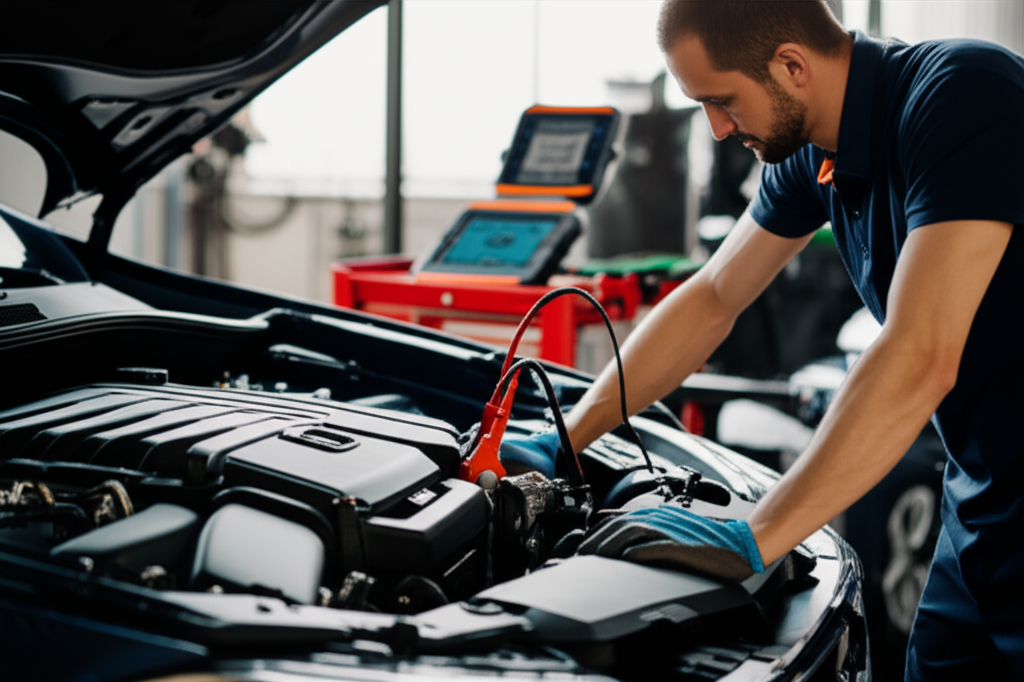
Your vehicle’s engine is the heart of your car—without it running properly, your car isn’t going anywhere. Whether you’re hearing strange noises, seeing warning lights, or noticing performance issues, understanding what your engine is telling you is crucial for maintaining your vehicle’s reliability and safety. If you’re in Los Angeles and suspect your engine needs attention, this comprehensive guide will help you understand the warning signs, diagnostic process, costs, and why professional service matters.
Signs Your Engine Needs Repair
Engine problems rarely appear without warning. Learning to recognize the warning signs early can save you thousands in repairs and prevent dangerous situations on the road. Let’s explore the most common indicators that your engine needs professional attention.
Check Engine Light
The check engine light on your dashboard is one of the most important warning signals your vehicle can give you. This light is triggered by your vehicle’s onboard diagnostic system when it detects an issue with the engine, emissions system, or transmission. The problem could be something minor, like a loose gas cap, or something more serious like a failing oxygen sensor or catalytic converter problem. Don’t ignore this light—it’s your vehicle’s way of telling you something needs attention. Even if your car seems to be running fine, diagnostic testing can reveal what’s wrong before it becomes a major problem.
Strange Noises
Your engine produces distinct sounds when it’s running properly. Any deviation from normal engine noise should be investigated. A knocking or pinging sound, particularly when accelerating, often indicates pre-ignition—fuel burning too early in the engine cycle. This can be caused by using low-octane fuel or carbon buildup in the combustion chambers. A grinding or scraping sound might indicate problems with the timing belt, alternator, or other components. Ticking sounds can suggest valve train issues or low oil pressure. A loud banging noise could mean serious internal engine damage that requires immediate attention. At Hyperion Auto Repair, our ASE-certified technicians can quickly identify what these sounds mean and recommend appropriate solutions.
Performance Issues
If your vehicle feels less responsive or isn’t performing as it should, your engine might be the culprit. Loss of power—where your car hesitates or struggles to accelerate—can be caused by various engine issues including fuel injection problems, ignition coil failures, or compression loss. Rough idling, where your engine shakes or stumbles when sitting at a stoplight, often indicates misfiring cylinders, which can result from worn spark plugs, failing fuel injectors, or engine control problems. Difficulty starting is another red flag. If your engine cranks but takes longer than normal to start, it could suggest weak battery power, fuel system issues, or ignition problems. These performance changes should never be ignored, as they often worsen over time.
Smoke and Fluid Leaks
Any smoke coming from your engine bay is a serious concern and should be addressed immediately. Blue smoke typically indicates oil burning, which can result from worn piston rings, valve seals, or other internal wear. White smoke often suggests a coolant leak—your engine might be overheating. Black smoke indicates your engine is running too rich, meaning there’s too much fuel and not enough air in the combustion mixture. This can result from fuel injector problems or a faulty air filter. Beyond smoke, watch for fluid leaks under your vehicle. A puddle of green, orange, or pink fluid under your car indicates a coolant leak. Dark brown or black oil leaks are serious and can lead to engine damage if not addressed. Any fluid leak should be inspected and repaired promptly.
Smell Problems
Your nose can be an excellent diagnostic tool. A burning smell coming from your engine could indicate overheating, an electrical fire starting, or oil leaking onto hot engine components. If you notice a sweet, syrupy smell, that’s coolant—your cooling system has a leak and your engine may be overheating. A rotten egg or sulfur smell suggests catalytic converter problems. A gasoline smell near the engine might indicate a fuel leak, which is both a performance and safety concern. These smells are your vehicle’s way of communicating distress, and professional engine diagnostics can pinpoint the exact cause.
Engine Diagnostic Process
When you bring your vehicle to Hyperion Auto Repair with engine concerns, our technicians follow a systematic diagnostic approach to identify the exact problem. This comprehensive process ensures we find the root cause, not just the symptoms.
Computer Diagnostics
Modern engines rely on complex computer systems to manage fuel injection, ignition timing, emissions, and hundreds of other functions. When something goes wrong, the engine control unit (ECU) stores diagnostic trouble codes. Our technicians use professional-grade OBD-II diagnostic scanners to read these codes and understand what the computer detected. These aren’t simple readers—they provide detailed information about sensor readings, fuel trims, oxygen sensor data, and more. Error codes are translated into specific information about what system is malfunctioning. For example, a P0300 code indicates random cylinder misfire, while a P0171 indicates the system is running too lean. Understanding these codes helps us know exactly what to investigate next.
Visual Inspection
After computer diagnostics, our ASE-certified technicians perform a thorough visual inspection of your engine. They look for obvious signs of leaks, damaged belts, corroded connectors, and worn hoses. They’ll check your spark plugs for wear patterns and discoloration—spark plugs can tell us a lot about what’s happening inside your combustion chambers. They inspect the air filter, fuel filter connections, and battery terminals. They’ll look for signs of oil sludge, which indicates poor maintenance or engine wear. Visual inspection often reveals issues that diagnostic codes don’t show, giving us a complete picture of your engine’s condition.
Test Drive Assessment
Finally, our technicians take your vehicle for a test drive to feel how it performs under real-world conditions. This helps us evaluate how the engine responds to acceleration, whether the check engine light comes back on, and if they can reproduce the symptoms you reported. During the test drive, technicians note drivability issues, unusual sounds, or warning lights that appear. This real-world testing combined with computer and visual diagnostics gives us the complete diagnostic picture needed to recommend the right repairs.
Common Engine Repairs
Some engine repairs are more common than others. Understanding these typical repairs can help you know what to expect and why your engine might need service.
Spark Plug Replacement
Spark plugs are one of the most frequently replaced engine components. They create the spark that ignites fuel in your engine’s combustion chambers. Most spark plugs last 30,000 to 100,000 miles, depending on the type and your vehicle. Worn spark plugs cause rough idling, poor fuel economy, and difficulty starting. Replacement is typically straightforward and costs between $100 and $300 depending on your vehicle type. Many Los Angeles drivers find that keeping up with spark plug replacement prevents more serious engine problems.
Timing Belt Replacement
Your timing belt synchronizes your engine’s crankshaft and camshaft so valves open and close at precisely the right time. This critical component typically lasts 60,000 to 100,000 miles. Unlike spark plugs that just wear out gradually, a timing belt can break suddenly, causing serious engine damage. Most manufacturers recommend timing belt replacement at specific intervals—check your vehicle maintenance schedule for your car’s requirements. Timing belt replacement is expensive—typically $600 to $1,200 for most vehicles—but it’s far cheaper than the thousands in engine damage that results from a broken belt.
Head Gasket Repair
The head gasket seals the engine block to the cylinder head, preventing coolant and oil from leaking into the combustion chambers. A blown head gasket is serious because it allows coolant and oil to mix, creating sludge and reducing lubrication. Head gasket failure causes coolant loss, overheating, white smoke, rough idling, and loss of power. Repair requires removing the cylinder head and installing a new gasket—a labor-intensive job costing $1,000 to $2,500 depending on your engine. This is one of the more expensive engine repairs, making prevention through proper cooling system maintenance essential.
Valve Cleaning
Over time, carbon deposits build up on your engine’s intake and exhaust valves, reducing efficiency and causing performance issues. Valve cleaning uses specialized equipment to remove this buildup without removing the cylinder head. This service improves fuel economy, restores lost power, and often reduces check engine lights caused by efficiency issues. Cost typically ranges from $150 to $400 depending on your vehicle. Regular valve cleaning can prevent the need for more expensive repairs.
Engine Repair Costs
Engine repair costs vary widely based on several factors. Understanding what affects pricing helps you budget for necessary repairs and make informed decisions.
Cost Factors
Several factors influence engine repair costs in Los Angeles. Labor rates vary by shop and complexity—ASE-certified technicians at quality shops charge premium rates because of their expertise. Parts costs depend on the specific component and whether you choose original manufacturer parts or quality aftermarket alternatives. The extent of damage is critical—a faulty oxygen sensor costs $200-$400 to replace, while a transmission interlock solenoid or fuel pump can cost several hundred more. Your vehicle’s make and model matters too—luxury and exotic cars cost more to repair than standard vehicles. Additionally, if damage has spread to other systems (like coolant damage to the transmission), repair costs increase significantly.
Typical Price Ranges
Minor engine repairs—like replacing spark plugs, air filters, or fuel filters—typically cost $100-$500. Moderate repairs such as oxygen sensor replacement, thermostat replacement, or valve cleaning range from $300-$800. Major repairs like timing belt replacement, head gasket repair, or fuel pump replacement run $1,000-$2,500. Engine rebuilds or replacements cost $2,500-$5,000 or more depending on your vehicle. These are general ranges; get a specific estimate from your local repair shop for accurate pricing.
Preventive Maintenance Savings
The best strategy for engine repair costs is prevention. Regular oil changes, air filter replacements, and spark plug maintenance are inexpensive—typically $100-$300 per service. These simple maintenance items prevent the conditions that lead to expensive repairs. An engine that receives regular maintenance might never need major repairs. Compare that to the thousands you’ll spend if you ignore maintenance and end up with a head gasket failure or timing belt break. The math is clear: regular maintenance saves money in the long run.
Why Professional Service Matters
When your engine needs repair, professional service isn’t a luxury—it’s essential. Here’s why choosing a qualified repair shop matters for your vehicle’s future.
ASE Certification
ASE (Automotive Service Excellence) certification means a technician has passed rigorous exams and meets continuing education requirements. ASE-certified technicians have demonstrated knowledge of modern automotive systems and repair procedures. They understand diagnostic equipment, electronic systems, and proper repair techniques. When you work with ASE-certified technicians like those at Hyperion Auto Repair, you’re getting expertise that comes from years of training and thousands of hours of experience. This certification matters because engine diagnosis and repair require deep technical knowledge—the difference between a certified technician and an uncertified one can be the difference between a correct diagnosis and an expensive mistake.
Proper Diagnosis
Many engine problems have similar symptoms. A check engine light could indicate dozens of different problems. Poor diagnosis leads to replacing parts that aren’t actually broken, wasting your money and time. Professional technicians have the equipment and experience to diagnose correctly. They use computer diagnostics combined with manual testing to identify root causes, not just symptoms. Proper diagnosis ensures you pay only for the repairs you actually need.
Quality Workmanship
Engine repairs must be done correctly. A poorly installed part or improper repair technique can cause additional damage, reduce your vehicle’s reliability, and create safety risks. Professional shops stand behind their work with warranties—if something goes wrong, they’ll fix it. This accountability matters because your safety and your vehicle’s reliability depend on quality workmanship.
Hyperion Auto Repair Advantage
When you need engine repair in Los Angeles, Hyperion Auto Repair offers the expertise and values that Los Angeles drivers have trusted since 1985.
ASE-Certified Technicians
Our team includes experienced ASE-certified technicians who specialize in engine diagnostics and repair. They have the knowledge and equipment to identify problems accurately and repair them correctly. Every technician on our team is committed to the highest standards of automotive service.
Free Multi-Point Inspections
We offer free multi-point inspections that thoroughly examine your vehicle’s systems, including your engine. This gives you complete information about your vehicle’s condition before you commit to any repairs. Our transparent approach means no surprises—you’ll know exactly what’s wrong and what’s needed.
Family-Owned Since 1985
As a family-owned business for over 40 years, we’ve built our reputation on honest service and customer care. We’re not a chain shop focused on quick profits—we’re your neighborhood auto repair shop invested in serving Los Angeles families and businesses. This commitment to community means we treat your vehicle like it’s our own.
Warranty on All Repairs
We stand behind every repair with a comprehensive warranty. If something goes wrong, we’ll fix it right. This warranty reflects our confidence in our workmanship and gives you peace of mind. For major engine work like transmission repair or engine rebuilds, our warranty ensures your investment is protected.
When to Seek Professional Help
Don’t wait to address engine problems. Early diagnosis and repair prevent expensive damage and keep your vehicle safe. If you notice any of the warning signs mentioned in this guide—strange noises, check engine lights, performance issues, or fluid leaks—schedule a professional inspection right away. The sooner you address engine concerns, the less extensive and costly the repairs will be.
Hyperion Auto Repair is ready to help Los Angeles drivers with engine diagnostics and repair. We offer honest assessments, quality repairs, and the expertise that comes from decades of experience. Contact us today for a free inspection and let our ASE-certified technicians get your engine running smoothly again. Your vehicle’s reliability depends on it.