
Auto AC Repair: Complete Diagnostic & Repair Guide for Los Angeles Drivers
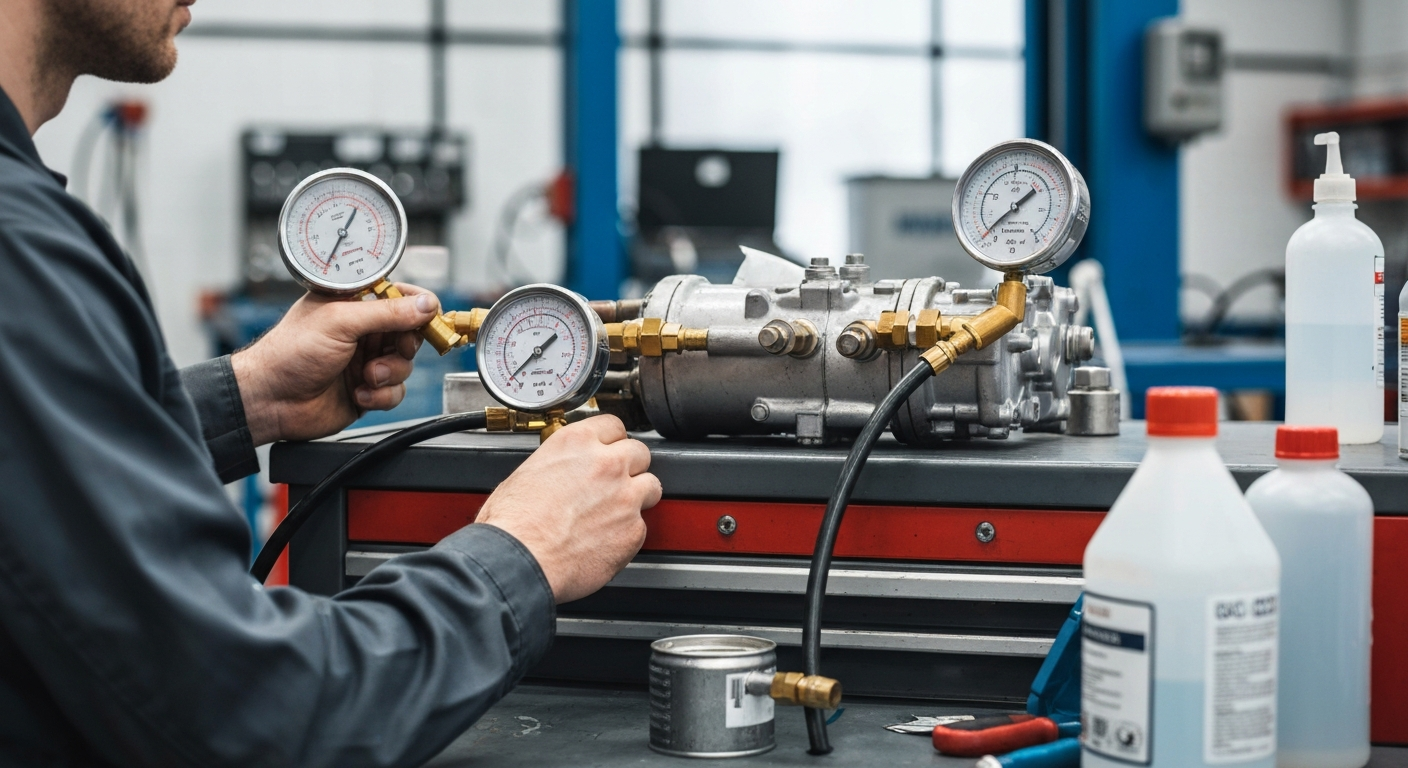
It’s 105°F outside, you’re sitting in bumper-to-bumper traffic on the 405, and your car’s air conditioning just gave up. Your windows are down, the air is hot and stale, and you’re sweating through your shirt. For Los Angeles drivers, a broken AC isn’t just uncomfortable—it’s a potential safety issue and a drain on your wallet if left unrepaired.
This comprehensive guide will walk you through everything you need to know about auto AC repair in Los Angeles, from understanding how your system works to recognizing warning signs early, understanding diagnostic processes, and knowing when to bring your vehicle to a professional. At Hyperion Auto Repair, our ASE-certified technicians have been diagnosing and repairing AC systems since 1985, and we’re here to help you get back to cool, comfortable driving.
Why AC Repair Matters in Los Angeles Climate
Los Angeles summers are no joke. With temperatures regularly exceeding 100°F and under-hood temperatures reaching 140°F or higher, your car’s air conditioning system works overtime. A functioning AC system does more than keep you comfortable—it’s essential for:
- Driver comfort and safety: Fatigue from heat reduces alertness and reaction times
- Vehicle performance: The AC system affects engine load and fuel efficiency
- Component longevity: Interior materials and electronics degrade faster in extreme heat
- Passenger safety: Especially critical for children, elderly passengers, and pets
Delaying AC repair in Los Angeles typically leads to minor issues becoming major, expensive problems. What starts as a refrigerant leak becomes a failed compressor. What seems like weak airflow might indicate a completely clogged condenser. The longer you wait, the more expensive the repair.
How Your Car’s AC System Works
Understanding your AC system helps you recognize problems early. Your vehicle’s air conditioning isn’t a simple “on/off” system—it’s a sophisticated refrigeration cycle involving multiple components working in precise harmony.
Key Components Explained
- Compressor: The heart of your AC system, driven by the engine’s serpentine belt. It pressurizes refrigerant gas into liquid form.
- Condenser: Located in front of your radiator, it cools the pressurized refrigerant, converting it from gas to liquid.
- Receiver/Dryer: Filters moisture and debris from the refrigerant, protecting system components.
- Expansion Valve/Orifice Tube: Regulates refrigerant flow to the evaporator.
- Evaporator: Located in your dashboard, it absorbs heat from cabin air and converts liquid refrigerant back to gas.
- Blower Fan: Circulates cooled air through your cabin vents.
- Hoses & Connections: High-pressure and low-pressure lines carry refrigerant throughout the system.
The Refrigeration Cycle
Here’s how it works: When you turn on the AC, the compressor pressurizes refrigerant gas, creating heat and high pressure. This hot, pressurized gas flows to the condenser, where outside air cools it, converting it to liquid. The liquid flows through the receiver/dryer (which removes moisture), then to the expansion valve, which regulates its flow to the evaporator. In the evaporator, the refrigerant expands and cools, absorbing heat from your cabin air. A fan blows this now-cold air into your cabin. The refrigerant (now a cool gas again) returns to the compressor, and the cycle repeats.
10 Warning Signs Your AC Needs Repair
Recognizing warning signs early can prevent emergency breakdowns and expensive repairs. Here are the most common symptoms of AC system problems:
1. Weak or No Cold Air
The most obvious sign. If your AC runs but produces little to no cold air, you likely have low refrigerant, a failed compressor, or a clogged condenser.
2. Warm Air Coming from Vents
Air that starts cold but quickly becomes warm suggests a refrigerant leak. This typically appears in the first few minutes of driving.
3. Strange Odors from AC Vents
A musty smell indicates mold or bacteria growing in your evaporator. A sweet smell suggests refrigerant leaks. An acrid smell could indicate electrical issues. None should be ignored.
4. Unusual Noises
Grinding, squealing, or clunking sounds when the AC is on suggest compressor issues, belt problems, or debris in the system.
5. AC Compressor Clutch Issues
If your AC cycles on and off repeatedly every few seconds instead of running continuously, the compressor clutch may be failing.
6. Visible Refrigerant Leaks
Oil stains on your condenser (located in front of the radiator) indicate refrigerant leaks. Also look under your car for puddles after parking.
7. Clogged Cabin Air Filter
Weak airflow even when the system is cold suggests a clogged filter. This is also the easiest fix—replacement typically takes 15 minutes.
8. Electrical Issues
If the AC compressor won’t engage (you don’t hear the compressor clutch click when turning on AC), suspect electrical problems with the compressor clutch or wiring.
9. Blocked Condenser
Debris, leaves, or dead bugs blocking airflow through the condenser reduce cooling efficiency. This is common after driving through dust storms.
10. System Age
Most AC systems operate efficiently for 8-10 years. If your car is older and you haven’t had recent service, a diagnostic inspection is wise.
AC Repair Diagnostic Process
Professional AC diagnostics follow a systematic approach to identify exactly what’s wrong. Here’s what happens when you bring your vehicle to Hyperion Auto Repair:
Step 1: Initial Visual Inspection
Our technicians examine the compressor, hoses, condenser, and connections for obvious leaks, damage, corrosion, or debris. We check belt tension and condition.
Step 2: Refrigerant Pressure Test
Using specialized AC manifold gauges, we measure both high-side and low-side pressures. This reveals refrigerant levels and system performance. Normal readings depend on ambient temperature and vehicle specifications.
Step 3: Electrical System Inspection
We test the compressor clutch engagement, electrical connections, and control circuits to ensure the compressor activates correctly when AC is engaged.
Step 4: Leak Detection
If pressure tests indicate low refrigerant, we use fluorescent dye or electronic leak detectors to pinpoint leak locations on hoses, connections, or components.
Step 5: Compressor Functionality Test
We test the compressor’s ability to build pressure and circulate refrigerant. A failing compressor typically won’t build proper high-side pressure.
Common AC Problems & Professional Solutions
Once we’ve diagnosed the issue, here’s what typical repairs involve:
Low Refrigerant Levels & Recharge
Cost: $239-$281 – If pressures are low but the system has no leaks, we evacuate the system completely, then recharge it with the correct refrigerant type (R-134a for most vehicles, R-1234yf for newer models) and proper oil lubricant.
AC Compressor Replacement
Cost: $1,546-$1,705 – A failed compressor is the most expensive repair. The compressor must be replaced, and the entire system must be flushed and refilled with fresh oil and refrigerant.
Condenser Issues
Cost: $400-$800 – Bent fins, corrosion, or internal blockage requires replacement. The condenser is typically accessible but labor-intensive to remove and reinstall.
Evaporator Replacement
Cost: $300-$600 – Located behind your dashboard, evaporator replacement is labor-intensive. We remove the dashboard, replace the evaporator, flush the system, and recharge.
Cabin Air Filter Replacement
Cost: $75-$150 – Simple maintenance that usually takes 15 minutes. Most cabin filters should be replaced annually, especially in dusty Los Angeles conditions.
Hose & Seal Failures
Cost: $150-$400 – Failed rubber hoses or seals can be replaced without replacing major components, making this a more affordable repair.
AC Repair Costs in Los Angeles: 2026 Pricing Guide
AC repair costs vary based on the specific problem, your vehicle type, and component availability. Here’s what to expect in Los Angeles:
- AC Diagnostic Service: $150-$200 (pressure test, leak detection, visual inspection)
- AC Recharge Service: $239-$281 (evacuation, system flush, refrigerant refill, oil lubricant)
- AC Compressor Replacement: $1,546-$1,705
- Condenser Replacement: $400-$800
- Evaporator Replacement: $300-$600
- Cabin Air Filter Replacement: $75-$150
- Refrigerant Leak Repair: $150-$400 (depending on leak location)
Luxury vehicles and newer cars with advanced climate control systems typically cost more due to specialized components and diagnostic requirements.
DIY vs. Professional AC Repair
While some AC maintenance can be DIY, most AC repairs require professional expertise and specialized tools.
What You Can DIY
- Cabin air filter replacement: Usually 15 minutes with no special tools
- Condenser cleaning: Remove debris and leaves from the condenser fins
- Visual inspections: Look for obvious leaks, damage, or loose connections
Why Professional Service is Essential
- Specialized equipment required: AC manifold gauges, leak detectors, recovery/recycle machines, and diagnostic tools aren’t typical homeowner tools
- EPA regulations: Refrigerant recovery is legally required and must follow EPA guidelines
- Precision requirements: System pressures must be exact. Too much or too little refrigerant damages components
- Safety hazards: High-pressure refrigerant lines can cause severe injury if mishandled
- Warranty protection: Professional service includes warranties on parts and labor
Preventative AC Maintenance
The best AC repair is prevention. Here’s how to keep your system running smoothly in Los Angeles:
Annual AC System Inspection
Before summer heat peaks, have your system professionally inspected. Small issues caught early prevent expensive mid-summer breakdowns.
Regular Refrigerant Top-ups
Even sealed systems lose small amounts of refrigerant (up to 1 ounce per year is normal). Annual recharges keep your system at peak efficiency.
Cabin Air Filter Changes
Los Angeles dust and pollution clog cabin filters quickly. Replace filters every 12-15 months or 15,000 miles.
Regular Compressor Maintenance
Run your AC even during winter for 10 minutes monthly to keep the compressor lubricated and seals flexible.
LA Climate Considerations
Park in shade when possible. Use sunshades on windshields. These simple steps reduce AC strain and extend system life.
Why Choose Hyperion Auto Repair for Your AC Service
Since 1985, Hyperion Auto Repair has been Los Angeles’s trusted name in professional automotive service. Here’s what sets us apart:
- ASE-Certified Technicians: Our entire team holds ASE certifications, ensuring expert diagnostics and repairs
- Free Multi-Point Inspections: Every AC service includes a comprehensive system inspection at no extra cost
- Warranty on All Repairs: We stand behind our work with full warranty coverage on parts and labor
- Family-Owned Since 1985: Three decades of serving Los Angeles with integrity and expertise
- Competitive Pricing: Transparent pricing with no hidden fees or surprise charges
- Located in Your Community: Convenient service right here in Los Angeles
When your AC needs repair, trust the professionals who know Los Angeles drivers’ needs. Visit our professional air conditioning repair page for more detailed information about AC services, or schedule your free multi-point inspection today.
Schedule Your AC Repair Today
Don’t sweat through another Los Angeles summer. If you’re experiencing AC problems, contact Hyperion Auto Repair for expert diagnostic and repair service. Our ASE-certified technicians will identify exactly what’s wrong, provide transparent pricing, and get your system back to optimal cooling performance.
Hyperion Auto Repair
1845 Hyperion Avenue
Los Angeles, CA 90027
Phone: (323) 667-3180
Professional Auto Care You Can Trust
We’re committed to keeping you cool and safe on Los Angeles roads. Experience the Hyperion Auto Repair difference today.