
Brake Pads Replacement Cost in Los Angeles: Complete 2026 Pricing & Service Guide
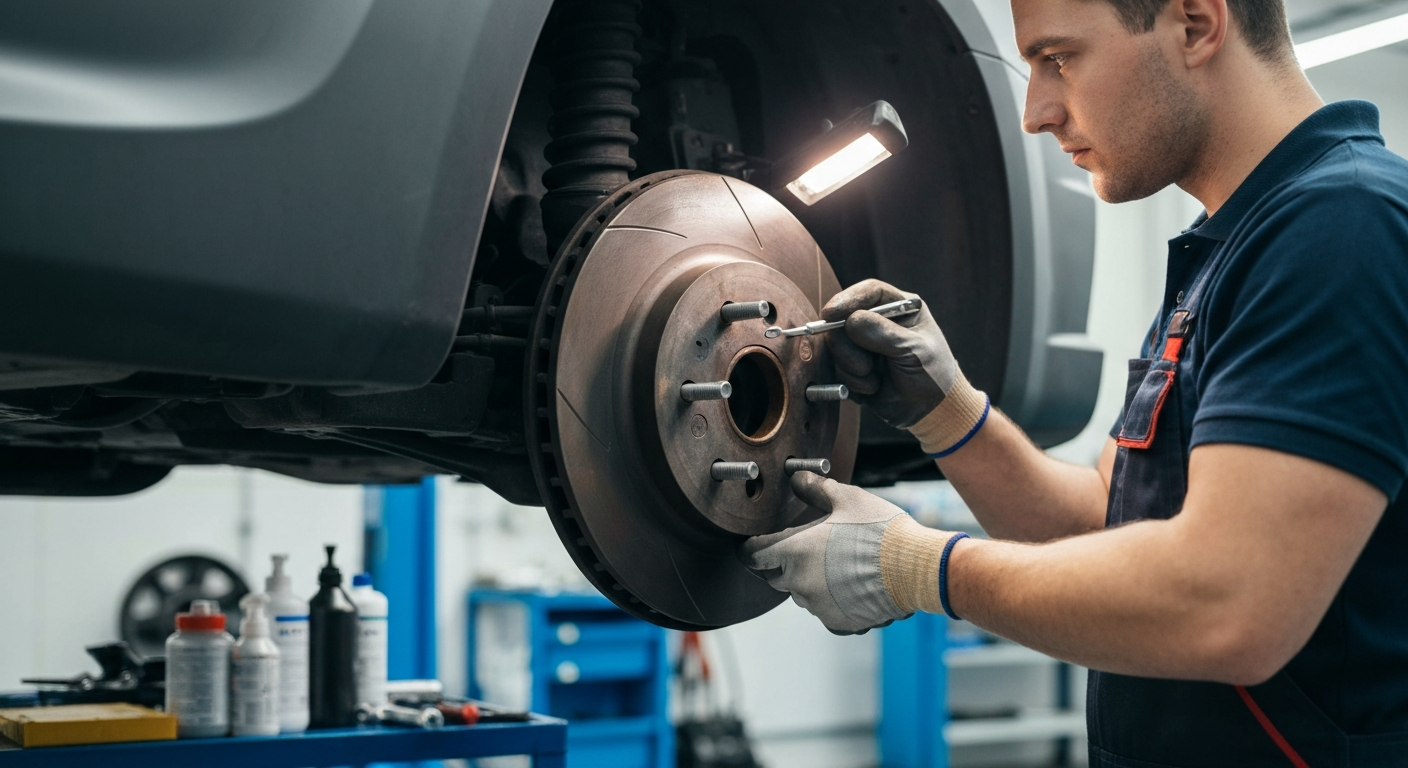
Your vehicle’s braking system is one of the most critical safety features. Brake pads are the components that create friction against your rotors to stop your vehicle, and they wear down over time. If you’re concerned about your brake pads or wondering about replacement costs, you’ve come to the right place. This comprehensive guide covers everything Los Angeles drivers need to know about brake repair services in Los Angeles, pricing, and when replacement is necessary.
Understanding Brake Pad Replacement Costs
Brake pad replacement is one of the most common vehicle maintenance services. The cost to replace brake pads typically ranges from $100 to $300 per axle, depending on several factors. Most vehicles have two axles (front and rear), so budget between $200-$600 for a complete brake pad replacement across all four pads.
It’s important to understand that this price range covers a wide spectrum. Budget brake pads from economy brands might cost $100-$150 per axle, while premium performance or ceramic pads could cost $200-$300 per axle. The price also varies based on your vehicle type—luxury vehicles and high-performance cars often require more expensive replacement components.
Several factors affect the final cost you’ll pay:
- Brake pad type: Ceramic, organic, or metallic pads come at different price points
- Vehicle make and model: Luxury and performance vehicles require specialized pads
- Your location: Labor rates in Los Angeles tend to be higher than national averages
- Additional repairs: If rotors need resurfacing or replacement, costs increase significantly
- Professional shop reputation: ASE-certified shops like Hyperion typically charge for expertise but guarantee quality
Brake Pad Types and Their Costs
Not all brake pads are created equal. Understanding the three main types helps you make an informed decision about what’s best for your vehicle and driving style.
Ceramic Brake Pads
Ceramic brake pads are composed of ceramic material mixed with metal bonding agents. They’re the most popular choice for modern vehicles because they offer an excellent balance of performance, longevity, and safety.
Cost: $150-$300 per axle (typically the mid-to-premium range)
Benefits:
- Quiet operation (minimal squealing)
- Long lifespan (50,000-70,000 miles average)
- Excellent stopping power
- Produces less brake dust
- Consistent performance in various weather conditions
Considerations: Slightly more expensive upfront but provide excellent value over time due to extended lifespan.
Organic (Non-Asbestos) Brake Pads
Organic brake pads are made from carbon, rubber, and resin materials. They’re often called “NAO” (Non-Asbestos Organic) pads and were common in older vehicles.
Cost: $100-$150 per axle (most affordable option)
Benefits:
- Lower initial cost
- Good braking performance for normal driving
- Softer material reduces wear on rotors
- Quieter than metallic pads
Considerations: Shorter lifespan (25,000-40,000 miles), generate more brake dust, and may not perform as well in heavy-duty braking situations.
Metallic Brake Pads
Metallic brake pads contain up to 65% metal content (iron, copper, steel) mixed with organic materials. They’re designed for high-performance and heavy-duty applications.
Cost: $200-$300+ per axle (premium pricing)
Benefits:
- Superior stopping power for towing and heavy loads
- Better heat dissipation
- Extended lifespan in demanding conditions
- Ideal for performance vehicles and mountain driving
Considerations: Noisier operation, generate more brake dust (requires frequent wheel cleaning), and can accelerate rotor wear over time.
Cost Breakdown: Parts vs. Labor
When you get a brake pad replacement estimate, understanding the breakdown helps you recognize fair pricing. The total cost consists of two main components:
Parts Cost (30-40% of total): This covers the brake pads themselves. As discussed above, this typically ranges from $100-$300 per axle depending on the type and quality.
Labor Cost (60-70% of total): This covers the mechanic’s time and expertise to safely remove wheels, inspect the brake system, remove old pads, install new ones, and test the braking system. Professional brake pad replacement typically takes 1-2 hours per axle.
In the Los Angeles area, ASE-certified technicians typically charge $100-$150+ per hour in labor. A two-hour job would mean $200-$300 in labor alone. This is why professional shops in Los Angeles might quote $400-$600 for a complete front brake pad replacement—the parts ($150-$300) plus labor ($250-$300).
Why professional installation matters:
- Proper bleeding and adjustment of brake systems
- Inspection of rotors, calipers, and brake lines
- Correct torque specifications for safety
- Quality warranty on parts and labor
- Diagnostic equipment to ensure optimal braking performance
Warning Signs Your Brake Pads Need Replacement
Don’t wait for a complete brake failure. Signs your brakes need service include several early warning indicators that professional mechanics look for during inspections.
Squealing or Squeaking Sounds
If you hear a high-pitched squealing sound when you brake, your brake pads are likely nearing the end of their lifespan. Most brake pads include a wear indicator—a small metal shim that makes contact with the rotor when pads wear down, producing this squealing sound. This is an intentional design feature to alert drivers before pads become dangerously worn.
What to do: Schedule brake service within the next few days. Your pads probably have 10-20% life remaining.
Grinding Noises
A grinding metal-on-metal sound is a serious warning sign. It means your brake pads have worn completely, and you’re now braking with bare metal. This causes significant rotor damage and compromise to braking safety.
What to do: STOP driving immediately except to reach a repair shop. Grinding brakes create a safety hazard for you and others on the road.
Reduced Braking Performance
If your vehicle takes longer to stop than usual, or if your brake pedal feels soft or spongy, worn brake pads might be the culprit. You might need to press the pedal harder or further to achieve the same braking force.
What to do: Schedule a professional brake inspection immediately. Reduced braking performance is a critical safety issue.
Brake Pad Wear Indicator Light
Most modern vehicles have a brake pad wear sensor. When pads reach minimum thickness, a warning light appears on your dashboard. This is your vehicle’s built-in alert system.
What to do: Schedule brake service within a week. Your pads are officially worn to the replacement point.
How Often Do Brake Pads Need Replacement?
Brake pad lifespan varies significantly based on driving habits, vehicle weight, and local conditions. On average, brake pads last between 25,000 and 70,000 miles.
Factors affecting brake pad longevity:
- Driving style: Aggressive braking, frequent hard stops, and sudden deceleration wear pads faster. Smooth, gradual braking extends pad life
- Traffic conditions: Stop-and-go city driving (like Los Angeles traffic) causes more brake pad wear than highway driving
- Vehicle weight: Heavier vehicles and those that tow trailers put more stress on brake pads
- Road conditions: Mountain driving, frequent downhill braking, and harsh terrains accelerate wear
- Climate: Extreme heat and humidity can affect brake pad performance and lifespan
- Pad quality: Premium ceramic pads last longer than budget organic pads
Typical replacement timelines:
- Normal urban driving: 40,000-50,000 miles
- Highway-dominated driving: 60,000-70,000 miles
- Aggressive driving: 25,000-35,000 miles
- Heavy-duty or towing use: 20,000-30,000 miles
Most manufacturers recommend having your brakes inspected annually or every 12,000 miles. This proactive approach catches worn pads before they damage your rotors.
Why Regular Brake Pad Maintenance Prevents Costly Damage
Ignoring worn brake pads is a false economy. The cost of ignoring this maintenance is far higher than the cost of timely replacement.
Rotor Damage
When brake pads wear completely, metal-on-metal contact between the pad backing and the rotor causes scoring and warping. Brake rotor resurfacing and replacement costs $200-$400 per axle. If both front rotors need replacement, you’re looking at $400-$800 in additional costs—easily double or triple the cost of preventive brake pad replacement.
Caliper Damage
Severe brake pad wear can damage brake calipers, the components that hold the pads and apply pressure. Caliper replacement costs $300-$600 per axle. A vehicle with damaged front and rear calipers could need $1,200-$2,400 in repairs.
Safety Hazards
Beyond cost, worn brakes create real safety dangers:
- Longer stopping distances in emergency situations
- Brake failure risk on mountain roads or during heavy traffic
- Loss of vehicle control during braking
- Risk to you, your passengers, and other drivers
The math is clear: $400 for preventive brake pad replacement is far better than $1,500-$2,400 for brake system repairs plus the safety risks of worn brakes.
Los Angeles Driving and Brake Pad Wear
Los Angeles drivers face unique challenges that accelerate brake pad wear. Understanding these factors helps you anticipate when you’ll need service.
Stop-and-go traffic: LA’s famous congestion means constant braking throughout your commute. Heavy freeway traffic during rush hours, combined with city street driving, puts more pressure on brake systems than steady highway driving.
Hills and elevation changes: Neighborhoods like Silver Lake, Los Feliz, and Eagle Rock feature significant elevation changes. Downhill driving requires sustained braking, which heats brake components and accelerates pad wear.
Heat and humidity: Southern California’s heat affects brake fluid viscosity and can accelerate brake pad wear in some conditions.
Typical Los Angeles brake pad lifespan: Most LA drivers experience brake pad wear at the faster end of the spectrum—closer to 35,000-50,000 miles rather than 60,000-70,000 miles you might get in steady highway driving.
Recommendation for LA drivers: Get your brakes inspected annually, especially if you drive primarily in city conditions. This prevents unexpected failures during heavy traffic situations.
Professional Brake Pad Replacement at Hyperion Auto Repair
When it’s time to replace your brake pads in Los Angeles, choosing the right shop makes a difference. Hyperion Auto Repair brings decades of expertise to brake service.
Why choose Hyperion for your brake service:
- ASE-Certified Technicians: Our mechanics are certified by the National Institute for Automotive Service Excellence, ensuring they meet rigorous standards for technical knowledge and repair quality
- Family-Owned Since 1985: Nearly 40 years of trusted service in Los Angeles gives us deep knowledge of local driving conditions and vehicle needs
- Free Multi-Point Inspections: When you bring your vehicle in for brake service, we perform a free multi-point vehicle inspection to identify any other maintenance needs
- Warranty on All Repairs: We stand behind our work. All brake pad replacements and repairs come with our warranty guarantee
- Professional Equipment: We use diagnostic equipment to measure brake pad thickness accurately and ensure your entire brake system functions optimally
- Honest Pricing: No hidden fees or pressure to replace components you don’t need. We explain exactly what your vehicle needs and why
- Complementary Services: Brake service often reveals needs for related maintenance like professional brake fluid service
Frequently Asked Questions About Brake Pad Replacement
Can I Replace Brake Pads Myself?
Brake pad replacement is one of the more accessible DIY vehicle repairs—IF you have proper tools, a safe work environment, and mechanical experience. You’ll need a jack, jack stands, lug wrench, and brake pad tools. However, professional replacement offers advantages:
- Proper torque specifications for wheel bolts
- Brake system bleeding if needed
- Rotor inspection and resurfacing if necessary
- System testing with professional equipment
- Warranty coverage
For most Los Angeles drivers, professional installation is worth the cost for safety and peace of mind.
Do I Always Need New Rotors When Replacing Pads?
Not always, but sometimes. During brake pad replacement, technicians inspect rotor condition. Rotors need replacement when:
- They’re scored or deeply grooved
- They’ve warped (measured by lateral run-out)
- They’ve thinned below the minimum safe thickness
- The pads were left worn too long, damaging the rotor surface
Many brake pad replacements require rotor resurfacing (smoothing the surface) but not replacement. This typically costs $50-$150 per rotor, much less than replacement at $100-$200+ per rotor.
How Long Does Brake Pad Replacement Take?
A straightforward brake pad replacement typically takes 1-2 hours:
- Front pads only: 1 hour
- Rear pads only: 1-1.5 hours
- Front and rear (all four pads): 1.5-2 hours
If rotors need resurfacing or replacement, add 30 minutes to 1 hour. At professional shops, this is usually same-day service, though you might wait a few hours.
Should I Replace All Four Brake Pads at Once?
Yes, and here’s why: Your vehicle’s front brakes do 70-80% of the braking work, so front pads wear faster than rear pads. However, braking balance depends on having even stopping power front and rear. If you only replace the front pads, your rear brakes work harder to compensate, wearing faster. This creates uneven wear patterns and reduces brake efficiency.
Best practice: Replace all four pads at the same time, even if the rears have more life remaining. Your entire brake system functions more safely and evenly.
Schedule Your Brake Service Today
Your brakes are too important to ignore. Whether you’ve noticed warning signs, your brake warning light is on, or you simply want to maintain your vehicle’s safety, Hyperion Auto Repair is here to help.
Call us at (323) 667-3180 to schedule your free brake inspection. We’ll measure your brake pad thickness, inspect rotors and calipers, and give you honest recommendations about what your vehicle needs. No pressure, no hidden fees—just professional care from ASE-certified technicians who’ve been serving Los Angeles drivers since 1985.
Located at 1845 Hyperion Avenue, we’re conveniently positioned to serve Silver Lake, Los Feliz, Eagle Rock, Highland Park, and throughout greater Los Angeles. Whether you need brake pads replaced today or just want peace of mind about your braking system, contact Hyperion Auto Repair now.
Your safety is our priority. Let’s get your brakes right.