
Complete Guide to Brake Repair Near Me: Warning Signs, Costs & Expert Service in Los Angeles
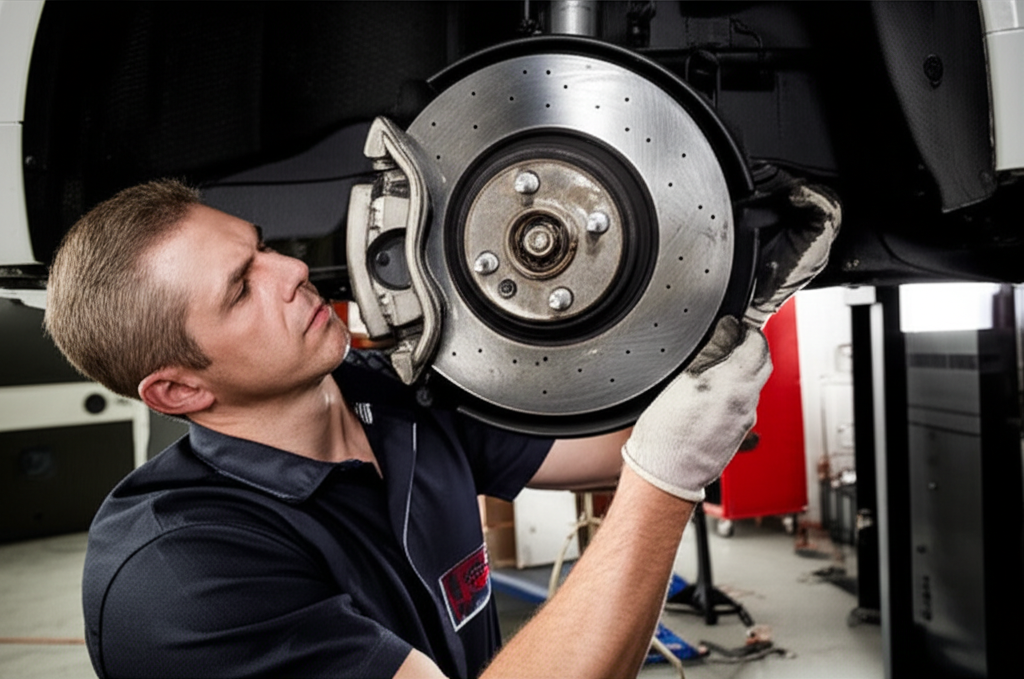
Your vehicle’s brakes are one of the most critical safety systems you depend on every single day. Whether you’re navigating Los Angeles traffic or taking a weekend drive, properly functioning brakes mean the difference between safety and disaster. If you’re searching for “brake repair near me,” you’re likely experiencing warning signs that demand professional attention. This comprehensive guide will help you understand what your brakes need, what to expect from professional service, and why choosing the right repair shop matters.
Warning Signs Your Brakes Need Repair
Recognizing brake problems early is essential for your safety. Don’t ignore these telltale signs that indicate your brakes need professional evaluation.
Squeaking or Squealing Sounds
One of the earliest indicators that your brakes need attention is a squeaking or squealing noise when you apply the brakes. Generally, brake pads wear indicators are metal tabs that contact rotors when pads wear down, creating squealing sounds. This sound typically comes from wear indicators built into your brake pad design. As brake pads wear down, these metal tabs contact the rotor, creating that distinctive high-pitched squeal. While squeaking doesn’t always mean an emergency, it’s your brake system’s way of telling you that pad replacement is coming soon. Some drivers also experience squeaking due to moisture on the rotors, especially after rain or car washes, but if the noise persists during normal driving, professional inspection is warranted.
Grinding Noises
Grinding is a more serious warning sign than squeaking. Generally, grinding in brakes indicates metal-to-metal contact where brake pads have worn completely through to the rotor. This harsh, metallic sound indicates that your brake pads have worn completely through to the rotor, creating metal-to-metal contact. This condition requires immediate attention because continued driving with grinding brakes damages the rotors and other brake components, leading to more expensive repairs. If you hear grinding, schedule brake service right away and avoid extended driving until repairs are complete.
Soft or Spongy Brake Pedal
If your brake pedal feels soft or spongy and doesn’t provide the firm resistance you expect, several issues could be responsible. Common causes include air in the brake lines, low brake fluid levels, or failing brake seals. A soft pedal indicates your braking system isn’t functioning optimally, and professional diagnosis is essential to determine the exact problem.
Brake Pads Wearing Thin
During a complete guide to brake pads and their warning signs, technicians measure pad thickness directly. Generally, new brake pads typically measure between 8-12mm thickness, with replacement becoming necessary around 3-5mm thickness. Most brake pads measure between 8-12mm when new, and replacement becomes necessary around 3-5mm thickness. Different driving styles, road conditions, and vehicle weight all affect wear rates, which is why your brake pads may not wear identically to someone else’s vehicle.
Increased Stopping Distance
If you notice that your vehicle requires more distance to stop, or if you’re pressing the brake pedal harder than usual to achieve the same stopping power, your brakes need professional attention. This condition compromises safety and should never be ignored.
Understanding Brake System Components
To appreciate why professional brake repair matters, it helps to understand the interconnected components that work together to stop your vehicle.
Brake Pads
Brake pads are the friction material that contacts your rotors to create stopping power. They’re designed as replaceable components that wear over time. Generally, brake pads typically last between 25,000 to 70,000 miles depending on driving habits. Modern brake pads typically last between 25,000 to 70,000 miles, depending on driving habits and conditions. Some pads are semi-metallic, others are organic, and premium ceramic pads offer different performance characteristics.
Rotors and Drums
Rotors are the smooth discs that brake pads squeeze against to create friction. Drums (found on some rear brake systems) serve a similar function. Over time, rotors can develop grooves, rust, or glazing. When you need brake rotor resurfacing or replacement, technicians evaluate whether rotors can be reused or must be replaced entirely. Modern resurfacing equipment allows shops to return rotors to precise specifications when safe to do so.
Brake Fluid
Your brake system relies on fluid to transmit pressure from the pedal to the calipers and wheel cylinders. Over time, brake fluid absorbs moisture from the air, which can compromise braking performance and cause corrosion. Professional brake service includes fluid checks and periodic exchanges to maintain optimal system function. Brake fluid may need to be changed every 2 years or 20,000 miles as recommended by manufacturers.
Calipers and Wheel Cylinders
Calipers (on disc brake systems) and wheel cylinders (on drum brake systems) convert hydraulic pressure into mechanical force, pushing the pads or shoes against the rotors or drums. When these components wear out or malfunction, they must be rebuilt or replaced by a qualified technician.
ABS System
Your vehicle’s Anti-Lock Braking System (ABS) generally prevents wheel lockup during emergency braking. Generally, anti-lock braking system (abs) prevents wheel lockup during emergency braking. An illuminated ABS warning light indicates a system malfunction that requires professional diagnostic scanning to identify the specific problem.
Common Brake Repair Services
Understanding the specific services brake shops offer helps you make informed decisions about necessary repairs.
Brake Pad Replacement
This is the most common brake service. A technician removes the wheel, extracts the old pads, inspects the rotors, cleans the brake hardware, installs new pads, and tests the brakes. Generally, brake pad replacement typically takes 30-60 minutes per axle, depending on your vehicle and the pad quality selected.
Rotor Resurfacing or Replacement
If rotors are damaged but not beyond safe limits, resurfacing (turning) the rotor removes the damaged surface layer, restoring a smooth braking surface. However, if rotors are too thin, cracked, or severely damaged, replacement is the only safe option. A professional brake shop evaluates rotor condition and recommends the appropriate service.
Brake Fluid Exchange
During a brake fluid exchange, technicians flush out old fluid and replace it with fresh fluid that meets manufacturer specifications. This service removes accumulated moisture and contaminants that compromise braking performance.
Caliper Replacement
When calipers fail to retract properly or leak fluid, they must be replaced. Some shops offer rebuilt calipers at lower cost than new units, while others recommend new components for reliability. Quality shops stand behind their caliper work with extended warranties.
Brake Line Repair
Corrosion, cracks, or damage to brake lines compromise system integrity. Professional technicians can repair or replace brake lines while ensuring all connections meet manufacturer specifications and safety standards.
The Brake Inspection Process
Professional brake service begins with a thorough inspection that identifies current and potential problems.
Visual Inspection
A technician removes wheels and visually examines pad thickness, rotor condition, brake fluid color, and hose integrity. This initial assessment determines what services are immediately necessary and what maintenance will prevent future problems.
Performance Testing
Before returning your vehicle, technicians test brake responsiveness, pedal feel, and stopping power. Many shops include a test drive to verify repairs meet safety standards.
Diagnostic Scan
If warning lights illuminate or the ABS system requires evaluation, technicians connect diagnostic equipment to read fault codes and identify the specific system failure.
What to Expect: Brake Repair Timeline
Simple brake pad replacement typically takes 30-90 minutes. More complex services like caliper replacement or rotor work may require 1-3 hours. If significant damage is discovered during inspection, additional time may be needed. Professional shops in Los Angeles provide time estimates upfront so you can plan accordingly.
Some brake conditions require immediate attention and shouldn’t wait. If you experience grinding, a soft pedal, or warning lights, schedule service the same day or avoid extensive driving until repairs are complete.
Brake Repair Costs in Los Angeles
Brake repair costs vary based on your vehicle, the specific services needed, and the shop you choose. Here’s what you can typically expect in the Los Angeles market:
Budget Brake Service
Basic brake pad replacement with quality pads starts around $150-$250 per axle. This service includes pad replacement and rotor inspection but not rotor resurfacing unless needed.
Mid-Range Options
If rotors need resurfacing, expect to add $50-$150 per axle. Brake fluid exchange typically costs $100-$150, and caliper-related work ranges from $200-$500 per caliper depending on whether components are rebuilt or replaced.
Premium Services
Comprehensive brake service on both axles with new rotors and premium pads can reach $600-$1,000. Premium ceramic brake pads cost more than semi-metallic options but offer quieter operation and better heat dissipation.
Several factors affect pricing: your vehicle make and model (luxury vehicles often have more expensive parts), brake pad quality (ceramic vs. semi-metallic), rotor condition (replacement vs. resurfacing), and shop location. Los Angeles shops may charge slightly higher labor rates than rural areas due to higher operating costs.
Why Choose Professional Brake Service
While some vehicle owners attempt brake work themselves, professional service offers significant advantages for safety and reliability.
ASE Certification & Expertise
ASE-certified brake technicians have demonstrated expertise through rigorous testing and hands-on experience. When you choose a shop with ASE-certified technicians, you’re selecting professionals who understand brake system complexity and stay current with evolving technology. Hyperion Auto Repair’s ASE-certified team brings decades of combined experience to every brake repair.
Proper Diagnostics
Professional shops have diagnostic equipment that identifies problems DIY approaches might miss. A shop performing professional brake service can evaluate your complete brake system, not just obvious problems, preventing future failures.
Quality Parts & Warranty
Reputable shops source brake parts from quality manufacturers and stand behind their work with warranties. This protection gives you peace of mind that your brakes will function reliably.
Safety First Approach
Brake failure creates serious safety risks. Professional shops follow manufacturer specifications, use proper tools, and test brakes before returning your vehicle. This commitment to safety is something DIY work cannot match.
Choosing the Right Brake Repair Shop Near You
Not all brake shops offer the same quality and expertise. Here’s how to identify a trustworthy facility.
Signs of a Trustworthy Shop
Look for shops with ASE-certified technicians, clear warranty policies, transparent pricing, and positive customer reviews. Trustworthy shops explain what they find during inspection and discuss options before recommending services. They never pressure customers into unnecessary work and provide itemized estimates detailing labor and parts.
Questions to Ask
Ask about technician certifications, warranty coverage on parts and labor, and whether the shop offers a free multi-point inspection. Understand exactly what services are being recommended and why. A good shop welcomes questions and takes time to explain the work.
Preventative Brake Maintenance
You can extend brake life and maintain reliable braking performance through preventative care.
Regular Inspections
Schedule brake inspections annually or every 15,000 miles, even if you don’t notice warning signs. Early detection of wear prevents emergency situations and reduces repair costs.
Proper Driving Habits
Aggressive braking wears pads faster than gentle, gradual stopping. When possible, anticipate stops and apply brakes smoothly. In Los Angeles traffic, this may seem impossible, but conscious braking habits still extend brake life. Additionally, avoid excessive downhill braking on mountain roads; use lower gears to control speed and reduce brake load.
Brake Fluid Care
Environmental factors like heat, moisture, and road salt affect brake fluid condition. Regular fluid checks and periodic exchanges (typically every 2 years) maintain system integrity. In Los Angeles, where vehicles experience significant heat variation, fluid care becomes even more important. Additionally, proper wheel alignment reduces uneven brake pad wear caused by alignment problems.
Brake Repair Near You: Finding Expert Service in Los Angeles
When brake problems strike, convenience matters. Finding expert service nearby means less downtime and faster return to normal driving.
Why Location Matters
A local brake shop understands Los Angeles driving conditions—heavy traffic, hill driving, and hot weather—all of which affect brake wear differently than other regions. Local shops also provide faster service and build relationships with customers, offering personalized attention.
Hyperion Auto Repair: Your Local Brake Experts
Located in Los Angeles since 1985, Hyperion Auto Repair has served generations of Los Angeles drivers with reliable brake repair. Our ASE-certified technicians specialize in brake service for all vehicle makes and models. We provide free multi-point inspections, transparent pricing, and warranty protection on all brake work. Whether you need emergency brake repair or preventative maintenance, Hyperion’s team brings expertise and trustworthiness to every job.
We understand that brake problems create stress. That’s why we focus on clear communication, fair pricing, and quick turnaround. When you bring your vehicle to Hyperion, you’re trusting professionals committed to your safety.
Conclusion: Protect Your Safety with Professional Brake Service
Your brakes are too important to neglect. Warning signs like squeaking, grinding, soft pedals, or increased stopping distance demand professional attention. Whether you’re experiencing brake problems now or want to prevent future issues, professional service protects your safety and your investment.
Don’t delay when you discover brake problems. Contact Hyperion Auto Repair today for a free multi-point inspection and expert evaluation. Our ASE-certified technicians will identify any issues and provide transparent recommendations. Call (323) 667-3180 or visit us at 1845 Hyperion Avenue in Los Angeles. Your safety depends on reliable brakes—trust the experts.