
Car Battery Replacement: Complete Guide to Warning Signs, Costs, and Professional Service
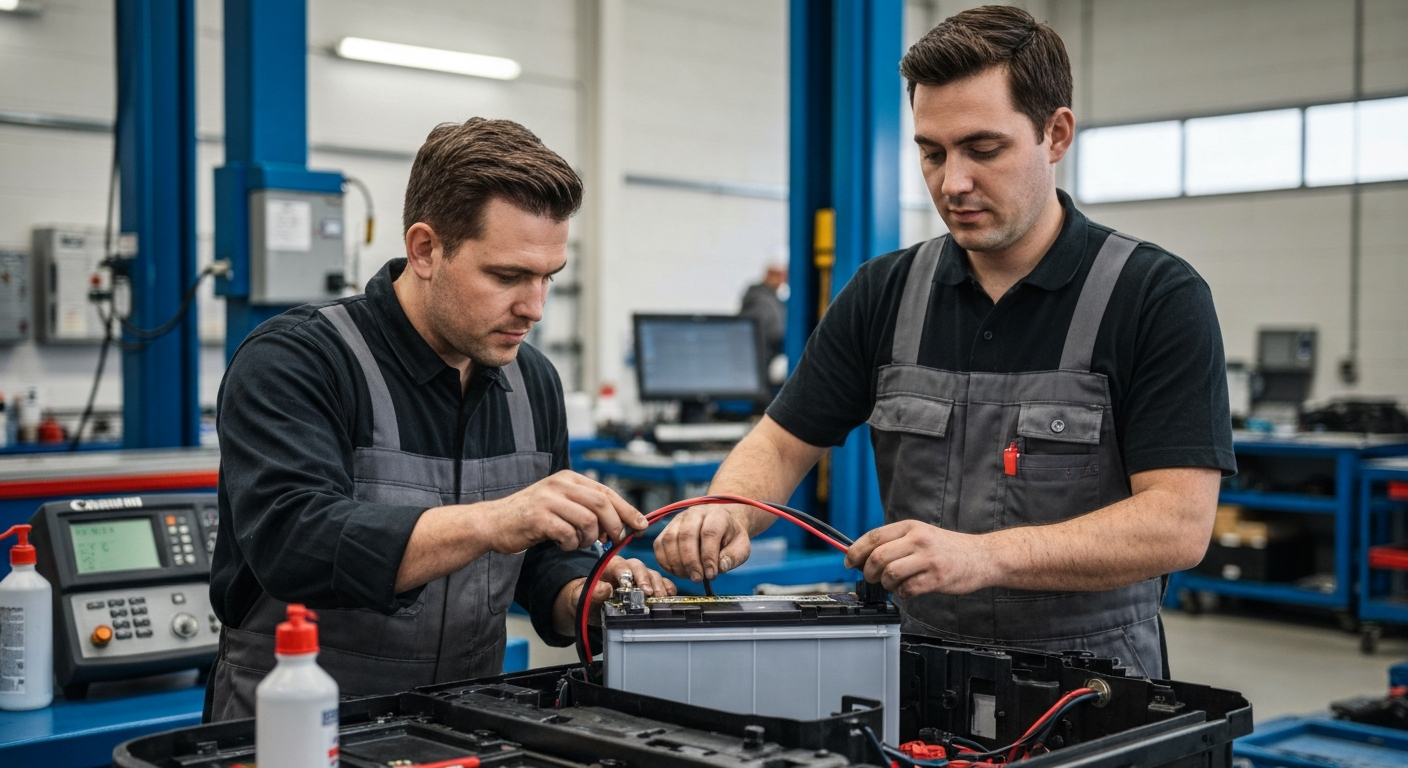
Your car’s battery is one of the most critical components in your vehicle—and often the most overlooked until it fails. In Los Angeles, where summer heat can exceed 100°F and traffic patterns put unique demands on your electrical system, understanding battery replacement is essential for maintaining vehicle reliability and avoiding costly roadside emergencies.
At Hyperion Auto Repair, our ASE-certified technicians have been providing professional battery service to Los Angeles drivers for over 40 years. In this comprehensive guide, we’ll explain everything you need to know about battery replacement, from recognizing warning signs to understanding costs and why professional service matters.
Why Your Car Battery Matters
Your vehicle’s battery serves as the primary power source for starting your engine and supporting all electrical components. In modern vehicles, the battery’s role extends far beyond simply cranking the engine. Today’s cars feature sophisticated electrical architectures that include advanced engine management systems, safety technologies, anti-lock brakes, airbag systems, and infotainment systems that all depend on consistent battery power.
The battery must provide:
- Starting power: The initial cranking force to turn your engine over
- Electrical stability: Steady voltage for sensitive computer modules
- Accessory power: Energy for lights, wipers, radio, and climate control
- System protection: Prevention of damage to expensive electronic components
When your battery weakens, these systems don’t receive adequate power, and you’ll experience a cascade of problems—from sluggish starts to complete electrical failure.
How Long Do Car Batteries Last?
Most car batteries last between 3 to 5 years, though this varies based on several factors. The average lifespan has remained relatively consistent over the past two decades, despite advances in battery technology.
In Los Angeles specifically, the hot climate accelerates battery degradation. High temperatures cause the chemical reactions inside the battery to occur more rapidly, leading to faster internal wear and reduced capacity. A battery that might last 5 years in a cooler climate may only last 3-4 years in our region.
Factors that affect battery lifespan:
- Climate: Heat speeds up degradation; cold reduces starting power but doesn’t damage the battery
- Driving patterns: Frequent short trips prevent full recharge cycles
- Electrical demands: Extra accessories draw more power continuously
- Maintenance: Regular inspections and terminal cleaning extend life
- Vehicle age: Older vehicles with higher electrical loads stress batteries more
Regular battery testing can help you identify a weakening battery before it fails completely, allowing you to schedule replacement at your convenience rather than facing an emergency breakdown.
Warning Signs Your Battery Needs Replacement
The best way to avoid being stranded is to recognize the early warning signs of battery failure. If you notice any of these symptoms, schedule a professional inspection immediately:
1. Slow or Hesitant Engine Cranking
This is the most common and earliest sign of battery trouble. When you turn the key, the starter turns slowly, or the engine takes several attempts to fire. This indicates insufficient cranking power—a classic sign your battery is losing capacity. In Los Angeles heat, this symptom often appears suddenly after weeks of normal operation.
2. Dim Headlights and Interior Lights
Notice your headlights dimming when idling, or interior dome lights appearing noticeably dimmer than usual? A weakening battery can’t maintain adequate voltage to power your lighting systems effectively. This is especially noticeable at night and becomes more pronounced as the battery continues to fail.
3. Dashboard Warning Lights
Modern vehicles include a battery warning indicator on the dashboard. If this light appears, it means your vehicle’s computer has detected an electrical system problem. Additionally, a check engine light can sometimes indicate battery or charging system issues. Don’t ignore these warnings.
4. Electrical Component Failures
Does your radio lose its preset stations? Does your clock reset itself? Are power windows operating intermittently? These symptoms suggest electrical instability caused by a failing battery. Your vehicle’s computer memory requires constant power to maintain settings, and a weak battery can’t provide it.
5. Visible Physical Damage
Inspect the battery itself. Look for:
- Cracks or bulging in the battery case
- Corrosion around terminals (white, blue, or green crusty deposits)
- Loose or corroded cable connections
- Leaking battery acid
Physical damage means replacement should happen immediately—a damaged battery can fail without warning.
6. Age-Related Concerns
If your battery is 3 years old or older and hasn’t been professionally tested recently, schedule a diagnostic. Even if it seems to be working fine, a battery this age may be near the end of its usable life. Testing will reveal its actual capacity and remaining lifespan.
Factors That Accelerate Battery Wear in Los Angeles
Los Angeles drivers face unique challenges that accelerate battery wear beyond normal conditions:
Extreme Heat
Los Angeles summers regularly exceed 100°F, and parked cars can reach even higher interior temperatures. Heat causes battery fluid to evaporate more quickly and accelerates the chemical reactions that degrade battery components. Research shows that for every 50°F increase in operating temperature above 77°F, battery life is cut in half. Our Los Angeles climate is brutal on batteries.
Short, Frequent Trips
Los Angeles traffic often means stop-and-go driving with frequent short trips to nearby destinations. This driving pattern prevents the alternator from fully recharging the battery. On short trips (under 10 minutes), your battery discharges starting power but doesn’t fully recharge before the engine shuts down again.
Extended Parking Periods
Modern vehicles draw continuous electrical loads even when parked—powering security systems, computer modules, and various monitoring functions. If your car sits idle for extended periods, this parasitic drain can deplete your battery.
Electrical System Stress
Additional accessories (upgraded audio systems, extra lighting, phone chargers) increase electrical demands. In stop-and-go traffic with air conditioning running constantly (essential in LA summer heat), your battery is continuously strained.
Age Combined with Stress
A 4-year-old battery in Los Angeles is equivalent to a 5-6 year-old battery in a cooler climate. The combination of age and heat stress means LA drivers should be especially vigilant about battery condition.
The Battery Replacement Process
When your battery needs replacement, professional service ensures the job is done correctly. Here’s what the process involves:
Step 1: Professional Diagnostic Testing
Before replacing a battery, our technicians perform a comprehensive electrical system test using professional battery analyzers. This testing measures:
- Current battery voltage and capacity
- Cold cranking amperage (CCA)
- Charging system output
- Starter motor draw
- Alternator performance
This diagnostic approach ensures the battery is actually the problem—not a failing alternator or starter that will continue to plague you after battery replacement.
Step 2: Proper Battery Selection
We select a battery matched to your vehicle’s exact specifications for:
- Group size (physical dimensions)
- Cold cranking amps (CCA)
- Reserve capacity
- Manufacturer requirements
Using a battery with incorrect specifications can lead to inadequate power or fitment problems.
Step 3: Expert Installation
Our ASE-certified technicians install the new battery with proper:
- Terminal connections and torque specifications
- Battery monitoring system registration (for newer vehicles)
- Secure mounting to prevent vibration damage
Step 4: Electrical System Verification
After installation, we test the charging system to confirm:
- The alternator is charging properly
- Voltage regulator is functioning correctly
- All electrical systems are operating normally
This verification ensures your new battery is being maintained properly and won’t fail prematurely.
Step 5: Terminal Cleaning and Protection
We clean any corrosion from battery terminals and cable connections, then apply protective treatment to prevent future corrosion. Poor terminal connections are a common cause of charging problems.
Step 6: Proper Disposal
Your old battery is recycled responsibly in compliance with California environmental regulations. Lead-acid batteries contain recyclable materials and hazardous substances that require proper handling—we manage this for you.
Car Battery Replacement Costs in Los Angeles
Understanding battery replacement costs helps you budget for this essential service:
Battery Price: $100–$300+
- Basic batteries: $100–$150
- Standard OEM batteries: $150–$250
- Premium/specialty batteries: $250–$400+
Battery cost varies based on your vehicle’s make and model, as well as the battery type. Luxury vehicles and those requiring specialized battery management systems cost more.
Labor: $50–$150
Professional installation labor depends on:
- Battery accessibility (some vehicles require removal of additional components)
- Electrical system testing complexity
- Battery monitoring system registration requirements
Complete Service Cost: $150–$450
Total battery replacement cost at Hyperion Auto Repair typically ranges from $150 to $450, including:
- Comprehensive battery diagnostic testing
- OEM-quality or approved battery
- Professional installation with proper torque specifications
- Electrical system verification
- Terminal cleaning and protection
- Old battery recycling
- Warranty on the battery and service
Budget Tip: Don’t postpone battery replacement based on cost. A $250 battery replacement is far less expensive than emergency roadside assistance, towing, repair of damage caused by electrical failure, or being stranded in Los Angeles traffic.
Why Professional Service Matters
You might be tempted to replace your battery yourself to save money. However, professional service protects your vehicle and provides significant advantages:
Factory-Trained Expertise
Our ASE-certified technicians understand your vehicle’s specific electrical architecture and battery requirements. We follow manufacturer procedures and use proper equipment to ensure correct installation and system registration.
Advanced Diagnostic Equipment
Professional battery analyzers provide precise testing that identifies:
- Actual battery condition
- Charging system problems
- Starting system issues
- Parasitic battery drain
Basic at-home testing can’t provide this level of diagnostic accuracy.
OEM-Approved Batteries
We stock high-quality batteries specifically recommended for your vehicle’s electrical system. These batteries are engineered for your car’s requirements and backed by manufacturer warranties.
Warranty Protection
Professional installation includes warranties on both the battery and the service. If problems develop, we stand behind our work. DIY installation typically voids manufacturer warranties.
Complete Electrical System Check
During professional diagnostics and installation, we identify charging system problems, alternator issues, or parasitic drain that might otherwise go undetected and damage your new battery.
Peace of Mind
Knowing your battery replacement was performed correctly by certified technicians, tested thoroughly, and backed by warranty provides peace of mind that your vehicle will start reliably every morning.
Frequently Asked Questions About Battery Replacement
Q: How do I test my battery at home?
A: Basic tests include listening for slow cranking, checking for dim lights, and looking for corrosion. However, these tests can’t measure actual capacity. Professional battery testing with a load tester is the only reliable way to determine if replacement is needed.
Q: Can I install a battery myself?
A: While physically replacing a battery is straightforward, improper installation can damage electrical systems, void warranties, and fail to identify underlying problems. Professional installation ensures correct procedures and complete system testing.
Q: What happens to my old battery?
A: Lead-acid batteries are 99% recyclable. California law requires proper battery recycling to recover lead, plastic, and other materials safely. We handle this responsibility for you.
Q: How can I prevent battery drain?
A: Avoid leaving lights on, minimize accessory use when the engine is off, ensure proper charging system operation, and have your battery tested annually. Keep battery terminals clean and connections tight.
Q: When should I call a professional?
A: Call us if you notice any warning signs listed above, if your battery is 3 years old or older, or if you have questions about your electrical system’s health. It’s always better to be proactive than reactive.
Contact Hyperion Auto Repair Today
Don’t wait for your battery to fail you on the road. Hyperion Auto Repair offers professional battery replacement with:
- ASE-certified technicians with decades of experience
- Free multi-point inspections to assess your battery’s condition
- Quality OEM-approved batteries with warranty protection
- Professional installation and electrical system verification
- Warranty on all repairs and service
- Family-owned service since 1985
Schedule your battery service today:
📞 (323) 667-3180
📍 1845 Hyperion Avenue, Los Angeles, CA 90027
🌐 Professional Auto Care You Can Trust
Your vehicle’s reliability depends on a healthy battery. Let Hyperion Auto Repair keep your car running strong with professional battery replacement and electrical system service.