
Check Engine Light Diagnosis in Los Angeles: Complete Guide to Causes, Solutions & Service
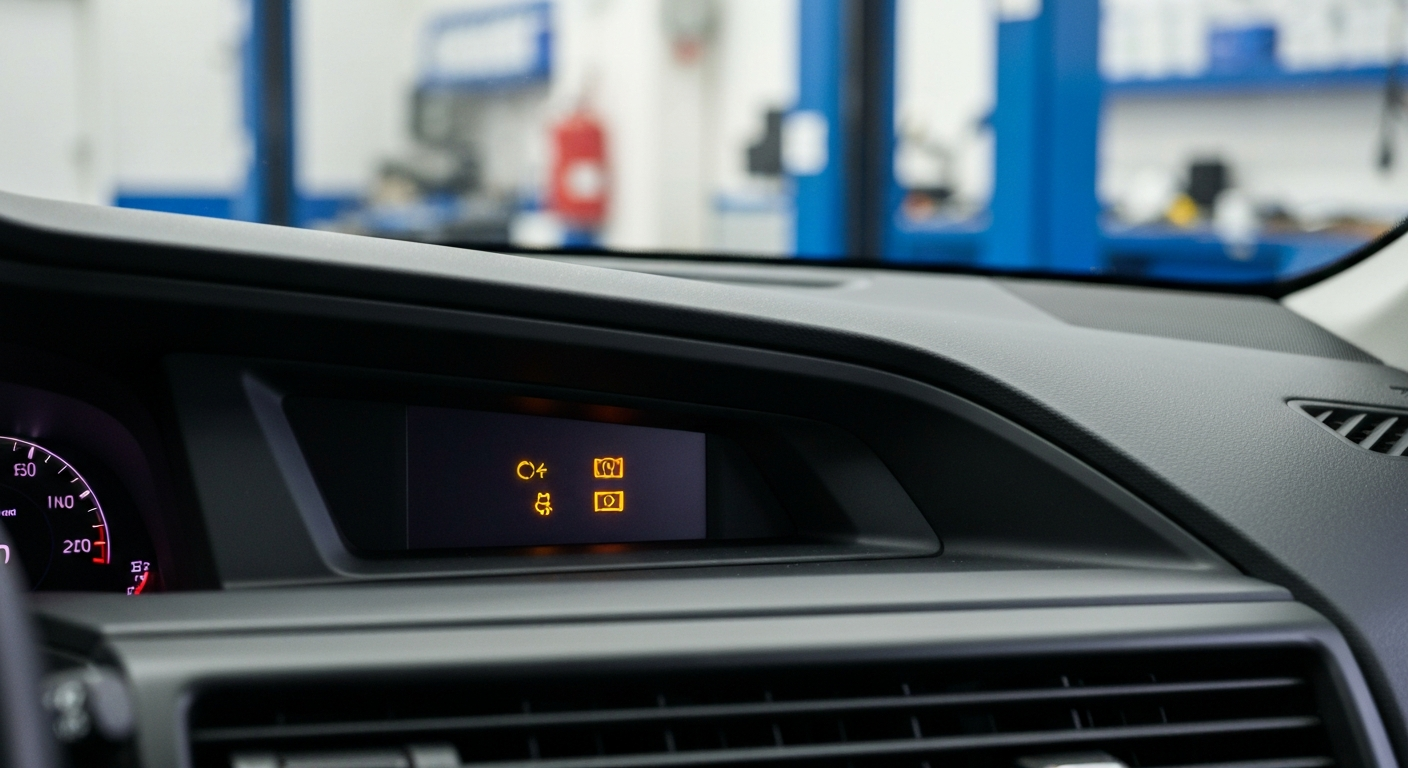
You’re driving through Los Angeles when suddenly the check engine light illuminates on your dashboard. Your heart rate spikes. Is your car about to break down? How much will this cost? What does this light actually mean? If you’re facing this situation, you’re not alone. Thousands of Los Angeles drivers experience the stress of an unexpected check engine light every month.
The good news? In many cases, it’s not an emergency—but it definitely warrants professional attention. At Hyperion Auto Repair, our ASE-certified technicians diagnose check engine light issues every day. We’ll help you understand what’s happening and prevent costly damage down the road. With our free multi-point inspection, you’ll know exactly what needs repair before spending a dime.
What Is the Check Engine Light?
Modern vehicles are equipped with an sophisticated onboard diagnostic system called OBDII (On-Board Diagnostic Version 2). This computerized system constantly monitors your engine, transmission, and emissions control systems to ensure they’re operating within manufacturer specifications.
Think of it like a health monitoring system for your car. Just as a doctor’s instruments measure blood pressure and heart rate, your vehicle’s computer measures hundreds of parameters—fuel mixture, oxygen levels, temperature, sensor readings, and more. When the computer detects that any of these parameters fall outside the acceptable range, the check engine light illuminates.
The light serves an important purpose: it tells you something needs attention before a small problem becomes an expensive failure. It’s your car’s way of asking for help.
Is It Safe to Drive with Check Engine Light On?
This is one of the most important questions we hear at Hyperion Auto Repair, and the answer depends on one critical detail: Is the light steady or flashing?
Steady Check Engine Light (Solid): Generally safe to drive to a repair shop, though you should schedule an appointment soon. A steady light indicates a problem that needs diagnosis but isn’t causing immediate system failure. You can typically drive 50-100 miles safely to get professional help.
Flashing Check Engine Light: STOP immediately. This is a critical warning that your engine is misfiring severely—potentially damaging your catalytic converter right now. Continued driving can cause $500-$2,500 in additional damage in minutes. Call a tow truck and have your vehicle transported to a repair facility.
Watch for additional warning signs while driving with a steady check engine light:
- Rough or shaky idle
- Significant loss of power during acceleration
- Unusual sounds from the engine
- Burning smells from under the hood
- Transmission shifting erratically
If you notice any of these symptoms, pull over safely and don’t continue driving.
Common Check Engine Light Causes
There are hundreds of possible causes for a check engine light, but certain issues appear far more frequently than others. Understanding the most common causes can help you prepare for the diagnostic conversation with your technician.
Loose or Missing Gas Cap
Surprisingly, this is the #1 reason for check engine lights. A loose gas cap allows fuel vapors to escape, triggering the EVAP system code. The fix? Tighten or replace the cap. Many people are shocked to discover this was their problem—no repair needed.
Faulty Oxygen Sensor
Your vehicle has oxygen sensors that monitor exhaust gases. A failing O2 sensor can’t accurately measure fuel mixture, causing rich or lean running conditions. This triggers the light and reduces fuel economy by 15-20%. Replacement costs typically $100-$400.
Mass Air Flow (MAF) Sensor Problems
The MAF sensor measures incoming air to calculate proper fuel delivery. A dirty or failing MAF sensor causes the engine to run too rich or too lean, reducing power and efficiency. Cost: $150-$400 for replacement.
Catalytic Converter Issues
Your catalytic converter reduces harmful emissions. When it fails or becomes clogged, the check engine light activates. This is serious—if caused by severe misfires, damage happens quickly. Replacement cost: $400-$2,500 depending on vehicle. That’s why addressing misfires immediately is critical.
Spark Plugs or Ignition Coils
Worn spark plugs or failing ignition coils cause cylinder misfire—which is hard on your catalytic converter and transmission. These often need replacement together. Cost: $100-$600 depending on vehicle.
Transmission System Issues
Problems with transmission solenoids, fluid levels, or internal components can trigger check engine lights related to transmission operation. Transmission repair in Los Angeles requires specialized expertise—not every shop can diagnose transmission codes properly.
EVAP System Leaks
Your vehicle’s Evaporative Emission Control system captures fuel vapors. Leaks in hoses or the charcoal canister trigger EVAP codes.
Understanding the Diagnostic Process
When you bring your vehicle to Hyperion Auto Repair with a check engine light, here’s what happens:
Step 1: Code Reading
Our technicians connect an OBD scanner to your vehicle’s diagnostic port. The scanner reads the stored diagnostic trouble codes (DTCs)—the specific error messages stored by your vehicle’s computer. These codes are like breadcrumbs pointing toward the problem area.
Step 2: Code Analysis
Here’s the important part: reading a code isn’t the same as diagnosing the problem. A P0171 “System Running Too Lean” code could be caused by a faulty oxygen sensor, a vacuum leak, a clogged fuel filter, a failing fuel pump, or a dirty MAF sensor. Each requires different diagnostics and repair.
Step 3: Physical Inspection and Testing
Our ASE-certified technicians perform hands-on diagnostics:
- Visual engine inspection for leaks, disconnected hoses, loose components
- Test of specific sensors and components related to the code
- Fuel pressure testing if fuel system related
- Compression testing if misfire codes present
- Load testing of electrical systems
Step 4: Diagnosis and Estimate
Once we identify the root cause, we provide you with a clear written estimate explaining:
- What the problem is in plain language
- Why it needs to be fixed
- Cost of repair with parts and labor
- Timeline for completion
- Warranty coverage
You approve the repair before we begin any work. No surprises.
Common Check Engine Light Codes Explained
If you’ve already had your vehicle scanned, you might have seen codes like these:
P0171 – System Running Too Lean
The oxygen sensor detected too much oxygen in the exhaust (not enough fuel). Causes include dirty MAF sensor, vacuum leak, or failing fuel pump. Symptoms: hesitation on acceleration, loss of power.
P0300 – Random Cylinder Misfire
One or more cylinders aren’t firing properly. This is serious because continuous misfiring damages your catalytic converter. Causes: bad spark plugs, faulty ignition coil, vacuum leak, fuel system issue. If this code shows with a flashing light, stop driving immediately.
P0133 – O2 Sensor Circuit Malfunction
The oxygen sensor isn’t functioning properly. The computer can’t correctly adjust fuel mixture. Results in poor fuel economy and rough running.
P0420 – Catalyst System Efficiency Below Threshold
Your catalytic converter isn’t working as efficiently as it should be. Could indicate a failing converter or failing O2 sensor. Expensive if the converter needs replacement.
P0455 – EVAP System Leak (Large)
The fuel vapor recovery system has a significant leak. Usually fixable with hose or cap replacement, but sometimes requires canister replacement.
These are just a few of hundreds of possible codes. Each code tells a story, but diagnosis requires skill and experience to interpret correctly.
Why You Can’t Ignore the Check Engine Light
We understand the temptation to ignore a check engine light, especially if your car seems to run okay. “It’s not an emergency,” you think. “I’ll get to it later.” Here’s why that’s risky:
Emissions and Smog Tests
In California, vehicles with an active check engine light automatically fail smog inspections. You cannot renew your registration until the light is resolved and the vehicle passes smog testing. If you’re facing a smog test deadline, get diagnosis immediately.
Fuel Economy Loss
A vehicle running with a generic check engine code (non-flashing) loses an average of 15-20% fuel economy. That means you’re paying significantly more per gallon. Over a year, this can add $300+ to your fuel costs.
Cascading System Damage
Vehicle systems work together. An oxygen sensor problem affects fuel mixture, which affects transmission shifting, which affects engine operation. Ignoring one code can trigger additional failures. What costs $200 to fix today might cost $1,500 next month.
Catalytic Converter Damage (Flashing Light Scenario)
If you’re driving with a flashing check engine light indicating misfire, your catalytic converter is being damaged in real-time. Replacement of a catalytic converter costs $800-$2,500. Stop driving immediately.
Potential Breakdown Risk
While a steady check engine light isn’t always an emergency, the underlying problem could cause a breakdown at any time. Getting diagnosis eliminates this uncertainty.
Professional Check Engine Light Diagnosis at Hyperion Auto Repair
At Hyperion Auto Repair, we’ve been diagnosing check engine lights for Los Angeles drivers since 1985. Our family-owned shop is built on a commitment to honesty, expertise, and customer care. Here’s what sets us apart:
ASE-Certified Technicians
Our technicians hold ASE (Automotive Service Excellence) certifications, meaning they’ve passed rigorous exams on vehicle systems, diagnostics, and repair. This certification requires years of hands-on experience and continuous education. You’re not working with a general mechanic—you’re working with a specialist.
Advanced Diagnostic Equipment
We use professional-grade diagnostic equipment that can read manufacturer-specific codes and perform real-time system monitoring. This goes far beyond basic code reading scanners.
Free Multi-Point Inspection
We include a comprehensive multi-point inspection with every diagnostic. While we’re diagnosing your check engine light, we’re also checking your brake system, suspension, fluids, battery, belts, and more. You get a complete picture of your vehicle’s health.
Clear Communication
We explain what we find in language you understand. No jargon. No pressure. Just honest assessment and professional recommendations.
Warranty on All Repairs
Every repair we perform comes with our warranty. If the problem recurs, we’ll fix it at no charge. This guarantee reflects our confidence in our work.
What to Expect During Your Visit
When you bring your vehicle to Hyperion Auto Repair for check engine light diagnosis, here’s the typical timeline:
No Appointment Needed
While we always recommend calling ahead to schedule, you’re welcome to drop in. If we’re busy, we’ll let you know the wait time.
Initial Assessment (15 minutes)
We’ll discuss your symptoms, when the light came on, any warning signs you’ve noticed. We’ll take your vehicle into the bay for visual inspection.
Code Reading and Initial Diagnosis (30-60 minutes)
We scan the vehicle, read codes, and perform preliminary testing. For many issues, this is sufficient for diagnosis. For others, we may need additional testing.
Full Diagnostic If Needed (1-2 hours)
Complex issues might require additional testing like fuel pressure checks, compression testing, or oscilloscope analysis. We’ll discuss time needed with you first.
Estimate and Discussion
We provide a written estimate with cost, timeline, and explanation. We answer your questions. You decide whether to proceed.
Repair Timeline
Once approved, most check engine light repairs take 1-4 hours depending on complexity. Simple repairs like gas cap tightening are immediate. Sensor or ignition coil replacement typically takes 1-2 hours.
Frequently Asked Questions About Check Engine Light
Can I reset the check engine light myself?
You can temporarily clear the code using an aftermarket scanner or by disconnecting the battery. However, the light will return within 50-100 miles of driving if the underlying problem isn’t fixed. Professional diagnosis solves the actual problem rather than masking the symptom.
Is diagnostic charge worth the cost?
Absolutely. A proper diagnosis prevents you from replacing parts you don’t need. Many shops will recommend a new catalytic converter without testing. A proper diagnosis might reveal it’s just an oxygen sensor ($200 vs. $1,500). The diagnostic cost typically pays for itself in prevented unnecessary repairs.
What if I can’t afford the repair right now?
Talk to us about your situation. For non-critical issues (steady light, no drivability problems), you can drive safely while saving for repair. For critical issues (flashing light), immediate action is necessary to prevent additional damage. We can discuss payment options.
Will my check engine light turn off after repair?
After repair, we’ll clear the code and confirm the light stays off. We’ll drive the vehicle to ensure the fix resolved the problem. The light should remain off if the repair addressed the root cause.
How often should I get my vehicle scanned?
If you notice the check engine light, get it scanned immediately. Beyond that, regular car diagnostic service every year or two during routine maintenance helps catch emerging issues before they become serious.
Don’t Let Check Engine Light Stress Damage Your Wallet
A check engine light is concerning, but it’s not a catastrophe. It’s your vehicle asking for professional help. The longer you wait, the greater the risk of cascading damage and escalating costs.
Hyperion Auto Repair is here to diagnose your check engine light quickly, honestly, and affordably. Our ASE-certified technicians have solved thousands of check engine light issues for Los Angeles drivers. We’ll explain what’s happening, show you your options, and get your vehicle back on the road safely.
Call Hyperion Auto Repair today at (323) 667-3180 or visit us at 1845 Hyperion Avenue, Los Angeles, CA 90027. Request your free multi-point inspection and check engine light diagnosis. Let our expert technicians give you peace of mind.
Don’t ignore the light. Get professional diagnosis. Hyperion Auto Repair—Professional Auto Care You Can Trust.