
Complete Guide to Car Tune-Ups: What Los Angeles Drivers Need to Know
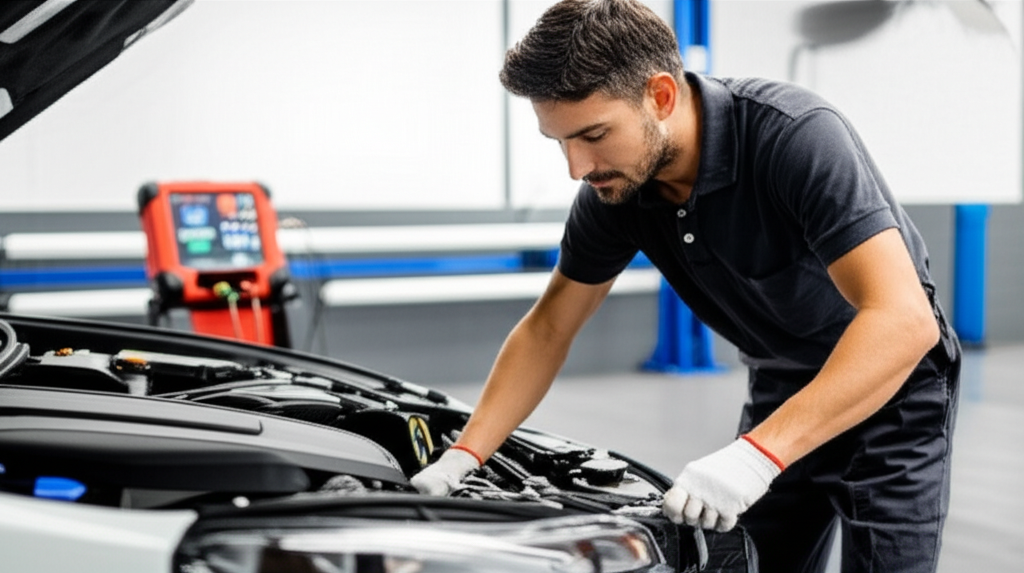
When it comes to keeping your vehicle running smoothly, few services are as fundamental as a regular tune-up. Yet many Los Angeles drivers are confused about what a tune-up actually entails and when their car needs one. The good news? Modern tune-ups have evolved significantly from the old days of simply swapping spark plugs and adjusting timing. Today’s professional tune-up is a comprehensive maintenance service designed to catch problems early, maintain performance, and ensure your vehicle remains safe and reliable on Southern California’s challenging roads and in our variable climate.
In this complete guide, we’ll break down everything you need to know about car tune-ups, including what’s involved, warning signs that service is needed, realistic costs, and why professional diagnostics matter. Whether you drive a newer model with advanced onboard diagnostics or an older vehicle that benefits from traditional maintenance, understanding tune-ups will help you make informed decisions about your vehicle’s care.
What is a Modern Car Tune-Up?
The term “tune-up” has evolved dramatically over the past 20 years. If you remember your parents taking their car to the mechanic for an annual tune-up that meant replacing spark plugs, adjusting the carburetor, and resetting the ignition timing, modern tune-ups work quite differently.
Beyond the Traditional Definition
The automotive industry fundamentally changed when manufacturers introduced electronic fuel injection, onboard diagnostics, and long-life spark plugs. These advances made the traditional annual tune-up—with its predictable parts replacement on a fixed schedule—largely obsolete. Today, most vehicles with electronic ignition systems and computerized engine management don’t need annual spark plug changes. Instead, spark plugs designed to last 30,000, 60,000, or even 100,000 miles have replaced the old 3,000-mile replacements of decades past.
Scheduled Maintenance vs Inspection-Based Service
Modern tune-ups typically fall into two categories. The first is a scheduled maintenance visit, based on time and mileage intervals listed in your vehicle’s owner’s manual or indicated by your car’s onboard maintenance reminder system. The second is an inspection and replacement service, where a technician looks at your vehicle’s condition and replaces wear items that affect performance, safety, or efficiency—items like filters, fluids, brakes, belts, hoses, tires, and battery condition.
This shift from calendar-based maintenance to condition-based service represents a major improvement. It means you’re not paying for unnecessary replacements, and you’re getting service tailored to your specific vehicle’s needs.
Common Signs Your Car Needs a Tune-Up
Rather than waiting for a scheduled service interval, many Los Angeles drivers can benefit from paying attention to warning signs that indicate their vehicle needs professional attention. These signals range from dashboard alerts to performance changes to sensory cues you can detect while driving.
Dashboard Warning Lights
Your vehicle’s dashboard contains several critical warning lights. The most important is the Check Engine Light (often shown as an illuminated engine symbol). This light appears when your vehicle’s onboard diagnostic system detects a problem with the engine, emissions system, or transmission. A steady light indicates a non-emergency problem that still requires diagnosis, while a flashing Check Engine Light signals a serious issue that demands immediate attention—it typically means your vehicle needs to stop driving to prevent engine damage.
Other warning lights, including the battery light, oil pressure light, and coolant temperature warning, also indicate your vehicle needs service soon.
Performance Changes
Changes in how your car responds while driving can be early indicators of maintenance needs. These include:
- Hard starts or slow cranking: Difficulty starting your engine, especially on cold mornings in winter, often points to battery or charging system issues
- Misfires and stalling: Sudden hesitation, jerking, or stalling at traffic lights suggests spark plug, fuel system, or ignition coil problems
- Reduced acceleration: A noticeable drop in power when accelerating warrants a diagnostic scan
Sensory Signs
Your senses can detect several maintenance needs:
- Knocking or pinging: Engine knock (a metallic pinging sound) during acceleration often indicates timing issues or poor fuel quality
- Rough idle: A shaky feeling when stopped at a red light suggests spark plug, fuel injector, or engine misfire issues
- Vibration: Excessive vibration while driving, particularly from the steering wheel or floor, can indicate wheel imbalance, alignment issues, or suspension problems
Efficiency Decline
One of the clearest signs that your vehicle needs service is a noticeable drop in fuel economy. If you’re filling up more frequently than usual, your engine may be running inefficiently due to dirty filters, worn spark plugs, or transmission issues. Similarly, if your car pulls to one side while driving straight, that typically points to alignment or suspension issues that a professional should address.
What’s Included in a Professional Tune-Up
A comprehensive tune-up at a professional shop like Hyperion Auto Repair involves multiple inspection and service points. Not every item happens on every visit—what you need depends on your vehicle’s mileage, age, and condition. Here’s what a typical tune-up includes:
Oil and Fluid Changes
Oil changes form the foundation of vehicle maintenance. While older vehicles required oil changes every 3,000 to 5,000 miles, modern synthetic oils can extend intervals to 7,500 to 15,000 miles or longer, depending on the manufacturer’s recommendation. Your owner’s manual is the authority here—follow those guidelines, or check your dashboard’s maintenance reminder system.
Beyond oil, a tune-up typically includes inspection and possible service of:
- Coolant: Flushes recommended every 30,000-50,000 miles, varying by vehicle
- Brake fluid: Usually changed every 2-3 years to remove moisture accumulation
- Transmission fluid: Service intervals vary widely by manufacturer
- Power steering fluid: Checked and serviced as needed
Spark Plugs and Ignition Components
Spark plugs remain critical ignition components, but their lifespan depends on the plug type and your engine. Copper spark plugs typically last 20,000-30,000 miles, while platinum and iridium plugs often reach 60,000-100,000 miles, though this varies by application and driving conditions. When spark plugs are replaced, a technician may also service oxygen sensors, spark plug wires, PCV valves, and fuel filters, which often benefit from replacement simultaneously.
Filter Replacements
Your vehicle has multiple filters that protect critical systems:
- Air filter: Removes contaminants from intake air; dirty filters reduce engine performance and fuel economy
- Cabin air filter: Improves heating and air conditioning performance by filtering dust and pollen
- Fuel filter: Protects fuel injectors from contaminants
These are common “inspect and replace” items that should be changed when visibly dirty or per manufacturer schedule.
Belts, Hoses, and Cooling System
Your serpentine belt drives critical components including the alternator, water pump, and air conditioning compressor. During a tune-up, technicians inspect for cracking, glazing, fraying, or softness—all signs of impending failure. Similarly, coolant hoses are checked for leaks, cracks, bulges, or softness.
Some vehicles use a timing belt, which is critical to engine function. Timing belt replacement intervals typically fall in the 60,000 to 100,000-mile range, though your owner’s manual is the definitive guide. Other engines use timing chains, which are inspected rather than replaced on a schedule.
Diagnostic Scanning
Modern vehicles use onboard diagnostic systems (OBD-II) to monitor engine function continuously. When warning lights appear or symptoms develop, a technician uses a diagnostic scan tool to read stored codes and live data, pinpointing problems rather than replacing components on a hunch. This technology-driven approach saves money and ensures accurate repairs.
Battery and Charging System Check
A weak battery can mimic many other problems, so professional testing is essential. Technicians test battery health and charging system output, particularly important before winter in Los Angeles (when cold mornings stress batteries) and before summer (when heat accelerates battery failure). Load testing reveals whether your battery can handle your vehicle’s electrical demands.
Brake System Inspection
Brakes are your vehicle’s most critical safety system. A professional tune-up includes inspection of brake pad wear, rotor condition, caliper function, brake lines for leaks, and brake fluid condition. If you need brake service, addressing it during your tune-up makes sense.
Tires and Wheel Service
Professional tire service during a tune-up includes:
- Tire pressure monitoring: Correct pressure improves fuel economy and extends tire life
- Tread depth assessment: Tires with less than 4/32 inch tread depth are less safe in wet conditions
- Tire rotation: Recommended every 5,000-7,500 miles to promote even wear
- Wheel balancing: Ensures smooth driving and prevents premature tire wear
- TPMS check: Tire Pressure Monitoring System sensors are verified and working
Alignment Assessment
If you notice uneven tire wear patterns, a steering wheel that’s off-center, or your car drifting on a flat road, a wheel alignment check is warranted. Misalignment accelerates tire wear and affects handling safety.
How Much Does a Car Tune-Up Cost?
Tune-up costs vary significantly depending on what’s actually needed. The price difference between a simple inspection and a comprehensive service can be substantial, so it’s important to understand what you’re paying for.
Basic Tune-Up Pricing
A basic “tune-up-style” service focused primarily on inspection and minor replacements might cost $150-$300, depending on whether you need new filters or other minor items. This typically includes inspection, filter replacements, and fluid level checks without fluid flushes.
Comprehensive Tune-Up Costs
A more complete service including spark plugs, filters, fluids, and labor-intensive work can range from $400-$800 or more, depending on your vehicle and what needs attention. For example, replacing spark plugs in a tight engine bay can take several hours of labor.
Individual Service Costs
According to industry data, an oil change ranges from $145-$173 for a basic service. Individual spark plug replacements, filter changes, and fluid flushes add to this. Understanding these individual costs helps you evaluate the total value of a comprehensive package.
Getting an Accurate Estimate
Always ask for an itemized estimate that lists:
- Specific parts and quantities
- Labor charges for each service
- Which items are “due by schedule” vs “recommended based on inspection findings”
This transparency lets you understand what’s necessary maintenance versus optional recommendations, and you can prioritize spending if budget is tight.
How Long Does a Tune-Up Take?
Service duration depends on the scope. A light inspection and filter replacement might take 30-45 minutes. A comprehensive tune-up with spark plug replacement, multiple fluid changes, and belt/hose inspection can take 1.5 to 3 hours or longer. Tight engine bays that require substantial disassembly to access spark plugs can extend labor time significantly.
When you schedule service, ask the shop for an estimated timeframe so you can plan accordingly.
Why Professional Tune-Ups Matter
Beyond the mechanical specifics, regular professional tune-ups provide several crucial benefits:
Catching Problems Early
Professional diagnostic scanning identifies issues before they become serious. A technician might find a fault code for a failing oxygen sensor during a routine scan—catching it before it cascades into transmission problems or major engine damage. Early detection saves money and prevents breakdown stress.
Maintaining Performance and Efficiency
A properly tuned vehicle performs better and uses fuel more efficiently. Clean filters, fresh spark plugs, and properly serviced fluids all contribute to optimal engine function. In Los Angeles’s stop-and-go traffic, fuel efficiency directly impacts your wallet.
Safety Considerations
Well-maintained vehicles are safer vehicles. Proper brake function, good tire condition, correctly functioning lights and wipers, and responsive steering all depend on regular maintenance. A tune-up isn’t just about performance—it’s about ensuring you can stop, steer, and see safely.
Preserving Vehicle Value
Whether you plan to keep your car for ten years or sell it in five, maintenance records strengthen resale value. Buyers trust vehicles with documented service history. Regular tune-ups demonstrate responsible ownership and help maintain your investment.
Tune-Up Frequency: How Often Does Your Car Need Service?
The answer depends on several factors including your vehicle’s age, manufacturer recommendations, and driving conditions.
Follow your factory maintenance schedule: Your owner’s manual contains the manufacturer’s specific recommendations for your vehicle. This is the most reliable guide.
Modern vs older vehicles: Newer vehicles typically have longer service intervals (every 10,000-15,000 miles for oil changes). Older vehicles may need service more frequently.
Driving conditions matter: Los Angeles’s hot weather and stop-and-go traffic constitute “severe driving conditions.” If you regularly drive in traffic, tow loads, or in extreme temperatures, your vehicle may need more frequent service than a vehicle driven primarily on highways in mild climates.
Age-based vs mileage-based intervals: Your vehicle needs service based on whichever comes first—the specified mileage interval or the time interval. For example, if your schedule calls for service every 10,000 miles or every 12 months, you need service at whichever milestone you reach first.
What to Expect During a Professional Tune-Up at Hyperion Auto Repair
At Hyperion Auto Repair, we’ve been serving Los Angeles drivers since 1985 with the professional service you deserve. Here’s what you can expect from our tune-up process:
Our Free Multi-Point Inspection Process
We begin with a comprehensive free multi-point vehicle inspection, examining all critical systems and components. This inspection reveals exactly what your vehicle needs, allowing us to provide a detailed, itemized estimate before any work begins. You’ll know exactly what we’re doing and why.
ASE-Certified Technicians
Our team consists of ASE-certified technicians with extensive training in modern diagnostic equipment and repair procedures. This expertise means accurate diagnostics, proper repair procedures, and quality workmanship you can trust.
Warranty and Guarantee
We stand behind every repair with a complete warranty. If something doesn’t perform as expected, we’ll make it right. This confidence reflects our commitment to quality service.
Should You Get a Tune-Up?
The short answer is yes—regular tune-ups are essential preventative maintenance. Rather than thinking of tune-ups as optional or outdated, consider them the cornerstone of keeping your vehicle reliable, safe, and efficient. They help you catch problems early, maintain performance, and protect your investment.
The best approach for most Los Angeles drivers is straightforward: Follow your vehicle’s factory maintenance schedule, pay attention to warning signs, and partner with a trustworthy repair shop for professional diagnostics when you need service.
If you’re in the Los Angeles area and ready for a professional tune-up, contact Hyperion Auto Repair today. We offer free inspections, competitive pricing, and ASE-certified service you can count on. Call us at (323) 667-3180 or visit us at 1845 Hyperion Avenue. Your vehicle will thank you.