
Complete Guide to Suspension Repair in Los Angeles: Warning Signs, Costs & Professional Service
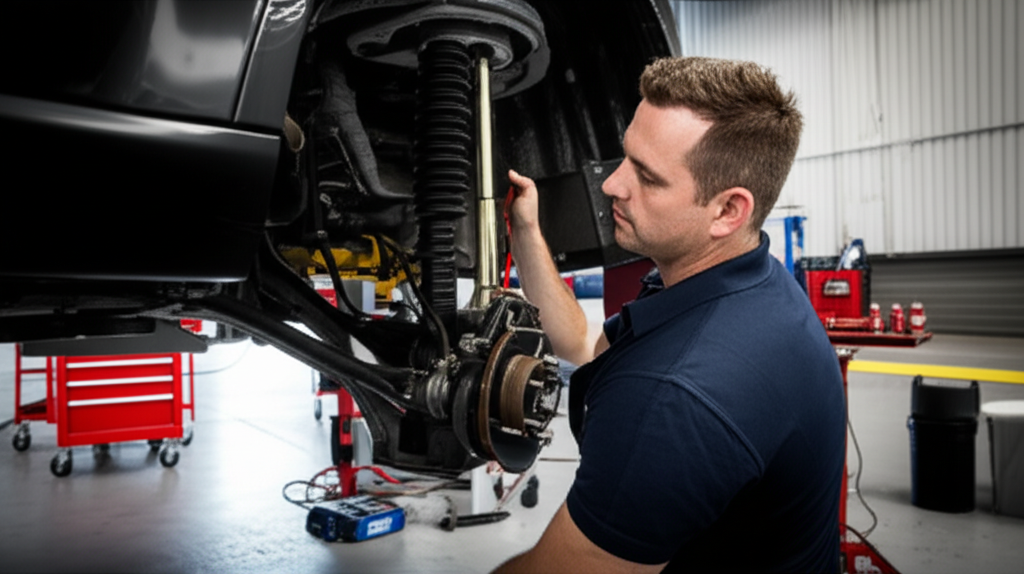
Your vehicle’s suspension system is one of the most critical components for safe driving, yet many drivers overlook its maintenance until problems become serious. In Los Angeles, where roads range from smooth freeways to pothole-laden streets, suspension wear happens faster than in many regions. Whether you’re experiencing a bumpy ride, unusual noises, or steering difficulties, understanding what suspension repair involves and when to seek professional help can save you money and keep you safe on the road.
In this comprehensive guide, Hyperion Auto Repair’s ASE-certified technicians explain what suspension repair is, common warning signs that indicate problems, how we diagnose issues, typical repair costs in Los Angeles, and why professional service matters for your vehicle’s safety and performance.
What is Suspension Repair?
Understanding Your Suspension System
Your vehicle’s suspension system is responsible for maintaining steering stability, ensuring smooth handling, and providing a comfortable ride over bumps and uneven surfaces. The suspension connects your vehicle’s wheels to its frame, absorbing impact from road imperfections while keeping your tires in contact with the road. Without a properly functioning suspension, your car would bounce uncontrollably after hitting every bump, making driving uncomfortable and unsafe.
The suspension system also plays a critical role in vehicle safety. It helps maintain traction during acceleration and braking, prevents the vehicle from tilting excessively during turns, and absorbs energy from collisions. When suspension components wear or fail, your vehicle’s handling, braking performance, and tire wear all suffer—and your safety is compromised.
Key Components of Your Suspension
Your suspension system consists of several interconnected components working together:
- Shocks and Struts: These dampen the spring’s motion, preventing your car from bouncing excessively. While similar, they’re not interchangeable—shocks are typically found on trucks and larger vehicles, while struts combine the shock and spring into one integrated unit.
- Springs: Coil springs support your vehicle’s weight and absorb energy from road bumps.
- Control Arms: These link the wheels to the frame, allowing up-and-down wheel movement while maintaining proper alignment.
- Ball Joints: These spherical fasteners connect the control arm to the steering knuckle, allowing the wheel to turn and move vertically.
- Tie Rods: Part of the steering system, tie rods connect the steering rack to the steering knuckles, transmitting steering input to the wheels.
- Sway Bars (Anti-Roll Bars): These reduce body roll during turns by connecting the left and right wheels, improving handling and stability.
Common Suspension Problems in Los Angeles
Shocks and Struts Wear
Shocks and struts typically last 50,000 to 100,000 miles depending on driving conditions and road quality. In Los Angeles, where many streets have potholes and uneven surfaces, wear can happen faster. As shocks and struts deteriorate, they lose their ability to dampen spring oscillations, resulting in a bouncy, uncomfortable ride and reduced handling control.
Ball Joint Issues
Ball joints are among the most stressed suspension components, especially in LA’s urban driving environment with frequent stops, starts, and turns. When ball joints wear, they develop excessive play in the joint, causing clunking noises and erratic steering. Worn ball joints are a serious safety concern and require immediate professional attention.
Tie Rod Failure
Tie rods connect your steering system to your wheels and are crucial for safe steering control. Worn tie rods result in loose, unresponsive steering and can cause your vehicle to wander on the highway. Inner tie rods and outer tie rods can fail independently, and both require professional diagnosis and replacement.
Control Arm Problems
Control arms maintain proper wheel alignment and suspension geometry. When control arms bend, crack, or wear out, wheels can become misaligned, causing uneven tire wear and handling problems. Accident damage is a common cause of control arm issues in Los Angeles.
Spring Damage
Springs support your vehicle’s weight and absorb road bumps. Damaged or sagging springs cause reduced ride height, increased wear on shocks and struts, and poor handling. A broken spring is an immediate safety concern that requires professional repair.
Warning Signs Your Vehicle Needs Suspension Repair
Physical Signs to Watch For
- Uneven Tire Wear: Suspension problems cause irregular tire wear patterns. Look for excessive wear on the inside or outside edges of your tires, which indicates alignment or suspension issues.
- Vehicle Sitting Lower Than Normal: Sagging or a noticeably lower ride height on one or more corners indicates worn springs or struts.
- Visible Leaks: Oil leaking from shocks or struts means they’re failing and need replacement.
- Dents or Damage to Suspension Components: After hitting a pothole or curb, inspect suspension parts for visible damage.
Handling and Ride Quality Changes
- Excessive Bouncing: Your vehicle bounces multiple times after hitting a bump instead of settling quickly. This indicates worn shocks or struts.
- Nose Dipping During Braking: Excessive forward weight transfer when braking suggests worn suspension components not properly controlling vehicle motion.
- Swaying or Body Roll During Turns: The vehicle leans excessively into turns, reducing stability and control. This indicates problems with struts, springs, or sway bars.
- Floating or Drifting Sensation: The car feels like it’s floating or drifting, especially on highway curves, suggests worn shocks or struts.
- Steering Wheel Vibration: Vibrations transmitted through the steering wheel at certain speeds indicate suspension or alignment issues.
- Difficulty Steering: Increased steering effort or heavy steering can indicate tie rod wear or other suspension problems affecting steering geometry.
Noise and Vibration Indicators
- Clunking Noises: Metallic clunking sounds when going over bumps or turning suggest loose ball joints, control arms, or worn suspension bushings.
- Squeaking or Creaking Sounds: These typically indicate worn bushings or worn ball joints.
- Rattling from Under the Vehicle: Could indicate loose suspension components that need tightening or replacement.
If you experience any of these warning signs, Hyperion Auto Repair recommends scheduling a professional inspection. We offer free multi-point inspections where our ASE-certified technicians can identify suspension issues before they become dangerous or expensive.
The Suspension Repair Process
Step 1: Comprehensive Inspection
We begin every suspension repair at Hyperion with a thorough visual and physical inspection. Our technicians lift your vehicle on a four-post lift and examine all suspension components, looking for wear, damage, leaks, and loose connections. We document findings with photos so you understand exactly what needs attention.
Step 2: Diagnostic Testing
For complex suspension issues, we perform specialized diagnostic testing. We may use alignment equipment to check suspension geometry, use laser measurement systems to verify frame and suspension alignment, and perform road tests to confirm customer-reported symptoms. This diagnostic approach ensures we identify the root cause, not just the symptoms.
Step 3: Detailed Estimate
Once diagnosis is complete, we provide a detailed written estimate breaking down each repair needed, parts costs, labor hours, and timeline. We explain our recommendations and discuss options if multiple repair approaches are possible. No work proceeds without your approval.
Step 4: Parts Repair or Replacement
Using OEM (Original Equipment Manufacturer) or high-quality aftermarket parts, our technicians perform repairs according to manufacturer specifications. Whether we’re replacing shocks, struts, ball joints, tie rods, or control arms, we use proper tools and techniques to ensure quality repairs.
Step 5: System Testing and Alignment
After component replacement or repair, we perform comprehensive system testing. This includes a road test to confirm smooth handling and proper ride quality. We also perform proper wheel alignment if suspension work has affected your vehicle’s geometry, ensuring optimal tire wear and handling.
Step 6: Final Quality Check
Before returning your vehicle, every repair undergoes rigorous quality inspection. Our technicians verify component installation, check for proper clearances, confirm all bolts are properly torqued, and perform a final road test to confirm customer satisfaction.
Shocks vs. Struts: What’s the Difference?
Many vehicle owners use these terms interchangeably, but shocks and struts are different components, and you cannot replace one with the other.
Shocks (Shock Absorbers): Shocks are standalone damping devices that work in conjunction with separate coil springs. They’re typically found on trucks, SUVs, and older vehicles. Shocks are designed to handle significant loads and provide damping independently.
Struts: Struts combine the shock absorber and spring into one integrated unit. They serve both a damping function and a structural role, supporting the vehicle’s weight. Struts are more commonly found on modern cars and lighter trucks. When you need strut replacement, you’re typically replacing this entire assembly.
Most vehicles use either shocks on all four wheels, struts on all four wheels, or a combination (struts in front, shocks in rear). Our technicians will identify which your vehicle has and ensure proper parts and techniques are used for replacement.
Why Professional Suspension Repair Matters
Safety Considerations
Suspension problems directly impact your vehicle’s safety. Worn shocks reduce your car’s ability to maintain traction during emergency braking, worn ball joints can cause sudden steering failure, and failed suspension components can cause loss of vehicle control. Professional diagnosis and repair are not optional—they’re critical for safe driving.
Preventing Collateral Damage
Suspension problems don’t stay isolated. Worn suspension causes uneven tire wear, accelerated brake wear, premature transmission wear from erratic shifting over bumps, and engine damage from excessive vibration. Professional suspension repair prevents these cascading failures, saving you money long-term.
Proper Alignment and Balance
DIY suspension repair or using inexperienced shops often leads to improper alignment, leading to continued tire wear and handling problems. Professional shops like Hyperion use precision alignment equipment to verify suspension geometry and adjust it to manufacturer specifications after repairs.
Warranty Protection
Professional repairs come with warranties—ours cover both parts and labor. If a repaired component fails prematurely, we fix it without additional charges. This protection gives you peace of mind that your suspension is properly repaired.
Suspension Repair Costs in Los Angeles
Factors Affecting Repair Costs
- Component Requiring Repair: Different suspension components vary significantly in cost. A shock replacement might cost $150-300 per wheel, while ball joint replacement could run $200-400 per side.
- Vehicle Make and Model: Luxury vehicles, specialty imports, and some modern vehicles have higher parts and labor costs than standard domestic sedans.
- Parts Selection: OEM parts typically cost more than quality aftermarket alternatives, but may offer better longevity and warranty coverage.
- Labor Complexity: Some suspension repairs require removing additional components or extensive disassembly, increasing labor time and cost.
- Whether Alignment is Needed: If suspension work affects vehicle geometry, alignment service ($75-150) may be necessary.
Typical Cost Ranges by Component
- Shock or Strut Replacement: $150-400 per unit, typically $600-1,600 for all four (parts and labor)
- Ball Joint Replacement: $150-300 per joint, typically $300-600 for a pair
- Tie Rod Replacement: $100-300 per tie rod depending on inner or outer
- Control Arm Replacement: $200-500 per arm depending on complexity
- Spring Replacement: $200-400 per spring
- Sway Bar Link Replacement: $50-150 per link
- Wheel Alignment: $75-150 for a full four-wheel alignment
These are estimates for Los Angeles area repair shops. Your actual costs depend on your specific vehicle and damage extent.
Insurance Coverage
Suspension repairs are typically not covered by insurance unless the damage resulted from a covered collision or accident. Regular wear and tear, pothole damage, and age-related deterioration are not covered by standard insurance policies. However, if your suspension was damaged in an accident covered by your collision insurance, repairs may be covered after your deductible applies.
Getting an Accurate Estimate
Never make suspension repair decisions without a detailed estimate from a qualified shop. At Hyperion Auto Repair, we provide free estimates with no obligation. We’ll identify exactly what needs repair, explain why, provide cost breakdowns, and discuss options if multiple repair approaches are available. Contact us at (323) 667-3180 for your free suspension inspection and estimate.
Why Choose Hyperion Auto Repair for Suspension Work
ASE-Certified Technicians
Our suspension specialists hold ASE (Automotive Service Excellence) certifications, demonstrating they’ve met rigorous industry standards through testing and continuing education. ASE certification is the gold standard in automotive repair, ensuring you’re getting expert-level service.
Free Multi-Point Inspections
We perform comprehensive multi-point inspections to identify suspension issues before they become serious. Our free inspections include written documentation so you understand exactly what your vehicle needs and why.
State-of-the-Art Diagnostic Equipment
We invest in modern diagnostic and alignment equipment to accurately diagnose suspension problems and verify repairs. Our precision tools ensure repairs meet manufacturer specifications and your vehicle handles optimally.
Warranty on All Repairs
We stand behind our work with a comprehensive warranty covering both parts and labor on all suspension repairs. If something fails prematurely, we fix it at no charge.
Direct Insurance Coordination
If your suspension damage is covered by insurance, we work directly with your insurance company, handle estimates and paperwork, and offer direct billing to minimize your out-of-pocket costs.
Family-Owned Since 1985
Hyperion Auto Repair has been serving the Los Angeles community for nearly 40 years. Our decades of experience mean you’re getting repair work backed by a business that prioritizes customer relationships and maintains its reputation through quality service.
Suspension Repair FAQs
How long do shocks and struts typically last?
Most shocks and struts last between 50,000 and 100,000 miles. Driving conditions significantly affect lifespan—frequent stop-and-go city driving in Los Angeles can wear them faster than highway driving. We recommend having them inspected annually, especially if you notice any symptoms.
Can I drive with bad suspension?
While you might be able to limp home from the shop in an emergency, driving with failed suspension is unsafe. Poor handling, reduced braking effectiveness, and increased stopping distance put you at risk. Don’t ignore suspension problems—get professional inspection and repair promptly.
Will bad suspension damage my tires?
Yes, absolutely. Suspension problems cause uneven tire wear, meaning some areas of your tire wear faster than others. This shortens tire lifespan and can cause bald spots leading to blowouts. Proper suspension maintenance protects your tires and your safety.
Is suspension repair expensive?
Suspension repair costs vary depending on what components need attention and your vehicle’s age and make. While repairs can be substantial ($800-2,000+ for major work), neglecting suspension problems leads to more expensive collateral damage—accelerated tire wear, brake wear, and misalignment. Prompt professional repair is more economical than delaying.
Can I replace just one shock or strut instead of all four?
We generally recommend replacing all four shocks or struts at once for consistent handling and ride quality. If only one or two have failed, you might be tempted to replace just those, but having two old and two new shocks creates uneven damping, affecting handling. Some shops allow partial replacement if budget is a concern, but we recommend discussing options with your technician.
Do I need wheel alignment after suspension repair?
If you’ve replaced springs, control arms, or made structural repairs to suspension geometry, alignment is necessary. Even if you’ve “only” replaced shocks, we recommend checking alignment to ensure your suspension geometry remains correct. Many suspension repairs benefit from alignment verification.
Get Professional Suspension Repair in Los Angeles
Your vehicle’s suspension is too important to ignore. If you’re experiencing any symptoms of suspension problems—bouncy ride, clunking noises, poor handling, or uneven tire wear—Hyperion Auto Repair is ready to help. Our ASE-certified technicians will diagnose your suspension issues, explain exactly what needs repair, and provide transparent pricing with no surprises.
Contact Hyperion Auto Repair today for your free suspension inspection and estimate. We’re conveniently located at 1845 Hyperion Avenue in Los Angeles, and we’re committed to keeping your vehicle safe, comfortable, and reliable.
Hyperion Auto Repair
1845 Hyperion Avenue
Los Angeles, CA 90027
Phone: (323) 667-3180
Professional Auto Care You Can Trust