
Transmission Fluid Change Near Me: Complete Guide to Service, Costs & When You Need It
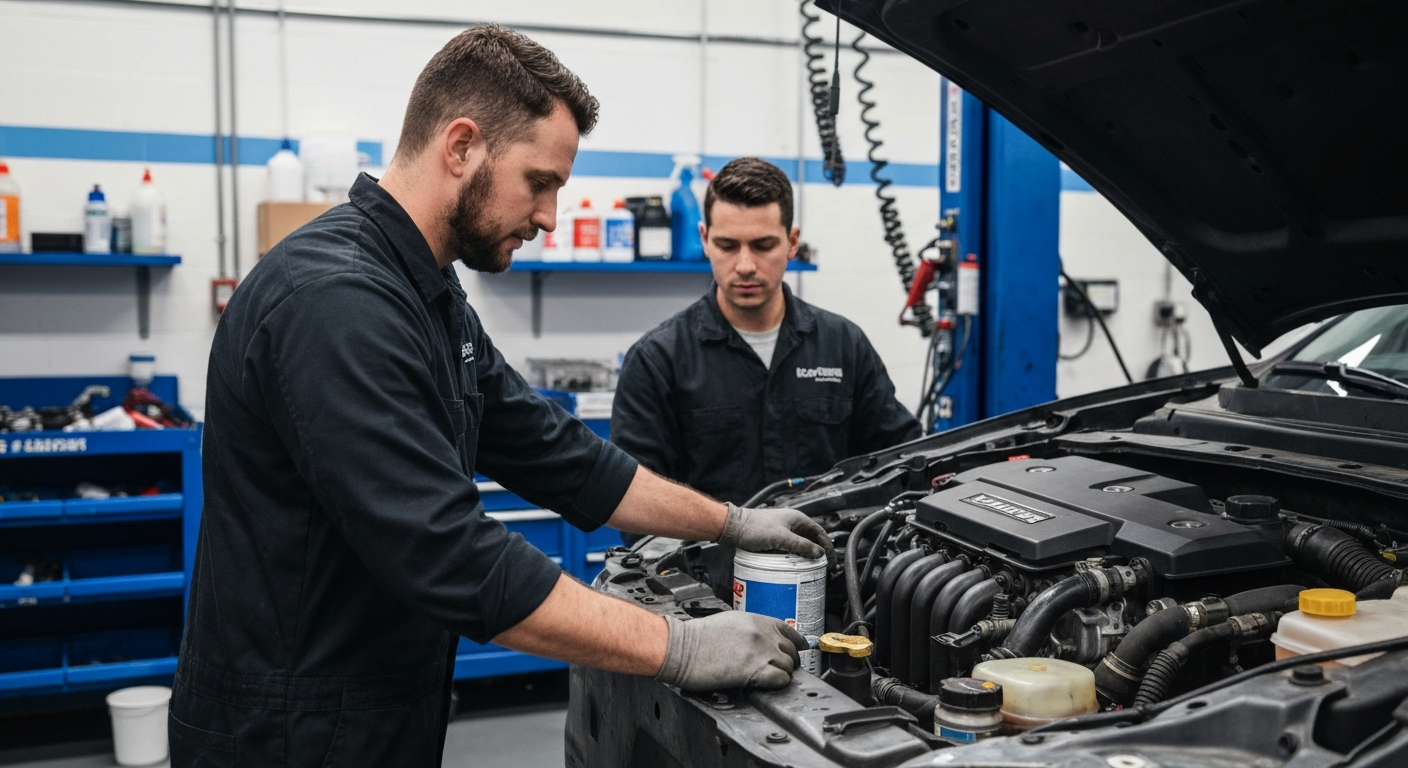
Your vehicle’s transmission is one of the most complex and expensive systems under the hood. Without properly functioning transmission fluid, your car simply won’t shift smoothly—or at all. Yet many drivers overlook this critical maintenance task until problems become severe and expensive.
This guide will help you understand everything about transmission fluid changes, warning signs you need service, and why professional maintenance at Hyperion Auto Repair’s transmission service can protect your vehicle’s most vital drivetrain component.
What Is Transmission Fluid & Why It Matters
Transmission fluid is a specially formulated hydraulic oil that serves multiple critical functions in your vehicle’s transmission system. Unlike engine oil, which lubricates the engine, transmission fluid is engineered to work under extreme pressure and temperature conditions.
How Transmission Fluid Works in Your Vehicle
Transmission fluid performs three essential jobs:
- Lubrication: It reduces friction between transmission gears and moving parts, preventing wear and extending component lifespan.
- Cooling: As fluid circulates through the transmission, it absorbs heat generated by gear friction and carries it away from sensitive components.
- Pressure & Power Transfer: In automatic transmissions, fluid pressure is essential for engaging and disengaging gears. Without adequate pressure, your transmission cannot shift.
- Cleaning: Transmission fluid carries away metal particles and debris, keeping internal components clean.
When transmission fluid breaks down over time—through heat exposure, oxidation, and contamination with metal particles—it loses these protective properties. The result is sluggish shifting, overheating, and eventually catastrophic transmission failure.
Warning Signs You Need a Transmission Fluid Change
Your vehicle will send clear signals when transmission fluid service is needed. Don’t ignore these warning signs:
Delayed Engagement or Slow Shifts
If there’s a noticeable delay between putting your transmission in Drive and feeling the vehicle move, or if gear shifts feel slow and sluggish, degraded transmission fluid is often the culprit. Fresh, properly functioning fluid allows for crisp, immediate shifts.
Burning Smell
A burnt smell—similar to burnt plastic or cooking oil—coming from under the hood indicates transmission fluid is overheating. This is a serious warning sign that requires immediate attention. Overheated fluid loses its protective properties quickly.
Transmission Slipping
Slipping occurs when your transmission momentarily loses power transfer between the engine and wheels. You might feel the engine revving higher without a corresponding increase in vehicle speed. This is a red flag requiring immediate professional diagnosis.
Strange Noises
Grinding, whining, or roaring sounds from the transmission area suggest internal wear from inadequate lubrication. These noises indicate that metal-to-metal contact is occurring—a sign that fluid is no longer providing proper protection.
Check Engine Light or Transmission Warning Light
Modern vehicles have sensors that detect transmission problems. If either light illuminates, have your transmission checked immediately. Low fluid level or improper fluid condition triggers these warning systems.
Fluid Leaks
Red or pink fluid under your vehicle indicates a transmission leak. Low fluid levels prevent proper lubrication and pressure, making fluid changes even more critical.
Transmission Fluid Change vs. Transmission Flush: What’s the Difference?
Many drivers are confused about these two services. They’re related but distinct:
Transmission Fluid Change
A transmission fluid change is the standard maintenance service. The technician:
- Removes the transmission pan
- Drains a portion (typically 30-50%) of the old fluid
- Replaces the transmission filter and pan gasket
- Refills with new fluid to the proper level
Duration: 20-30 minutes
Cost: $150-$300 (typical range)
Transmission Flush
A transmission flush is a more thorough service designed for vehicles with heavily degraded or contaminated fluid. The technician uses specialized equipment to:
- Force old fluid and contaminants completely out of the entire transmission system
- Clean varnish, sludge, and debris from all transmission passages
- Replace fluid with new, clean fluid meeting manufacturer specifications
Duration: 45-60 minutes
Cost: $250-$500 (typical range)
Which Service Do You Need?
If your transmission is showing warning signs like slipping or burning smell, a flush is recommended to remove damaging contaminants. For regular preventive maintenance on a vehicle with no issues, a standard fluid change is appropriate. Your ASE-certified Hyperion technician will inspect your fluid during the free multi-point inspection and recommend the right service for your vehicle’s condition.
How Often Should You Change Transmission Fluid?
The answer depends on several factors, but most manufacturers recommend one of these intervals:
Standard Manufacturer Recommendations
Older vehicles (pre-2010): Every 30,000-50,000 miles or every 2-3 years
Modern vehicles (2010+): Every 60,000-100,000 miles or every 4-6 years
Many newer vehicles use “lifetime” transmission fluid, but even these benefit from periodic checks and changes if fluid condition deteriorates.
Factors That Affect Service Intervals
- Driving conditions: Stop-and-go city driving generates more heat than highway driving, requiring more frequent changes
- Towing or heavy loads: Towing stresses the transmission and requires more frequent service
- Transmission type: Manual transmissions may have different intervals than automatics
- Climate: Hot climates like Los Angeles accelerate fluid degradation
- Vehicle age: Older vehicles typically need service more frequently
How to Find Your Vehicle’s Specific Recommendations
The most accurate transmission maintenance schedule is in your vehicle’s owner’s manual. Check the maintenance section for your specific model and year. If you don’t have the manual, ask your Hyperion technician—we have access to manufacturer specifications for virtually all vehicles.
Transmission Fluid Change Cost & Pricing in Los Angeles
Transmission service costs vary based on several factors:
Cost Breakdown
Standard Fluid Change: $150-$300
Transmission Flush: $250-$500
Fluid only (if bringing your own): Labor only, $100-$150
What Affects Pricing?
- Vehicle make/model: Some vehicles require specialized procedures
- Fluid type: Premium synthetic fluids cost more than conventional
- Service location: Dealerships typically charge 20-40% more than independent shops
- Condition of the vehicle: Heavily contaminated systems may require extended flushing
Cost Comparison: DIY vs. Professional
While transmission fluid is available at auto parts stores for $20-$50 per quart, DIY fluid changes carry significant risks:
- Using the wrong fluid specification can damage your transmission
- Improper pan gasket installation causes leaks
- Incorrect torque specifications can strip threads or crack the pan
- Overfilling or underfilling causes shifting problems
Professional service at Hyperion Auto Repair ensures proper fluid selection, correct procedures, and a warranty on the work performed. Given that transmission repairs cost $1,500-$4,000+, spending $200-$300 on preventive maintenance is an excellent investment.
The Transmission Fluid Change Process
Here’s what happens when you bring your vehicle to Hyperion Auto Repair for transmission fluid service:
Step 1: Vehicle Inspection & Fluid Condition Assessment
Your technician inspects the transmission pan and checks current fluid color, smell, and condition. Red or bright pink fluid indicates healthy new fluid; dark brown or black fluid indicates degradation and oxidation.
Step 2: Safely Lifting the Vehicle
The vehicle is lifted on hydraulic jacks and secured with jack stands to safely access the transmission pan from below.
Step 3: Draining Old Fluid
The transmission pan drain plug is removed and old fluid drains into a collection pan. This used fluid is properly disposed of according to environmental regulations.
Step 4: Pan Removal & Filter Replacement
The transmission pan bolts are removed and the pan is carefully lowered. The old filter and pan gasket are removed and replaced with new OEM-specification parts.
Step 5: Refilling with New Fluid
The transmission is refilled with the correct specification fluid in the proper quantity. Different vehicles require different fluid types—using the wrong type can cause transmission damage.
Step 6: Fluid Level & Quality Check
The technician carefully checks that fluid level is correct using the transmission dipstick. Proper fluid level is critical for correct transmission pressure.
Step 7: Test Drive & Verification
The vehicle is test driven to verify smooth shifting, proper engagement, and no warning lights. The technician checks transmission operation in all gears before returning the vehicle to you.
Why Professional Service Matters
Transmission service isn’t complicated, but it requires attention to critical details that many DIY mechanics miss:
Proper Fluid Specification
Transmissions are engineered for specific fluid types. Using the wrong fluid—even if it’s a premium product—can cause:
- Incorrect shift timing and harsh shifts
- Inadequate lubrication and accelerated wear
- Pressure regulation problems
- Complete transmission failure in extreme cases
ASE-certified technicians at Hyperion know the exact specifications for your vehicle and can confirm the correct fluid from your owner’s manual.
Proper Torque Specifications
The transmission pan is secured with bolts that must be tightened to exact specifications—measured in foot-pounds. Too loose and the pan leaks; too tight and the threads strip, requiring expensive repair.
Preventing Cross-Contamination
Any dirt, debris, or contamination entering the transmission during service can cause damage. Professional shops use clean procedures and controlled environments to prevent contamination.
Warranty Protection
All work performed at Hyperion Auto Repair is backed by our warranty on repairs. If a problem develops with transmission service, we stand behind our work at no additional cost.
Hyperion Auto Repair: Your Los Angeles Transmission Experts
Since 1985, Hyperion Auto Repair has provided expert transmission service to Los Angeles drivers. Here’s what sets us apart:
- ASE-Certified Technicians: Our certified professionals have passed rigorous industry exams and stay current with the latest transmission technology
- Family-Owned & Local: As a family-owned business for 40+ years, we’re invested in our Los Angeles community
- Free Multi-Point Inspection: Every vehicle receives a comprehensive inspection to catch problems early
- Warranty on All Repairs: We stand behind every service we perform
- Transparent Pricing: No surprises—you’ll know the exact cost before work begins
When you need transmission repair or maintenance service in Los Angeles, Hyperion delivers professional, trustworthy service you can rely on.
Common Questions About Transmission Fluid Changes
Can I Change Transmission Fluid Myself?
While basic oil changes are reasonable DIY tasks for experienced mechanics, transmission service carries too much risk. One mistake—wrong fluid, improper torque, or cross-contamination—can result in $2,000+ in repairs. Professional service is worth the investment.
What Type of Fluid Should I Use?
Never guess. Your vehicle’s specific transmission fluid type is listed in your owner’s manual. Common types include Dexron III/ATF, Mercon, Type-F, and CVT fluid. Using the wrong type causes shifting problems and transmission damage.
How Do I Know If My Transmission Fluid Is Dirty?
Fresh transmission fluid is bright red or pink. As it ages, it darkens to brown or black. A burnt smell indicates overheating. If your fluid is dark or smells burnt, service is overdue.
What Happens If I Never Change Transmission Fluid?
Neglecting transmission fluid changes leads to:
- Accelerated wear of internal components
- Sluggish shifting and delayed engagement
- Overheating and fluid breakdown
- Transmission slipping or complete failure
- Transmission rebuild costs of $1,500-$4,000+
A $250 fluid change prevents a $3,000 repair. The choice is clear.
Is Transmission Flush Worth It?
If your transmission shows signs of wear or your fluid is heavily degraded, a flush removes contaminants that a simple fluid change misses. For regular preventive maintenance, a standard fluid change is sufficient. During your free inspection at Hyperion, we’ll recommend which service is right for your vehicle’s condition.
Protect Your Transmission Today
Your transmission is too important to neglect. Transmission fluid degradation is preventable—and far less expensive than transmission replacement.
Hyperion Auto Repair provides expert transmission fluid service, backed by our ASE-certified technicians and our warranty on all repairs. Whether you need a standard fluid change or a complete transmission flush, we have the expertise to keep your vehicle shifting smoothly.
Schedule your free multi-point inspection today. Our technicians will check your transmission fluid condition and recommend the exact service your vehicle needs.
Hyperion Auto Repair
1845 Hyperion Avenue, Los Angeles, CA 90027
Phone: (323) 667-3180
Professional Auto Care You Can Trust