
Transmission Repair Near Me in Los Angeles: Complete Guide to Costs, Warning Signs & Solutions
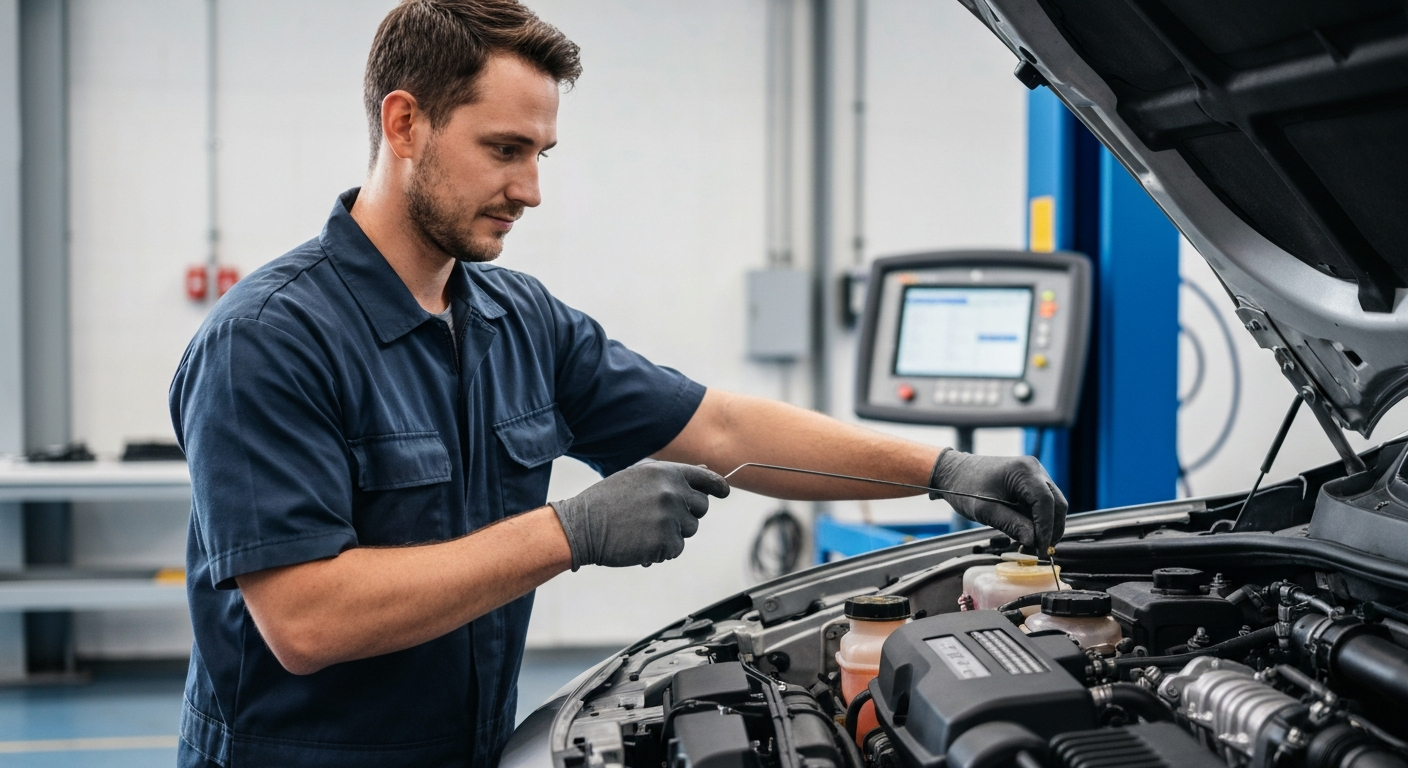
Your car’s transmission is one of its most complex and expensive systems. When something goes wrong, the stakes are high—both for your safety and your wallet. If you’re searching for “transmission repair near me” in Los Angeles, you’re likely experiencing one of those frustrating symptoms that tells you it’s time to act. Whether you hear grinding noises, feel slipping gears, or notice your vehicle hesitating during acceleration, professional transmission service isn’t optional—it’s essential.
Los Angeles drivers face unique challenges with their vehicles. Our city’s notorious traffic, extreme heat, and varied elevation changes place constant stress on transmission systems. The combination of frequent stop-and-go driving and summer temperatures can accelerate wear and tear, making regular maintenance and prompt repair critical to keeping your vehicle safe and reliable.
At Hyperion Auto Repair, we’ve been serving Los Angeles drivers since 1985 with ASE-certified transmission expertise. Our team understands the specific demands local driving conditions place on your vehicle, and we’re equipped to diagnose and repair any transmission issue—from minor fluid leaks to complete rebuilds. We offer free multi-point inspections and stand behind all our work with a comprehensive warranty.
Understanding Your Transmission
How Transmissions Work
Your transmission is the mechanical system that transfers power from your engine to your wheels. Think of it as the bridge between your engine’s rotational force and your wheels’ need for varying speeds. When you’re accelerating from a stop, shifting gears, or cruising at highway speeds, your transmission is working to find the optimal gear ratio that balances fuel efficiency with power delivery.
The transmission allows your engine to run at different RPMs while your wheels rotate at different speeds. Without it, your car couldn’t accelerate smoothly or maintain different speeds efficiently. This makes the transmission absolutely critical to your vehicle’s performance and safety.
Transmission Types
Modern vehicles use several types of transmissions, each with different characteristics:
Manual Transmissions: Requiring driver engagement through a clutch pedal, manual transmissions offer direct control but require more driver skill. They’re generally more durable but less common in newer vehicles.
Automatic Transmissions: The most common type in modern vehicles, automatic transmissions shift gears seamlessly without driver intervention. They use a fluid coupling system that allows smooth power transfer and automatic gear selection.
CVT (Continuously Variable Transmission): Found in many newer vehicles, especially from Honda and Toyota, CVTs provide infinite gear ratios rather than discrete gears. This offers excellent fuel efficiency but requires specialized knowledge for repair.
8 Warning Signs Your Transmission Needs Repair
Transmission problems rarely appear suddenly. Most often, your vehicle gives you warning signs weeks or months before a catastrophic failure. Learning to recognize these signals can mean the difference between a minor repair and a $3,000+ rebuild.
1. Delayed or Slow Shifting
Does your vehicle hesitate a moment after you shift into Drive or Reverse before the engine engages? That delay—sometimes just a second or two—indicates your transmission isn’t responding properly. This could signal low transmission fluid, a worn transmission pump, or internal hydraulic issues. Delayed shifting puts extra strain on your transmission and can lead to more serious problems if ignored.
2. Slipping Gears
Gear slipping feels like your transmission is temporarily losing engagement between gears. The engine RPMs spike, the vehicle doesn’t accelerate as expected, then suddenly it catches. This is one of the most common symptoms of transmission wear and indicates internal components are failing. The friction materials that allow gears to grip each other are wearing away, reducing the transmission’s ability to hold its current gear.
3. Strange Noises
Your transmission should operate almost silently. Any unusual sounds deserve attention. Grinding noises, often described as a “crunching” sound, typically indicate gear damage or worn synchronizers (the components that coordinate gear changes). Whining noises often suggest a failing pump or low fluid levels. Clunking sounds during shifts may indicate worn motor mounts or transmission mounts.
4. Burning Smell
A burnt, acrid smell—different from a general “hot engine” smell—is your transmission’s distress signal. Transmission fluid serves multiple purposes: it lubricates components, transfers hydraulic pressure, and dissipates heat. When fluid overheats or breaks down, it loses effectiveness and can burn. This smell indicates your transmission is overheating, whether from low fluid, heavy use in LA traffic, or internal friction from wear.
5. Transmission Fluid Leaks
Transmission fluid is red or dark red and has a distinctive sweet smell. If you notice red fluid under your car or a wet spot where you park, you likely have a leak. Transmission fluid leaks are serious because every quart of fluid lost reduces your transmission’s ability to function. Without adequate fluid, your transmission can fail catastrophically within days or even hours of driving.
6. Dashboard Warning Lights
Modern vehicles have transmission diagnostic systems that illuminate warning lights when problems are detected. The Check Engine light is the most common, but some vehicles have specific transmission warning indicators. Never ignore these lights. They indicate your vehicle’s computer has detected a fault in the transmission system. Many people drive for weeks with the Check Engine light on, but doing so can allow minor issues to become major ones.
7. Hesitation During Acceleration
When you press the accelerator and your vehicle doesn’t respond immediately with smooth acceleration, you have a hesitation problem. Your vehicle might feel sluggish, unresponsive, or like it’s “holding back.” This often indicates the transmission isn’t downshifting properly to provide the power you’re requesting, or internal wear is reducing overall power transfer efficiency.
8. Rough or Hard Shifts
Do gear changes feel jerky, harsh, or rough? When shifting should be smooth, hard shifts indicate your transmission’s pressure control system isn’t working correctly. This can result from low fluid, worn internal components, or electrical problems with transmission solenoids (the electronic switches that control fluid flow).
Transmission Repair vs. Rebuild: What’s the Difference?
Understanding the distinction between repair and rebuild helps you prepare for costs and timelines.
Repairs: Minor Issues
Many transmission problems can be fixed without a complete rebuild. Fluid leaks can be sealed. Damaged seals can be replaced. The transmission can be flushed and refilled with fresh fluid. Solenoids can be replaced. Some internal components can be repaired without removing the entire transmission. These targeted repairs typically cost $300–$1,500 and can often be completed in one to three days.
Rebuilds: Major Issues
A transmission rebuild involves completely removing the transmission from your vehicle and disassembling it down to individual components. Worn or damaged parts are replaced, the transmission is thoroughly cleaned, and everything is reassembled with new seals and fluid. Rebuilds are necessary when internal damage is extensive, gears are stripped, or the transmission’s internal structure is compromised. Rebuilds typically cost $1,500–$4,000+ depending on your vehicle and transmission type, and they require 3–7 days of work time.
Transmission Repair Costs in Los Angeles
Typical Repair Costs
Transmission repair costs vary significantly based on what needs fixing. Here’s what you can typically expect in the Los Angeles market:
- Fluid flush and fill: $150–$300
- Seal replacement: $200–$500
- Solenoid replacement: $300–$700
- Partial transmission repair: $500–$1,500
- Complete transmission rebuild: $1,500–$4,000+
- Transmission replacement (used/rebuilt unit): $1,500–$3,500
- Transmission replacement (new unit): $2,500–$5,000+
These are estimates. Your actual cost depends on several factors unique to your vehicle and situation.
Factors Affecting Price
Vehicle Make and Model: A transmission repair on a Honda Civic costs far less than the same repair on a BMW or Mercedes-Benz. Luxury vehicles have more expensive transmissions and more complex components.
Transmission Type: Manual transmissions are typically less expensive to repair than automatics. CVTs often require more specialized knowledge and can be pricier. High-performance transmissions in sports cars command premium prices.
Repair Complexity: A simple fluid leak might be a $200 fix. Complete internal damage requiring a rebuild is a $2,000+ investment. The more components involved, the higher the cost.
Parts Availability: If your transmission requires specialty parts that must be ordered from the manufacturer, costs increase and timelines extend. Older vehicles may require hard-to-find components.
Los Angeles Driving Conditions & Your Transmission
Why do transmission problems seem to hit Los Angeles drivers especially hard? Our city’s unique driving environment accelerates wear and tear.
Heat: Los Angeles summers are brutal on transmissions. Temperatures regularly exceed 90°F, and your transmission, sitting in the engine bay absorbing radiant heat from the engine, can exceed 200°F even on normal drives. Transmission fluid begins to break down above 175°F. Our heat causes fluid degradation, accelerating internal wear.
Stop-and-Go Traffic: Los Angeles is infamous for traffic. Hours spent in bumper-to-bumper gridlock, constantly shifting between Drive and Brake, placing your transmission under continuous load with minimal cooling breaks. This stress accelerates wear on friction materials and transmission fluid.
Elevation Changes: From the coast to the Hollywood Hills to the San Gabriel Mountains, Los Angeles has significant elevation variations. Constant downshifting on hills and upshifting on climbs stresses transmission components and transmissions fluid cooling systems.
Combined Effect: The combination of heat, constant shifting, and elevation changes means Los Angeles transmissions work harder than in many other regions. Regular maintenance isn’t optional—it’s essential to preventing costly failures.
Preventative Transmission Maintenance
Regular Fluid Checks
The most important preventative step is checking your transmission fluid regularly. Check your fluid at least monthly, especially if your vehicle is older or has high mileage. Healthy transmission fluid should be bright red or dark red, never brown or black. If your fluid smells burnt, if it contains debris, or if the level is low, bring your vehicle in immediately for inspection.
Transmission Fluid Service
Many manufacturers recommend transmission fluid changes every 30,000–60,000 miles, though some newer vehicles claim lifetime fluid. However, Los Angeles’s harsh driving conditions warrant more frequent service. We recommend transmission fluid service every 40,000–50,000 miles for Los Angeles drivers. Fresh fluid maintains proper viscosity, preserves friction characteristics, and ensures proper heat dissipation.
Consider pairing transmission service with other routine regular oil changes and fluid maintenance to ensure your entire vehicle stays healthy.
Driving Habits Matter
How you drive directly impacts transmission longevity. Aggressive acceleration, hard braking followed by hard acceleration, towing beyond your vehicle’s capacity, and continuous high-speed driving all stress your transmission. Smooth, gentle acceleration and anticipatory driving (reducing speed gradually rather than hard braking) extend transmission life significantly. In Los Angeles traffic, the smoothest driver who maintains steady speeds will have the longest-lasting transmission.
Comprehensive Diagnostic Services
Before assuming your transmission needs expensive repair or rebuild, professional diagnostics are essential. Modern vehicles have complex electronic transmission control systems that communicate through computer codes. What feels like a transmission problem might actually be an engine misfire, sensor issue, or electrical problem. Professional diagnostics with comprehensive diagnostic services can pinpoint the actual cause before you spend thousands on unnecessary work.
Why Choose Hyperion Auto Repair for Transmission Service?
Transmission repair is not a place to cut corners or choose based on lowest price. Your transmission is too important, and the potential for poor-quality work is too high.
ASE-Certified Technicians: Our technicians are certified by the National Institute for Automotive Service Excellence. This means they’ve passed rigorous exams demonstrating advanced knowledge of transmission systems, diagnostics, and repair procedures. ASE certification ensures you’re getting expertise, not guesswork.
Family-Owned Since 1985: For over 40 years, Hyperion Auto Repair has been the transmission specialist Los Angeles drivers trust. We’ve built our reputation on quality work, honest pricing, and customer service. We’re not a franchised quick-lube; we’re a neighborhood shop that stands behind every job.
Free Multi-Point Vehicle Inspections: We don’t diagnose and charge. We provide free comprehensive inspections so you understand exactly what your vehicle needs before deciding on service. No hidden charges, no pressure—just honest assessment.
Warranty on All Repairs: We stand behind our work with a comprehensive warranty covering parts and labor. If something goes wrong, we fix it at no cost. That’s our commitment to quality.
Local Expertise: We understand Los Angeles driving conditions. We know the specific challenges heat, traffic, and terrain place on transmissions, and we service accordingly.
Frequently Asked Questions About Transmission Repair
How long does transmission repair typically take?
Simple repairs like fluid flushes or seal replacements can be completed in a few hours to one day. More complex repairs might require two to three days. Complete transmission rebuilds typically require three to seven days depending on parts availability and any unexpected complications discovered during disassembly. We always provide realistic timelines upfront.
Can I drive with transmission problems?
This depends on the severity. Minor issues like low fluid shouldn’t cause immediate failure but require prompt attention to prevent escalation. Slipping, hard shifting, or burning smells indicate serious problems—driving further risks complete transmission failure, which could leave you stranded. If you notice transmission warning signs, limit driving to essential trips only and call us immediately.
What’s the difference between transmission fluid types?
Different vehicles require different transmission fluid specifications. ATF (Automatic Transmission Fluid) is the most common type for automatic transmissions, but specifications vary (Dexron, Mercon, etc.). Using the wrong fluid can damage your transmission. We always use the manufacturer-specified fluid for your exact vehicle—never generic alternatives.
Is transmission repair covered by warranty?
Transmission repair is rarely covered by factory warranties after the first few years. Extended warranties sometimes cover transmission, but that varies by policy. Check your specific warranty documentation. At Hyperion Auto Repair, we warrant all our transmission work, giving you protection beyond your vehicle’s factory coverage.
Should I choose repair, rebuild, or replacement?
This depends on your vehicle’s age, mileage, and condition. Our diagnostic team will recommend the most cost-effective solution. Sometimes a targeted repair extends your transmission’s life several more years. Sometimes a rebuild makes more sense than multiple separate repairs. Sometimes, on very old or high-mileage vehicles, a used transmission replacement offers the best value. We present all options with honest pros and cons.
Get Your Free Transmission Inspection Today
Don’t ignore transmission warning signs. Los Angeles drivers who catch problems early save thousands on repair costs. Schedule your free multi-point inspection at Hyperion Auto Repair today. Our ASE-certified technicians will diagnose your transmission condition, explain exactly what you need, and recommend the most cost-effective solution. We’re family-owned, warranty-backed, and dedicated to keeping you safe on Los Angeles roads.
Hyperion Auto Repair
1845 Hyperion Avenue, Los Angeles, CA 90027
Phone: (323) 667-3180
Free Multi-Point Inspections • Warranty on All Repairs • ASE-Certified Technicians
Professional Auto Care You Can Trust