
Meta Description: Learn what a multi-point vehicle inspection includes and why it matters. Expert guide from ASE-certified technicians at Hyperion Auto Repair in Los Angeles.
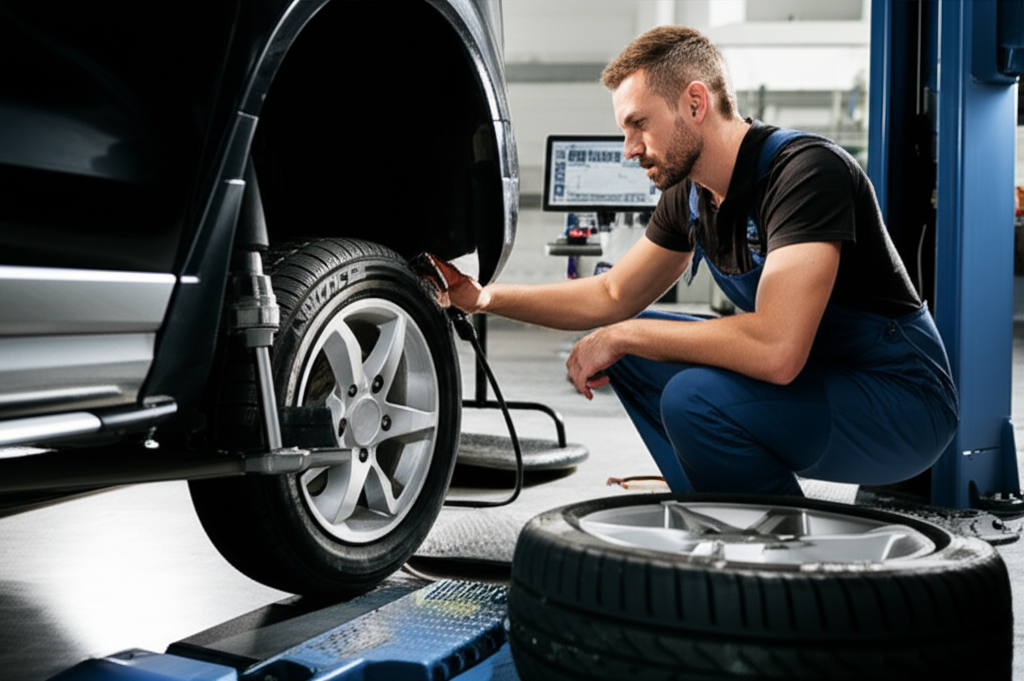
Your vehicle is one of your most important investments. Whether you drive a new sedan, a family SUV, or a truck for work, keeping it in peak condition is essential for safety, reliability, and peace of mind. One of the most effective ways to stay ahead of potential problems is through a comprehensive multi-point vehicle inspection—and at Hyperion Auto Repair, we offer this service completely free.
In this complete guide, we’ll explain what a multi-point inspection is, why it matters, what our ASE-certified technicians look for, and how this proactive approach can save you thousands of dollars and keep your family safe on Los Angeles roads.
What Is a Multi-Point Vehicle Inspection?
A multi-point inspection is a systematic, comprehensive evaluation of your vehicle’s critical systems and components. Unlike a simple oil change or basic maintenance service, a multi-point inspection examines multiple areas of your car in a single visit, looking for signs of wear, damage, or potential failures before they become major problems.
The term “multi-point” refers to the number of inspection points or areas covered. Most professional inspections include 25-50 different check points, though some comprehensive inspections may include even more. Each point targets a specific system or component that impacts your vehicle’s safety, performance, or longevity.
Think of a multi-point inspection as a health checkup for your car. Just as your doctor performs a complete physical to catch health issues early, our ASE-certified technicians at Hyperion Auto Repair perform detailed inspections to identify any issues before they impact your safety or cost you thousands in emergency repairs.
At Hyperion Auto Repair, we’re proud to offer free multi-point inspections to all our customers—family-owned since 1985, we believe preventative maintenance is the foundation of vehicle care and customer trust.
Why Vehicle Inspections Matter for Safety
Safety is the #1 reason multi-point inspections are so important. Vehicle failures don’t just cost money—they can cause accidents that injure you, your family, and others on the road.
Brake System Failures: Brake problems are a significant safety concern, with brake-related issues contributing to accidents and unsafe driving conditions. Many brake failures could be prevented with regular inspections that catch worn brake pads, damaged rotors, or fluid leaks before they become dangerous.
Tire-Related Problems: Tire condition—including tread depth and inflation—directly affects your vehicle’s ability to stop safely and maintain control on the road. Tire-related issues are a common contributor to accidents and unsafe driving conditions. A multi-point inspection checks tire tread depth, proper inflation, and alignment—all critical for accident prevention and safe driving.
Suspension and Steering Issues: A failing suspension system or power steering failure can result in loss of vehicle control. Regular inspections identify problems with struts, shocks, steering components, and tie-rods before they compromise your ability to control the vehicle.
Engine and Electrical Problems: Engine overheating, electrical failures, and transmission issues can leave you stranded or create dangerous situations. Early detection through inspection prevents these failures.
Beyond safety, regular inspections also:
- Extend your vehicle’s lifespan: Preventative maintenance catches small issues before they cascade into major damage. For example, a small coolant leak caught early costs $50-$100 to fix; left unchecked, it can damage your entire engine (costing $3,000+).
- Save money on repairs: Vehicle owners who perform preventative maintenance typically spend less on repairs than those who only fix problems after they occur.
- Preserve resale value: A vehicle with a documented maintenance history and no major repairs needed is worth significantly more when you decide to sell or trade it in.
- Provide peace of mind: Knowing your vehicle has been thoroughly inspected by certified technicians gives you confidence in your safety and reliability.
What Gets Inspected During a Multi-Point Inspection
Here’s a detailed breakdown of what our ASE-certified technicians at Hyperion Auto Repair examine during a comprehensive multi-point inspection:
Brake System
Your brakes are literally a matter of life and death. During a comprehensive inspection, we check:
- Brake pad thickness (pads may be at least 1/4 inch thick for optimal performance; many technicians recommend replacement when they reach 2/32 inch)
- Rotor condition and thickness
- Brake fluid level and condition
- Brake hoses and lines for leaks or cracks
- Parking brake functionality
- ABS system operation
Our technicians will recommend brake repair services if any issues are found, ensuring your braking system performs reliably.
Tire Condition and Alignment
Tires are your only contact point with the road. We inspect:
- Tire tread depth (the penny test and wear indicators help determine if replacement is needed)
- Tire pressure and condition
- Wear patterns (uneven wear indicates alignment issues)
- Visual inspection for bulges, cracks, or damage
- Wheel alignment angles
If alignment is needed, our team can provide wheel alignment service to ensure even tire wear and safe handling.
Fluid Levels and Condition
Your vehicle relies on multiple fluids to operate safely. We check:
- Engine oil level and condition
- Coolant level and condition
- Transmission fluid level and color
- Brake fluid condition
- Windshield washer fluid
- Power steering fluid
- Differential fluid (in 4WD vehicles)
Low or degraded fluids indicate potential leaks or system wear. We’ll recommend service intervals or repairs as needed.
Battery and Electrical System
A dead battery can leave you stranded. We test:
- Battery voltage and reserve capacity
- Battery terminal condition and corrosion
- Alternator output and function
- Starter operation
- Dashboard warning lights
- Headlights, taillights, and interior lights
If your battery is aging or failing, our experts can help with battery replacement and testing.
Engine and Transmission
Your engine and transmission are the heart and nervous system of your vehicle. We examine:
- Engine air filter condition
- Cabin air filter condition
- Fuel filter condition
- Engine belts and hoses for cracks or wear
- Signs of oil leaks
- Transmission operation and fluid condition
- Check engine light status
- Exhaust system for leaks or damage
Any engine or transmission concerns will be flagged for comprehensive vehicle diagnostics and engine repair if needed.
Suspension and Steering
A healthy suspension keeps you safe and comfortable. We check:
- Shock absorbers and struts for wear or leaks
- Suspension bushings and connectors
- Steering wheel play and response
- Power steering operation
- Tie rods and linkage components
- Front and rear suspension geometry
If suspension work is needed, we can provide suspension repair and maintenance.
Lights and Wipers
Visibility is critical for safety. We check:
- All exterior lights (headlights, taillights, turn signals, brake lights, reverse lights)
- Wiper blade condition and operation
- Windshield and rear glass condition
- Interior dome and map lights
Air Filter and HVAC System
Comfort and engine efficiency depend on proper filtering and climate control. We inspect:
- Engine air filter dirt and blockage
- Cabin air filter condition
- Air conditioning operation and refrigerant level
- Heater and defroster function
- HVAC blower operation
A clean air filter improves fuel efficiency and engine performance, while a well-maintained HVAC system ensures comfortable and safe driving in all weather conditions.
How Often Should You Get Your Vehicle Inspected?
The frequency of multi-point inspections depends on several factors:
Manufacturer Recommendations: Most vehicle manufacturers recommend a comprehensive inspection at least once per year or every 12,000 miles, whichever comes first. This aligns with standard maintenance schedules outlined in your owner’s manual.
Vehicle Age and Mileage: Newer vehicles (under 50,000 miles) can often go longer between inspections. Vehicles with 100,000+ miles should be inspected every 6 months or 6,000 miles, as components are more likely to wear out.
Seasonal Needs: Los Angeles drivers should consider seasonal inspections—a spring inspection before summer heat and a fall inspection before winter weather can prevent many seasonal problems.
Before Major Events: Plan an inspection before long road trips, before purchasing a used vehicle, or if you notice any changes in vehicle performance.
After Accidents: Even minor accidents can cause hidden damage. A comprehensive inspection after any collision is essential for safety.
Warning Signs Your Vehicle Needs an Inspection
Don’t wait for a scheduled inspection if you notice any of these warning signs:
Dashboard Warning Lights: Any illuminated warning light—check engine, oil pressure, battery, ABS, traction control—indicates a problem that needs professional diagnosis.
Unusual Noises: Grinding, squealing, knocking, or clunking sounds indicate mechanical problems. Don’t ignore them.
Vibrations or Pulling: If your vehicle pulls to one side, vibrates at certain speeds, or feels unstable, suspension or alignment issues may be present.
Brake Problems: Soft brakes, spongy pedal feel, brake noise, or longer stopping distances mean immediate inspection is needed.
Fluid Leaks: Puddles or spots under your vehicle indicate leaks that need diagnosis.
Odors: Burning smells, sweet coolant smells, or other unusual odors signal potential problems that require immediate attention.
Performance Changes: Reduced fuel economy, slower acceleration, or transmission hesitation warrant inspection.
The Multi-Point Inspection Process at Hyperion Auto Repair
Here’s what you can expect when you bring your vehicle to us for a free multi-point inspection:
1. Drop-Off or Appointment: You can schedule an appointment at your convenience, or simply drop by. We’ll get you in as quickly as possible.
2. Check-In: Our friendly service advisors will ask about any concerns you have with the vehicle. This helps our technicians know what to pay special attention to.
3. Comprehensive Inspection: Our ASE-certified technicians will systematically inspect all major systems using proper tools and diagnostic equipment. This typically takes 30-60 minutes depending on vehicle condition.
4. Detailed Written Report: You’ll receive a comprehensive written report detailing:
- Items that passed inspection
- Items that need attention soon
- Items that need immediate attention
- Recommended service intervals
- Estimated costs for any recommended repairs
5. Professional Consultation: Our service advisor will review the report with you, explain findings in plain language, and answer all your questions.
6. Your Choice: There’s absolutely no obligation to perform any repairs. We provide the information; you make the decision. Many customers use our inspection as a baseline for their vehicle’s condition and comparison with other shops.
7. Warranty and Peace of Mind: If you choose to move forward with repairs, everything comes with a warranty. Hyperion Auto Repair stands behind our work with a commitment to quality that comes from being family-owned since 1985.
Benefits of Regular Inspections for Los Angeles Drivers
Avoid Unexpected Breakdowns: Nothing is worse than being stranded on the side of the road—especially in Los Angeles traffic. Regular inspections prevent most unexpected breakdowns by catching problems before they become critical.
Save Money on Repairs: A $50 brake pad replacement prevents a $400 rotor replacement. Small, preventative repairs prevent expensive, major repairs. Vehicle owners who perform preventative maintenance typically save money on repairs compared to those who only address problems after they occur.
Maintain Vehicle Value: A well-maintained vehicle with documented service history is worth significantly more when you sell or trade it in. Buyers and dealers prefer vehicles with proven maintenance records.
Safety for Your Family: You can drive with confidence knowing your vehicle has been thoroughly checked by certified professionals who understand what matters for safety.
Extended Vehicle Lifespan: Proper maintenance can add years to your vehicle’s life. Many vehicles with regular inspections and maintenance run reliably well past 200,000 miles.
Insurance Benefits: Some insurance companies offer discounts for well-maintained vehicles. A detailed inspection record can also be valuable if you need to file a claim and demonstrate proper maintenance.
Multi-Point Inspections vs. Simple Service Checks
You might be wondering: “Isn’t a regular service check enough?”
Not quite. Here’s the difference:
Simple Service Check: This is what happens during an oil change or tire rotation. The technician might notice obvious problems, but it’s not a systematic, comprehensive evaluation of all major systems.
Multi-Point Inspection: This is a methodical, comprehensive examination of 25-50+ specific items across all major vehicle systems. Nothing is overlooked, and everything is documented in a detailed report.
At Hyperion Auto Repair, we believe thoroughness matters. A comprehensive inspection catches issues that a casual glance would miss—and that’s the difference between $100 in preventative repairs versus $1,000+ in emergency repairs.
Frequently Asked Questions About Vehicle Inspections
Q: Will it cost me anything?
A: No! Multi-point inspections at Hyperion Auto Repair are completely free. We believe preventative maintenance is everyone’s right, and we’re proud to offer this service to help keep your vehicle safe and reliable.
Q: How long does an inspection take?
A: A thorough multi-point inspection typically takes 30-60 minutes, depending on your vehicle’s age, condition, and any specific concerns you mention.
Q: What if issues are found?
A: You’ll receive a detailed written report explaining what was found, why it matters, and estimated costs for repairs. There’s absolutely no obligation to proceed. We’re here to inform you; you make the decisions about your vehicle.
Q: Do I need an appointment?
A: While walk-ins are welcome, scheduling an appointment ensures we have time to give your vehicle the thorough attention it deserves. Call (323) 667-3180 to schedule at your convenience.
Q: Do you offer pre-purchase inspections?
A: Yes! Before buying a used vehicle, we recommend a comprehensive pre-purchase inspection. We’ll check the vehicle’s condition, alert you to potential issues, and give you confidence in your purchase decision.
Q: Are Hyperion’s technicians certified?
A: Absolutely. Our technicians hold ASE (Automotive Service Excellence) certification, the gold standard in the automotive industry. ASE certification requires rigorous testing and ongoing professional training to maintain.
Schedule Your Free Multi-Point Inspection Today
Your vehicle deserves professional care from technicians who care about your safety and peace of mind. At Hyperion Auto Repair, we’ve been serving Los Angeles families since 1985 with:
- ASE-Certified Technicians: Expert diagnosis and service you can trust
- Free Multi-Point Inspections: Comprehensive evaluations with no obligation
- Detailed Reports: Clear, understandable explanations of your vehicle’s condition
- Warranty on All Repairs: Your satisfaction is guaranteed
- Family-Owned Since 1985: We’re invested in your trust and satisfaction
- Fast, Friendly Service: We respect your time and treat you like family
Don’t wait for problems to become emergencies. Schedule your free multi-point inspection today and drive with confidence.
Contact Hyperion Auto Repair:
- Phone: (323) 667-3180
- Address: 1845 Hyperion Avenue, Los Angeles, CA 90027
- Hours: Monday-Friday 7:30 AM – 6:00 PM, Saturday 8:00 AM – 4:00 PM
Your safety is our priority. Let’s keep your vehicle—and your family—safe on Los Angeles roads.