
Engine Overheating in Los Angeles: Complete Guide to Causes, Warning Signs & Professional Solutions
One of the scariest moments for any driver is seeing steam billowing from under your hood like a boiling teapot—especially when you’re stuck in Los Angeles traffic during a hot summer day. Your heart races, your palms sweat, and you’re left wondering: “What went wrong?” The good news is that engine overheating doesn’t mean your car is permanently damaged. In most cases, a quick diagnosis and professional repair from a trusted auto repair shop will get you back on the road safely.
At Hyperion Auto Repair, we’ve been helping Los Angeles drivers with cooling system issues for decades. We understand how critical proper cooling system maintenance is in our hot climate. This comprehensive guide covers everything you need to know about why your car overheats, the warning signs to watch for, what to do in an emergency, and how to prevent overheating in the future.
Why Is Your Car Overheating? 8 Common Causes
Engine overheating always points to a problem with your vehicle’s cooling system. If your car is overheating, one of these eight issues is likely the culprit:
1. Low or Dirty Coolant
Coolant is a mixture of water and antifreeze that’s pumped through your engine and into the radiator. As it flows through designated channels in your engine block, it absorbs heat. The coolant then passes through the radiator, where the radiator’s fan dissipates that heat.
One common coolant problem is an improper mixture of water and antifreeze. If you purchase concentrated coolant, you must dilute it exactly as the manufacturer directs. But in most cases, the real issue is low coolant. Because your cooling system is a closed, pressurized system, any low coolant level indicates a leak somewhere. Dirty coolant—contaminated with rust or debris—also loses its effectiveness at cooling your engine.
If you suspect a coolant issue, our professional coolant flush service can diagnose the problem and perform the maintenance needed to restore cooling efficiency.
2. Thermostat Failure
Your car’s thermostat is a small but critical component that controls how much coolant flows through your engine based on engine temperature. Inside the thermostat is a spring-loaded plug. When your engine reaches a specific temperature, the spring triggers the plug to open, allowing coolant to flow. When the engine cools, the plug closes.
A faulty thermostat can fail in two ways. First, it can fail to open, preventing coolant from entering the engine—this causes overheating. Second, the spring inside can break or get stuck, allowing either too little coolant to enter or too much coolant to flow through too quickly. Both scenarios result in an overheating engine.
3. Damaged or Leaking Radiator
Your radiator is where the cooling system’s heat dissipation happens. Hot coolant enters the radiator, and the radiator’s fan blows air over the coolant to cool it before the cooled liquid returns to the engine.
Several parts of the radiator can malfunction and cause overheating:
- Cracked radiator cap
- Leaky hoses
- Broken cooling fan
- Rusty or corroded radiator interior
To prevent these issues, it’s important to change your coolant at the intervals specified in your owner’s manual. Regular coolant flushes prevent rust and debris buildup inside the radiator.
4. Faulty Serpentine Belt
Your serpentine belt powers several of your car’s essential components, including the water pump that circulates coolant through the cooling system. If the belt is damaged, worn, or loose, it won’t adequately power the water pump. This slows the movement of coolant through your engine, causing it to overheat.
A faulty or damaged serpentine belt is one of the most common cooling system problems. If you suspect belt issues, have it checked during your next service appointment.
5. Malfunctioning Water Pump
The water pump is the heart of your cooling system. It circulates coolant throughout the entire system—from the engine to the radiator and back again. If the pump develops cracks, its pressure decreases, and coolant delivery to the engine slows. This causes the engine to overheat.
Most water pumps last approximately 60,000 to 100,000 miles before they wear out. However, if you’re experiencing serpentine belt problems, check the belt first—a faulty belt is more likely to be the issue than water pump failure.
6. Clogged or Leaking Coolant Hoses
Coolant hoses connect the reservoir to your engine to the radiator. Over time, these hoses can become clogged by dirt and debris—especially if you’re using the wrong type of coolant—or they can crack and develop leaks. When hoses are clogged or leaking, sufficient coolant can’t circulate through the system, and your engine overheats.
7. Blown Head Gasket
The head gasket is the critical seal between your engine block and the combustion chamber. It operates in extreme temperatures to maintain pressure in the combustion chamber and prevent engine fluids—including coolant—from leaking. Over time, a head gasket can leak or crack due to normal wear and tear.
A blown head gasket is a serious issue that requires professional diagnosis and repair. This is one of the more expensive repairs, but it’s absolutely necessary to prevent catastrophic engine damage. If you suspect a head gasket failure, contact a professional immediately. Our engine repair services include head gasket diagnosis and replacement by ASE-certified technicians.
8. Low Engine Oil
While not technically part of your cooling system, low engine oil can cause your engine to overheat. Oil acts as a lubricant, allowing your engine’s moving parts—such as pistons and valves—to move smoothly with minimal friction. When your oil level is low, these moving parts create excessive friction, which generates heat and raises your engine’s temperature.
To prevent this, maintain regular oil changes according to your vehicle’s maintenance schedule.
7 Warning Signs Your Engine Is Overheating
Catching engine overheating early can prevent thousands of dollars in damage. If your car is overheating, you’ll likely experience one or more of these warning signs:
1. Temperature Gauge in the Red Zone
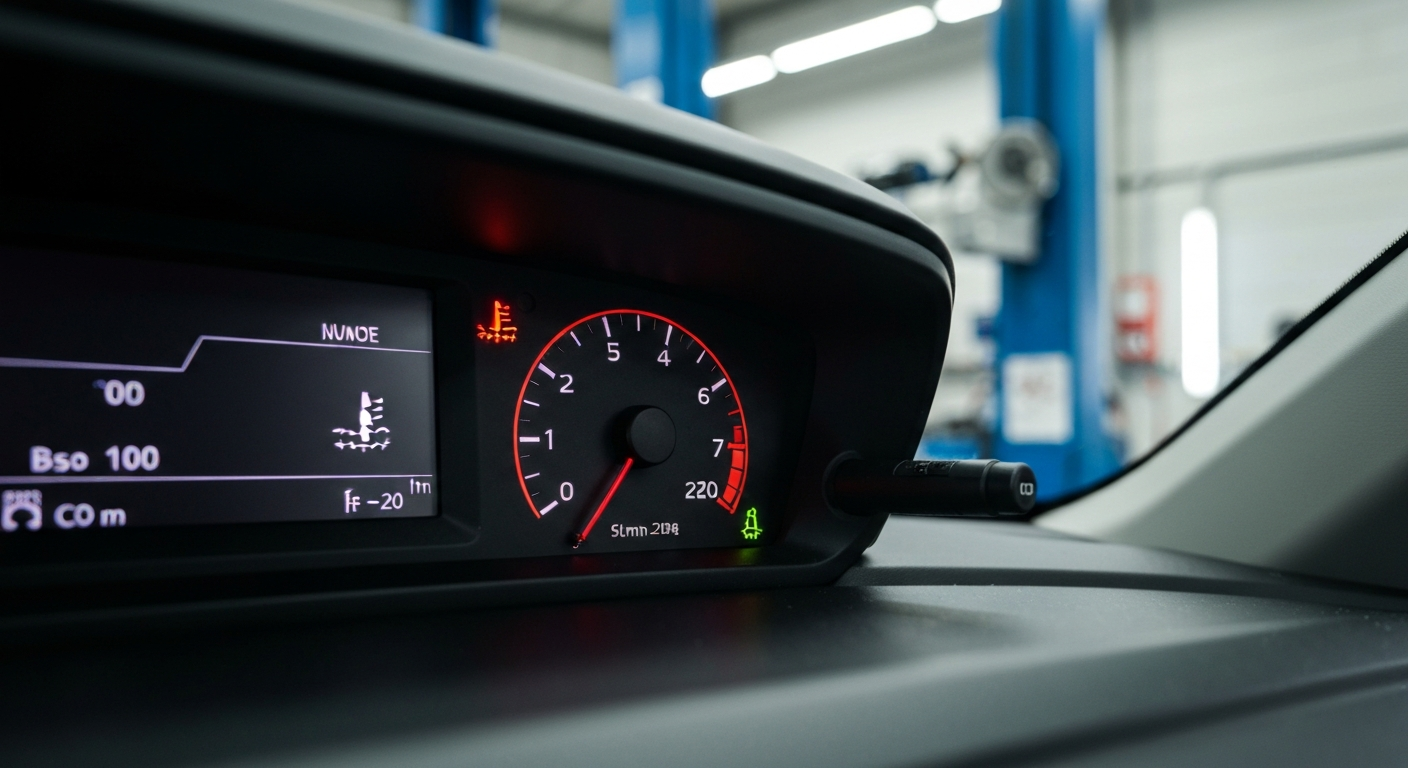
Your car’s dashboard has a temperature gauge. On some vehicles, this looks like a fuel gauge with a needle that moves between “C” (cold) and “H” (hot). If the needle reaches the red zone, your engine is overheating, and you should pull over and turn off the engine immediately. On newer vehicles, you might see a thermostat warning light illuminate.
This gauge is the most reliable first indication of overheating, but note that it only works if your car’s thermostat is functioning properly. If you notice other signs of overheating but your gauge isn’t showing it, you should still pull over and turn off the engine.
2. Burning Smell
As your engine temperature rises, plastic and rubber components begin to melt, emitting a strong burning smell. Additionally, when coolant burns, it creates a sweet odor. If your heating or air conditioning is running, the system will draw these scents directly into the cabin through the intake vent located near your engine. If you notice a burning smell—either burning plastic or sweet-smelling coolant—open your windows immediately to disperse potentially harmful fumes.
3. Thumping or Ticking Sounds From the Engine
You might hear unusual engine sounds when your car overheats. If the thermostat fails and keeps coolant in the engine too long before allowing new coolant in, you’ll hear a thumping noise as boiling coolant mixes with the cooler incoming liquid. Alternatively, if the engine has a lubrication problem caused by overheating, you’ll hear a ticking sound as hot engine components expand and bump against each other.
Any unusual engine noise is a sign to pull over immediately and stop driving.
4. Coolant Pooling Under Your Car
Because your cooling system is a closed, sealed system, you should never see coolant pooling under your car during normal operation. If you notice a puddle beneath your vehicle, there’s a leak somewhere in the cooling system. You can identify coolant by its color—it’s typically yellow, orange, red, green, blue, or violet—and by its distinctive sweet odor.
5. Steam From Under the Hood
If coolant is leaking from your cooling system while the engine is running, it will create steam when it contacts overheated engine components or hot air. Coolant is approximately 50% water, so when heated, it boils and creates visible steam. Steam rising from under your hood is a clear indication of serious overheating and an emergency situation.
6. Reduced Engine Power
As your engine overheats, metal components inside expand, which can cause performance issues such as decreased acceleration. If you find yourself pressing the gas pedal harder than usual to accelerate, or if your car is struggling to maintain speed, an overheated engine may be the culprit. This indicates advanced overheating and requires immediate attention.
7. Extremely Hot Hood
A normally functioning car engine operates at approximately 195 to 220 degrees Fahrenheit. When running, your hood will always be hot to the touch. However, you should generally be able to leave your hand on the hood for at least 10 seconds without discomfort. If you cannot comfortably hold your hand on the hood for 10 seconds, your engine is likely overheating.
What to Do If Your Engine Overheats: Immediate Steps
If you notice signs of overheating, follow these steps to protect your vehicle and yourself:
Step 1: Pull Over Safely
Turn on your hazard lights and slowly make your way to the shoulder or a nearby parking lot. Avoid sudden braking or aggressive maneuvers. Get off the roadway as soon as it’s safe to do so.
Step 2: Turn Off the Engine
As soon as you’re safely pulled over, turn off your engine. This stops the buildup of additional heat and prevents further damage to your vehicle. This is critical—every minute your overheating engine continues to run causes more damage.
Step 3: Exit the Vehicle and Move to Safety
Exit your vehicle with any passengers and move to a safe location away from the roadway. This reduces the risk of being struck by passing traffic and puts distance between you and the hot engine compartment.
Step 4: Call for Professional Help
Contact roadside assistance or a towing service to transport your vehicle to a professional auto repair facility. Do not attempt to add coolant yourself or continue driving—both are dangerous and can cause severe burns or catastrophic engine damage.
At Hyperion Auto Repair, our ASE-certified technicians can provide the professional free multi-point inspection needed to diagnose your overheating issue. We’ll identify the root cause and recommend the appropriate repair.
How to Prevent Your Engine from Overheating
While engine overheating can happen to any driver at any time, there are effective strategies to minimize your risk. Proper maintenance and vigilance are your best defenses:
1. Check Fluid Levels Regularly
Check your coolant, oil, and other fluid levels at least once a month, and always before long road trips. Most auto repair facilities automatically check fluid levels during a standard oil change. Regular fluid level monitoring ensures everything stays within normal operating ranges.
2. Monitor Your Temperature Gauge in Hot Weather
Los Angeles’ exceptionally hot summers make engine temperature management critical. During the hot season, keep an eye on your dashboard’s temperature gauge when driving. If it begins climbing toward the hot zone, reduce your engine’s workload by turning off the air conditioning and heading to a cooler location. This simple action can prevent overheating in heavy traffic.
3. Follow Your Manufacturer’s Maintenance Schedule
Your vehicle’s owner manual specifies when to replace or flush your coolant. Adhering to this schedule prevents rust and debris from accumulating inside your radiator and cooling system. Regular maintenance catches minor issues before they become serious problems. Our coolant flush service follows manufacturer specifications to keep your cooling system in peak condition.
4. Drive Patiently in Stop-and-Go Traffic
Los Angeles is notorious for traffic congestion, and stop-and-go driving puts significant stress on your engine. Extended idling and frequent acceleration and braking generate excess heat. Drive patiently—avoid aggressive acceleration and hard braking whenever possible, especially on hot days. This reduces the thermal stress on your cooling system.
5. Keep Your Air Conditioning in Good Condition
In Los Angeles’ hot climate, many drivers run their AC frequently. However, a malfunctioning AC system forces your engine to work harder, generating additional heat. Proper AC system maintenance and repair ensures your air conditioning runs efficiently, reducing the strain on your engine and cooling system.
6. Get Professional Inspections
Most importantly, schedule regular professional inspections to catch cooling system problems before they become major issues. Hyperion Auto Repair offers free multi-point vehicle inspections that specifically examine your cooling system for leaks, worn components, and other potential problems. Early detection of cooling system issues prevents expensive repairs and dangerous overheating situations.
Why Professional Diagnosis Matters
ASE-Certified Technicians Know Cooling Systems
Properly diagnosing cooling system problems requires specialized knowledge and equipment. ASE-certified technicians at Hyperion Auto Repair use advanced diagnostic tools including:
- Thermal imaging cameras to identify hot spots in the cooling system
- Pressure testing equipment to detect leaks in hoses and connections
- Thermostat testing tools to verify proper temperature control
- Visual inspections for cracked radiators, worn belts, and damaged hoses
With proper professional diagnosis, you’ll know exactly what’s causing the overheating and what repairs are needed.
Common Mistakes to Avoid
Never make these common mistakes when dealing with an overheating engine:
- Keep driving on an overheating engine: This causes permanent damage to the engine block, cylinder head, and gaskets
- Ignore early warning signs: A small problem today becomes an expensive repair tomorrow
- Add cold water to a hot radiator: The thermal shock can crack the engine block, making repairs exponentially more expensive
- Attempt major repairs without proper tools: Professional equipment and ASE certification ensure repairs are done correctly
Cost of Professional Repair vs. Engine Damage
Professional diagnosis and repair of cooling system problems is significantly less expensive than repairing heat damage to your entire engine. A coolant flush might cost $100-$150. A thermostat replacement might cost $200-$400. However, ignoring overheating and allowing your engine to suffer heat damage can result in repair costs exceeding $2,000 to $5,000 or more.
That’s why Hyperion Auto Repair offers free multi-point inspections to our customers. Catching cooling system issues early saves you money and prevents dangerous situations.
Contact Hyperion Auto Repair for Professional Cooling System Service
Your engine’s cooling system is too important to ignore. If you’re experiencing overheating issues, notice warning signs, or simply want to ensure your cooling system is operating at peak efficiency, contact Hyperion Auto Repair today.
Our ASE-certified technicians have been serving Los Angeles drivers since 1985. We’re family-owned, we stand behind all our work with a warranty on repairs, and we’re committed to keeping your vehicle safe and reliable.
Contact us today:
- Phone: (323) 667-3180
- Location: 1845 Hyperion Avenue, Los Angeles, CA 90027
- Service: Free multi-point vehicle inspection to diagnose your cooling system
Don’t let engine overheating turn into an expensive emergency. Call Hyperion Auto Repair for professional diagnosis, repair, and prevention strategies that keep your car running cool in Los Angeles’ hot climate.